Shop Catagories
00

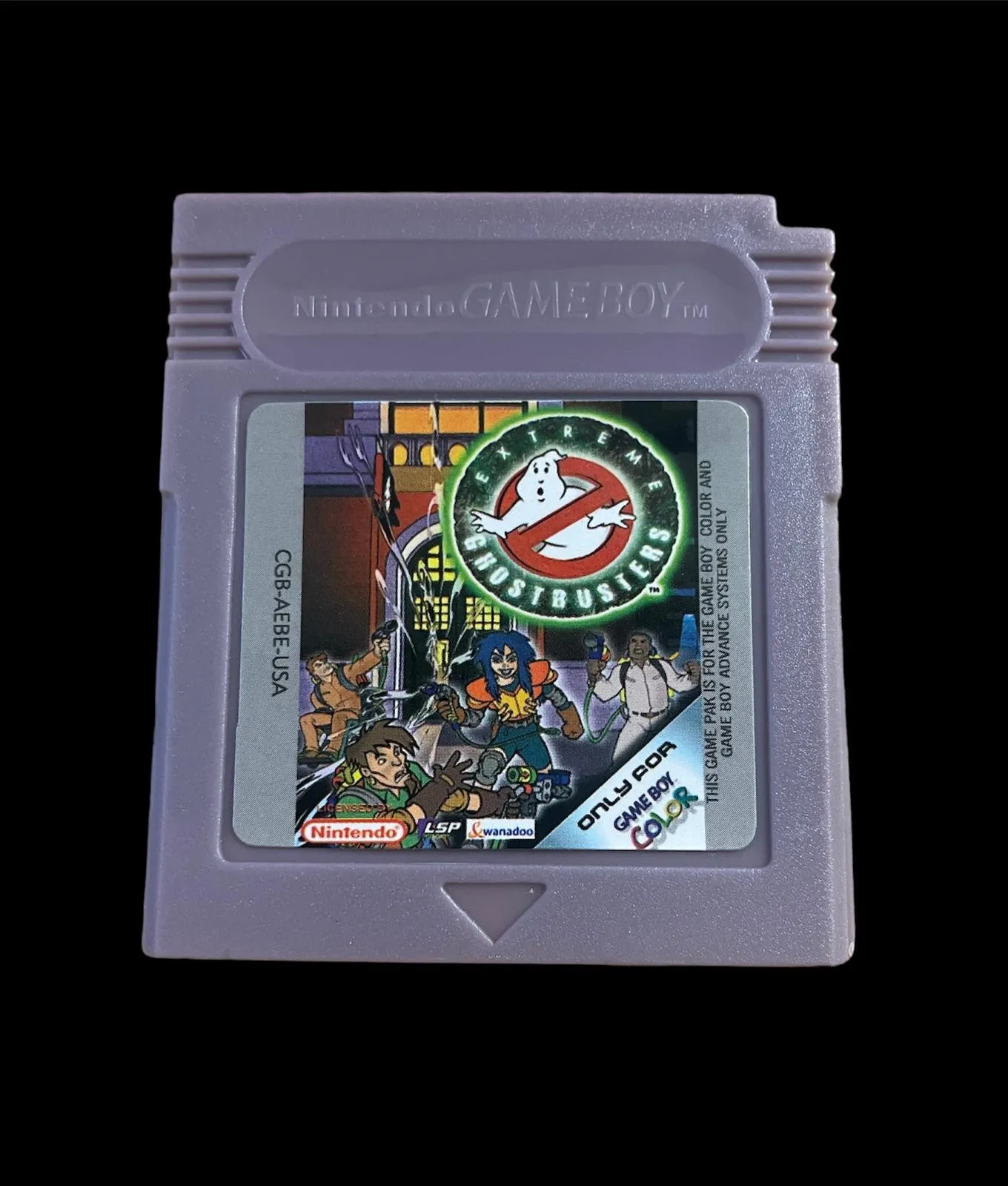
Extreme Ghostbusters for the Game Boy Color arrived in 2001 from developer Magic Pockets, based on the animated television series of the same name that served as a continuation of the classic Ghostbusters franchise. The cartoon ran from 1997 to 1998 and followed a new generation of Ghostbusters — Eduardo, Kylie, Roland and Garrett — trained by the original Egon Spengler, and the game translates that premise into a portable action-adventure romp. The story puts you in the shoes of Eduardo and Kylie as they race to rescue their kidnapped teammates Roland and Garrett, all while uncovering the sinister scheme of the half-human, half-demon Count Mercharior who seeks to dominate the world using newly-freed ectoplasmic forces.
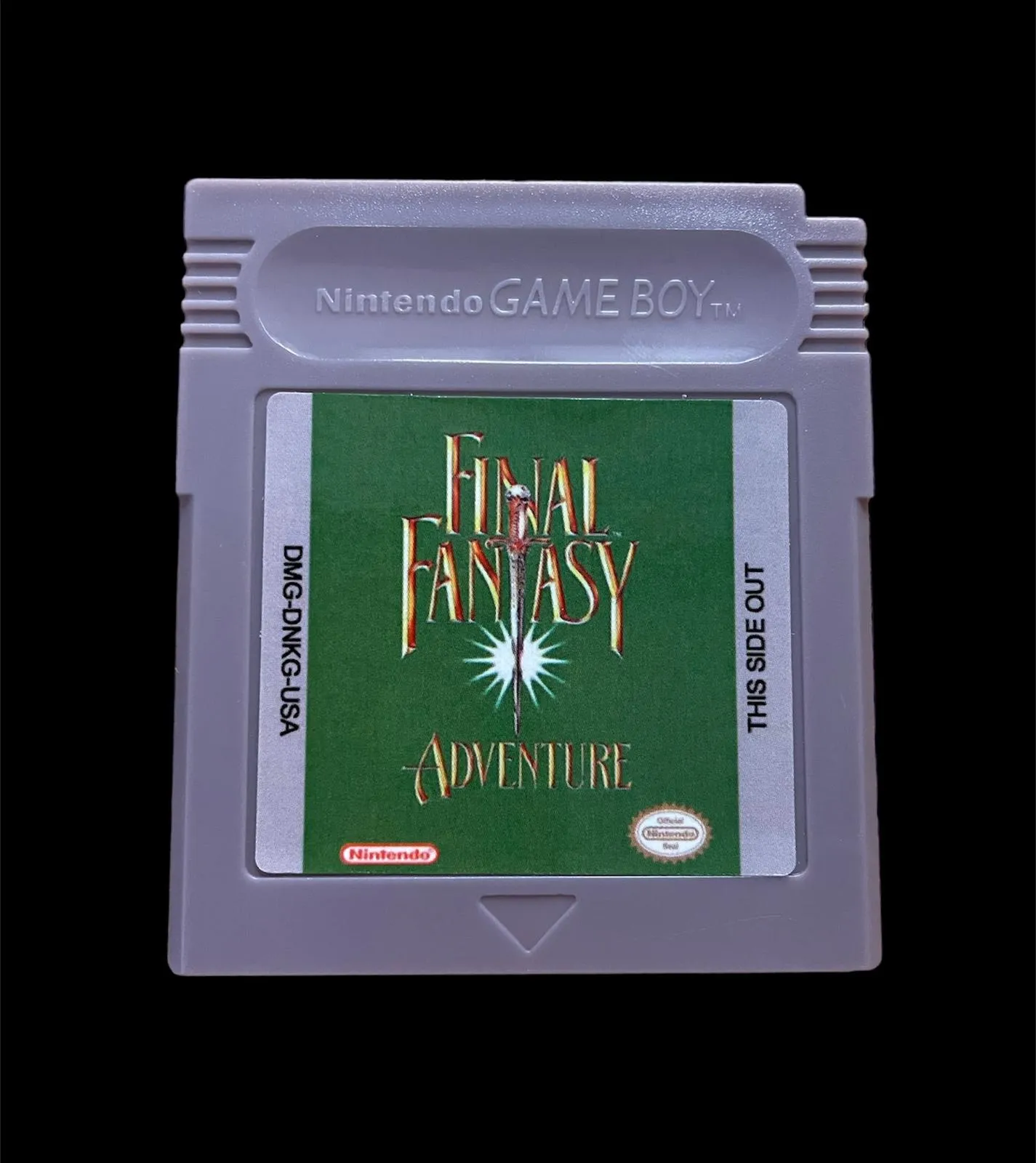
Final Fantasy Adventure, released for the Game Boy in 1991, occupies a genuinely extraordinary place in gaming history — it is simultaneously a Final Fantasy spin-off, the first entry in the Mana series and one of the finest action role-playing games ever produced for a handheld system. Developed by Square under director Koichi Ishii, it was released in Japan as Seiken Densetsu: Final Fantasy Gaiden and in Europe as Mystic Quest. The game grew out of a cancelled project called Gemma Knights and was shaped partly by the legacy of an even earlier cancelled Seiken Densetsu concept from 1987. Square released it alongside familiar Final Fantasy touchstones — chocobos, magic materia-like items and the Final Fantasy logo — but the gameplay itself was a revelation: real-time action combat reminiscent of The Legend of Zelda, played from a top-down perspective with RPG stat progression layered on top.
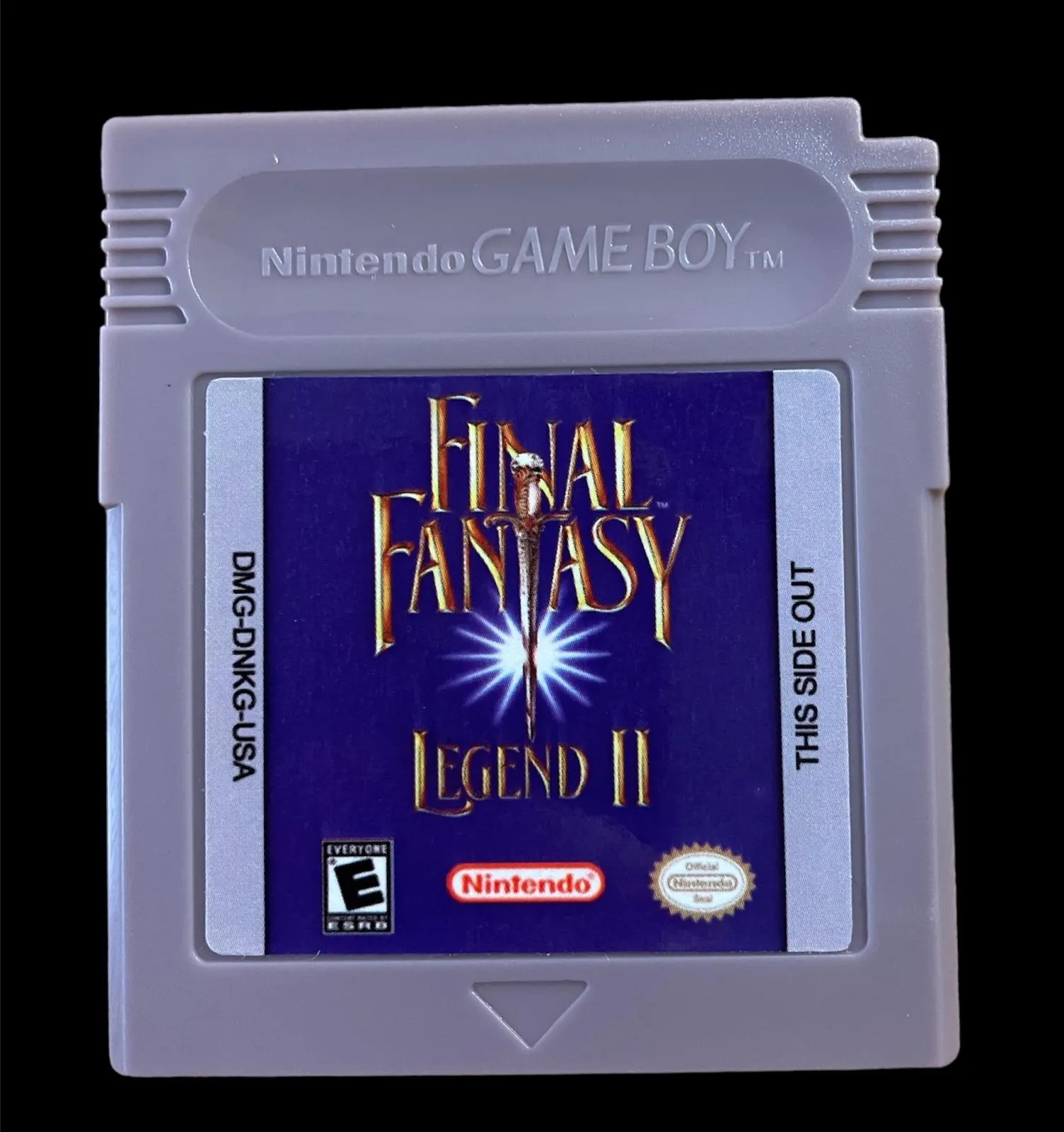
Final Fantasy Legend II — known in Japan as SaGa 2: Hihou Densetsu — is a role-playing game developed and published by Square for the Game Boy, released in Japan in 1990 and in North America in 1991. It is the second entry in Akitoshi Kawazu's SaGa series, though Square rebranded it under the Final Fantasy name in the West to capitalise on that franchise's growing recognition. The game follows a young hero searching for their father across a cosmology of interconnected worlds stacked like pillars, each borrowing from different mythological traditions — Sumerian, Norse, Egyptian, and Japanese among them. Four character types are available — Human, Mutant, Robot, and Monster — each with radically different stat progression systems that reward experimentation. Humans grow by consuming strength-boosting items, Mutants gain and sometimes lose abilities randomly through battle, Robots equip powerful items that degrade with use, and Monsters can transform by eating enemy flesh.
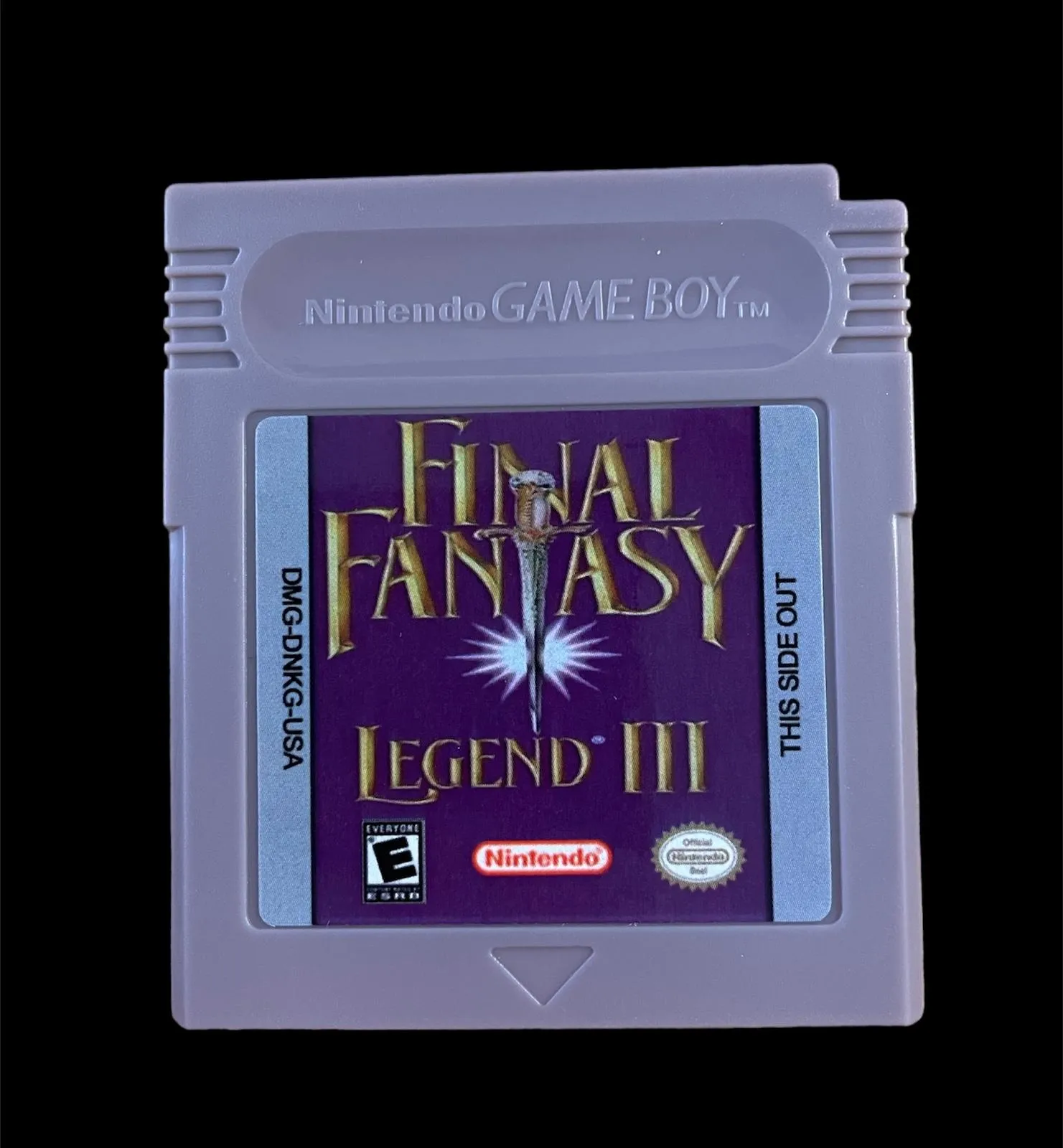
Final Fantasy Legend 3, known in Japan as SaGa 3: Jikuu no Hasha (roughly translated as Lord of Time and Space), arrived on the Game Boy in Japan in 1991 and in North America in 1993. It was the third and final entry in Square's SaGa trilogy for the Game Boy and marked a significant evolution for the series — one that many fans consider the most accessible and polished of the three. While the earlier games were deliberately abstract and experimental, Legend 3 brings a stronger narrative focus and a more streamlined approach to combat and character progression that will feel welcoming even to players who bounced off its predecessors.
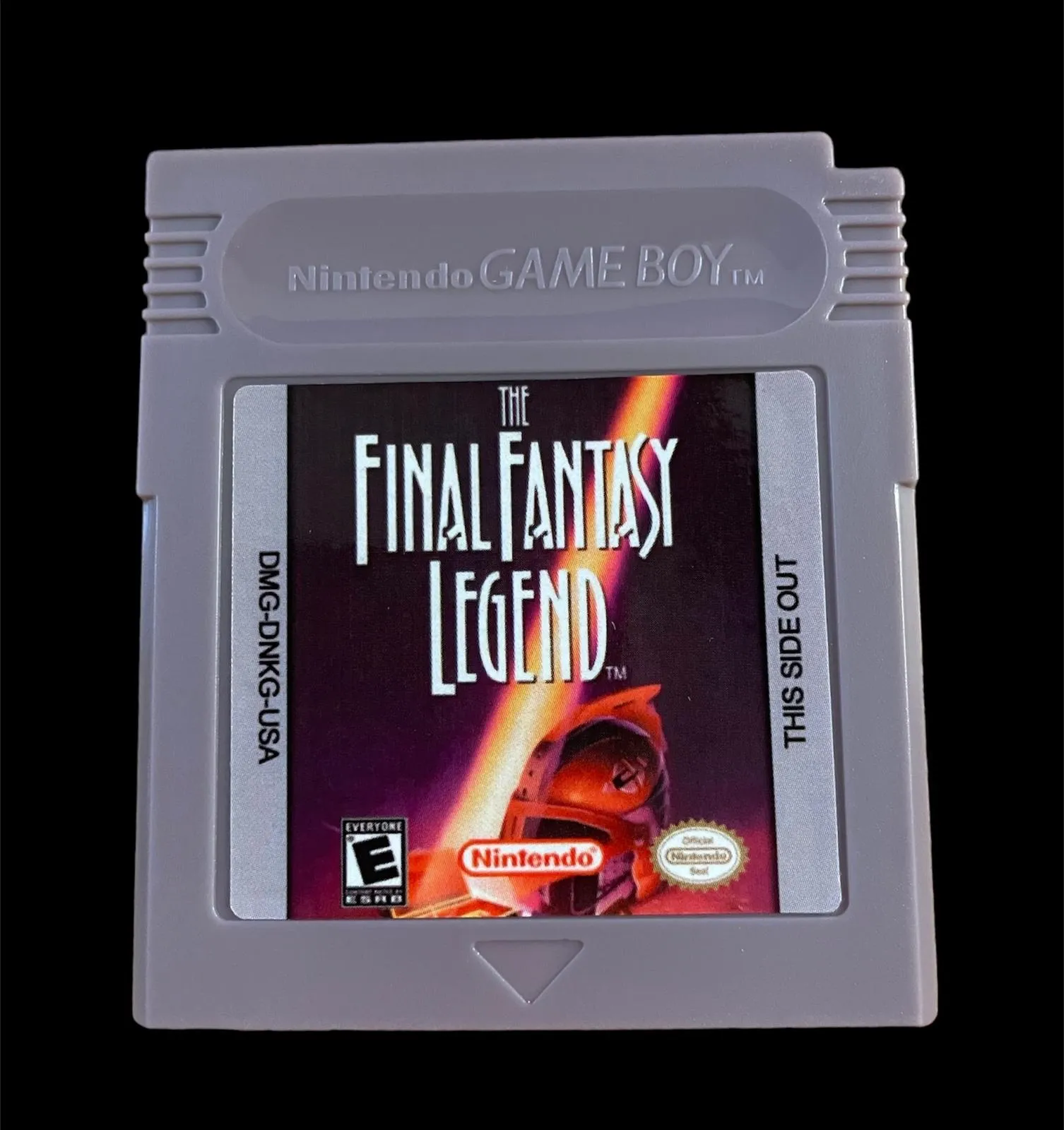
The Final Fantasy Legend arrived on the Game Boy in December 1989 in Japan and September 1990 in North America, and it carries a fascinating identity that surprises many players. The game was originally developed by Square under the Japanese title Makai Toushi SaGa — meaning Demon Tower Saga — making it the first entry in the long-running SaGa series. It was relaunched under the Final Fantasy branding for Western audiences to capitalise on Square's growing reputation, and while it shares DNA with the Final Fantasy games, it is very much its own beast. Famitsu awarded it a place in their Platinum Hall of Fame at the time of its release, one of only seven games up to 1989 to achieve that distinction.
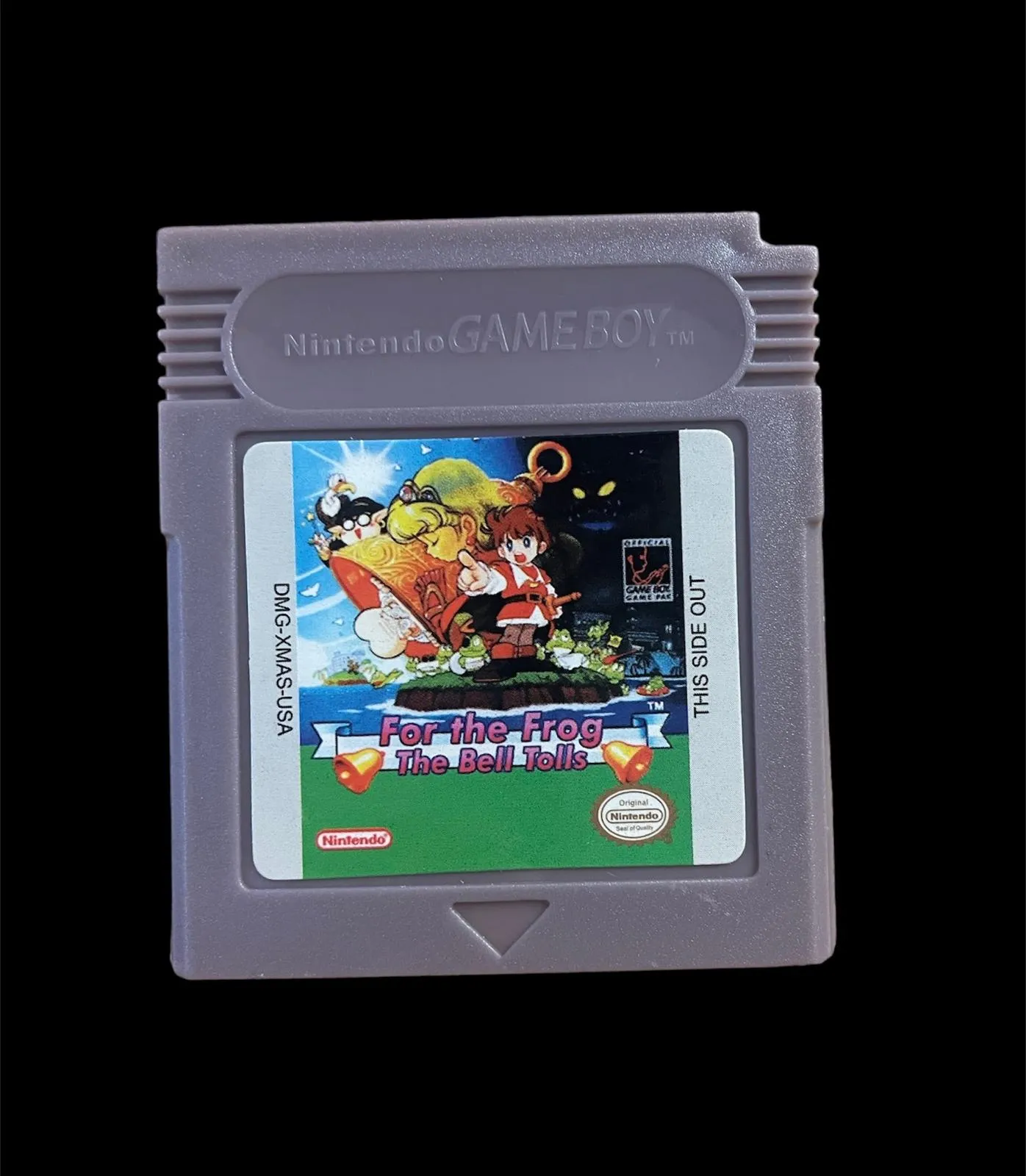
For the Frog the Bell Tolls, known in Japan as Kaeru no Tame ni Kane wa Naru, is a 1992 Game Boy action RPG developed by Nintendo and Intelligent Systems that holds a remarkable place in gaming history. Released exclusively in Japan for the original Game Boy, the game uses the same engine, sound effects and graphical assets that would go on to power The Legend of Zelda: Link's Awakening — in fact it predates Link's Awakening and represents an early prototype of the design language that defined Game Boy action adventures of the era. The story is a delightfully whimsical fairy tale following the Prince of Sablé, who sets off to rescue Princess Tiramisu of the Mille-Feuille Kingdom, racing against his rival Prince Richard of Custard Kingdom to win her hand.
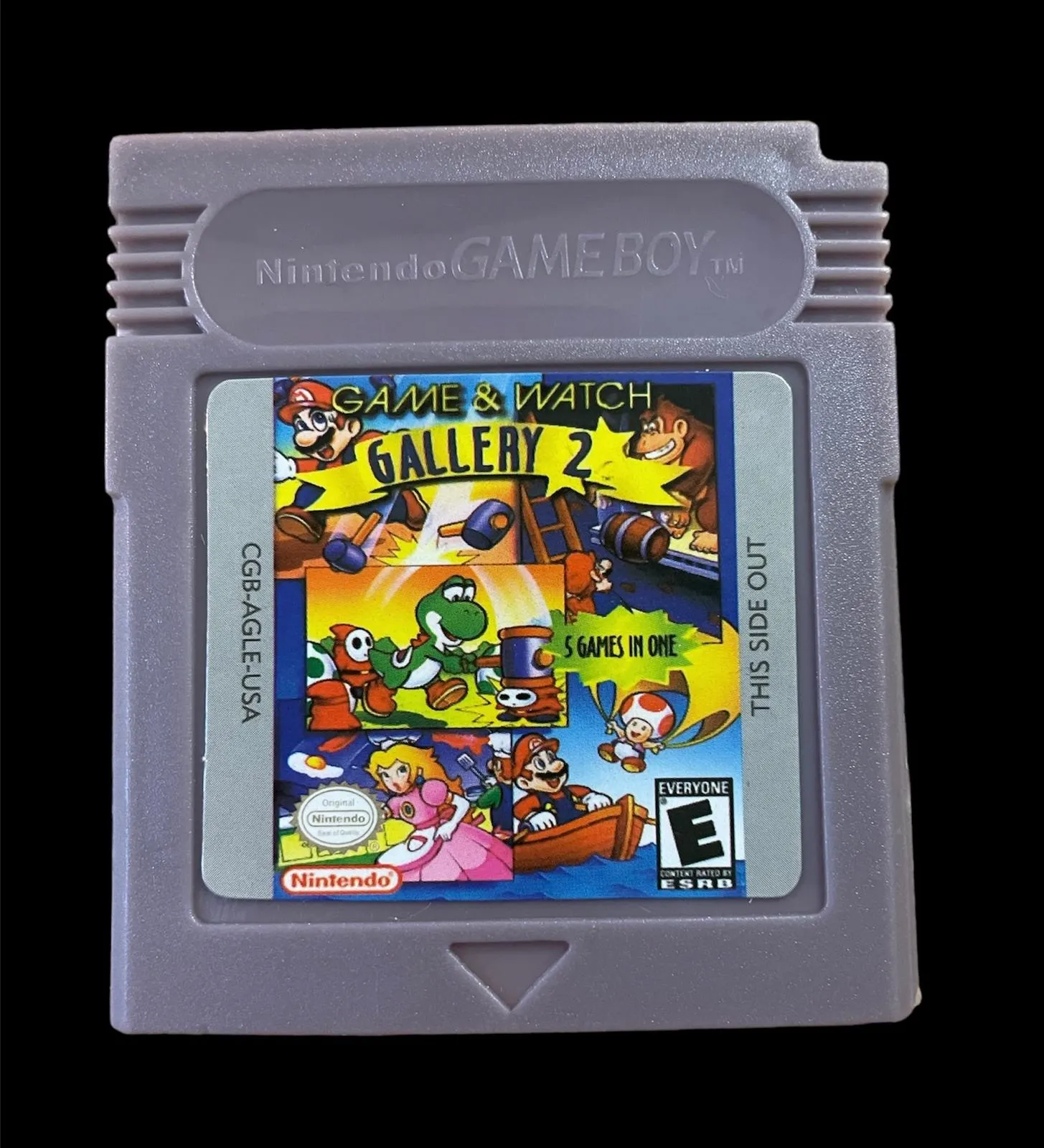
Game & Watch Gallery 2 is a wonderful compilation developed by Tose and published by Nintendo, first released in Japan in 1997 as a monochrome Game Boy title before arriving in North America and Europe in November 1998 as a fully colourised Game Boy Color release. It is technically the third entry in the Game & Watch Gallery series, though numbered as the second for most markets. The compilation celebrates Nintendo's own pre-Game Boy history: the Game & Watch devices of the early 1980s were the company's first steps into handheld gaming, single-game LCD handhelds that frequently doubled as a clock and alarm, and revisiting them via Game Boy was Nintendo's way of honouring the roots of portable play.
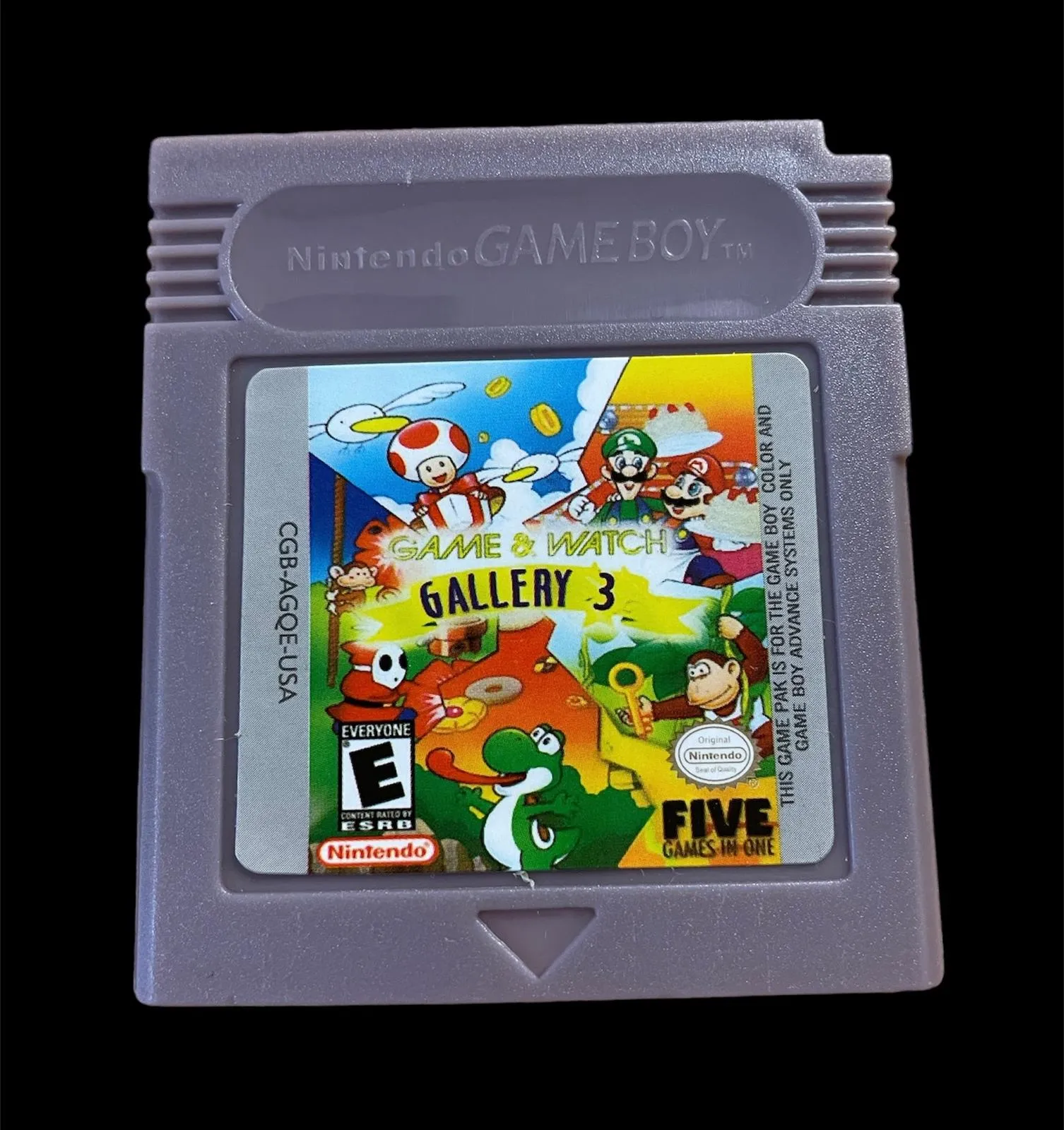
Game & Watch Gallery 3 is a celebrated compilation developed by Tose and published by Nintendo for the Game Boy Color in 1999, bringing five beloved titles from Nintendo's iconic Game & Watch line of LCD handhelds back to life in vibrant colour. The original Game & Watch devices were released between 1980 and 1991 and were Nintendo's first foray into handheld gaming — small, calculator-sized single-game devices that combined a simple game with a digital clock and alarm. They laid the foundation for everything that followed, including the Game Boy itself, and the Gallery series celebrated that legacy by presenting both faithful Classic mode recreations and imaginatively updated Modern mode versions featuring Mario franchise characters.
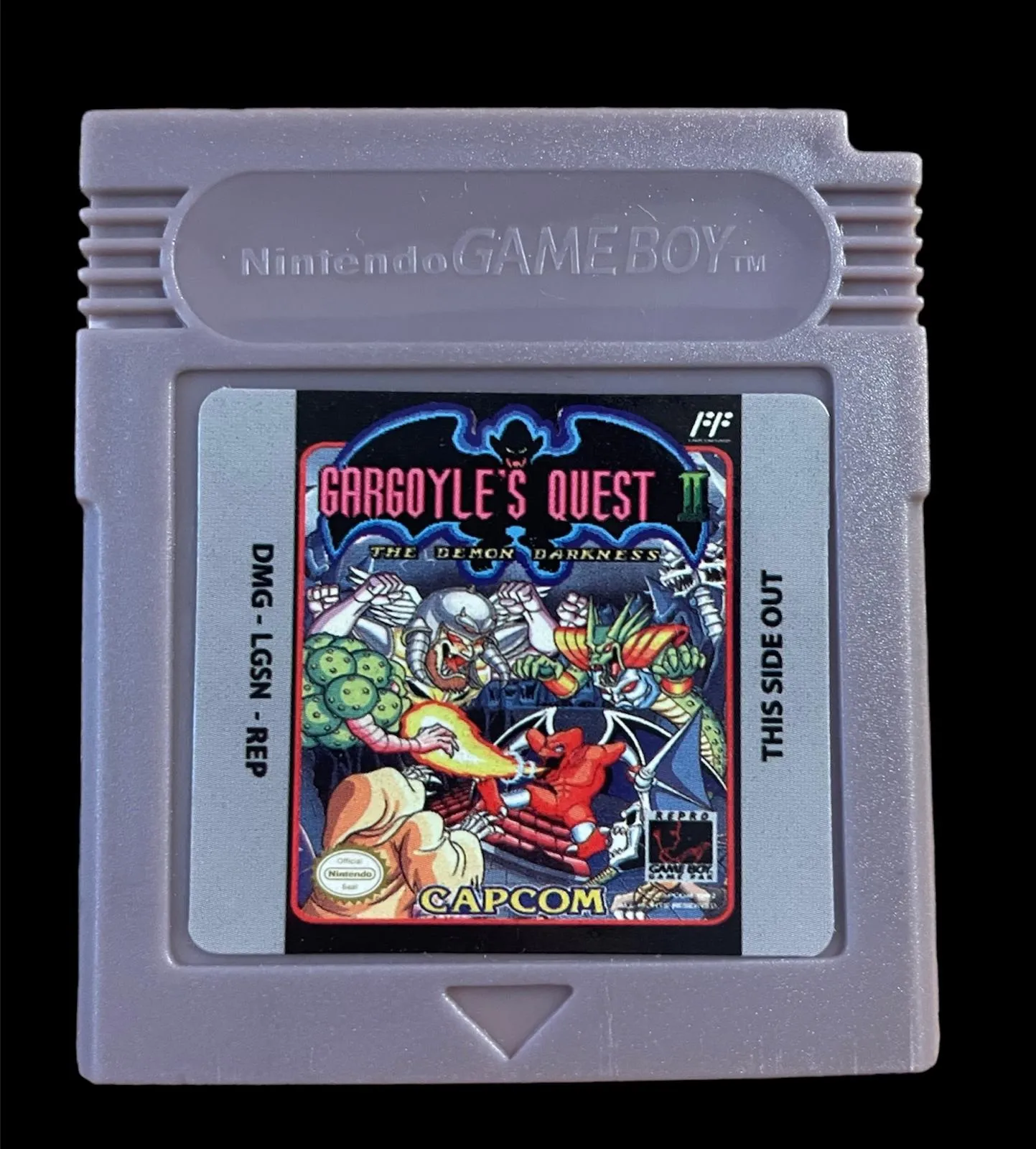
Gargoyle's Quest II: The Demon Darkness on the Game Boy is a conversion of Capcom's 1992 NES action-adventure, and it sits within one of the most inventive spin-off series of the 8-bit era. The Gargoyle's Quest games star Firebrand — the Red Arremer demon who appeared as a persistent enemy in Ghosts 'n Goblins — and recast him as a hero in his own right. This second entry acts as a prequel to the original 1990 Game Boy game, depicting Firebrand's origins as a warrior of the Demon Realm in a story of betrayal, ancient evil and the struggle to restore peace to the underworld. The Game Boy version was released in Japan and carries some unique additions compared to the NES release, including extra stages and new powers not found in the console version.
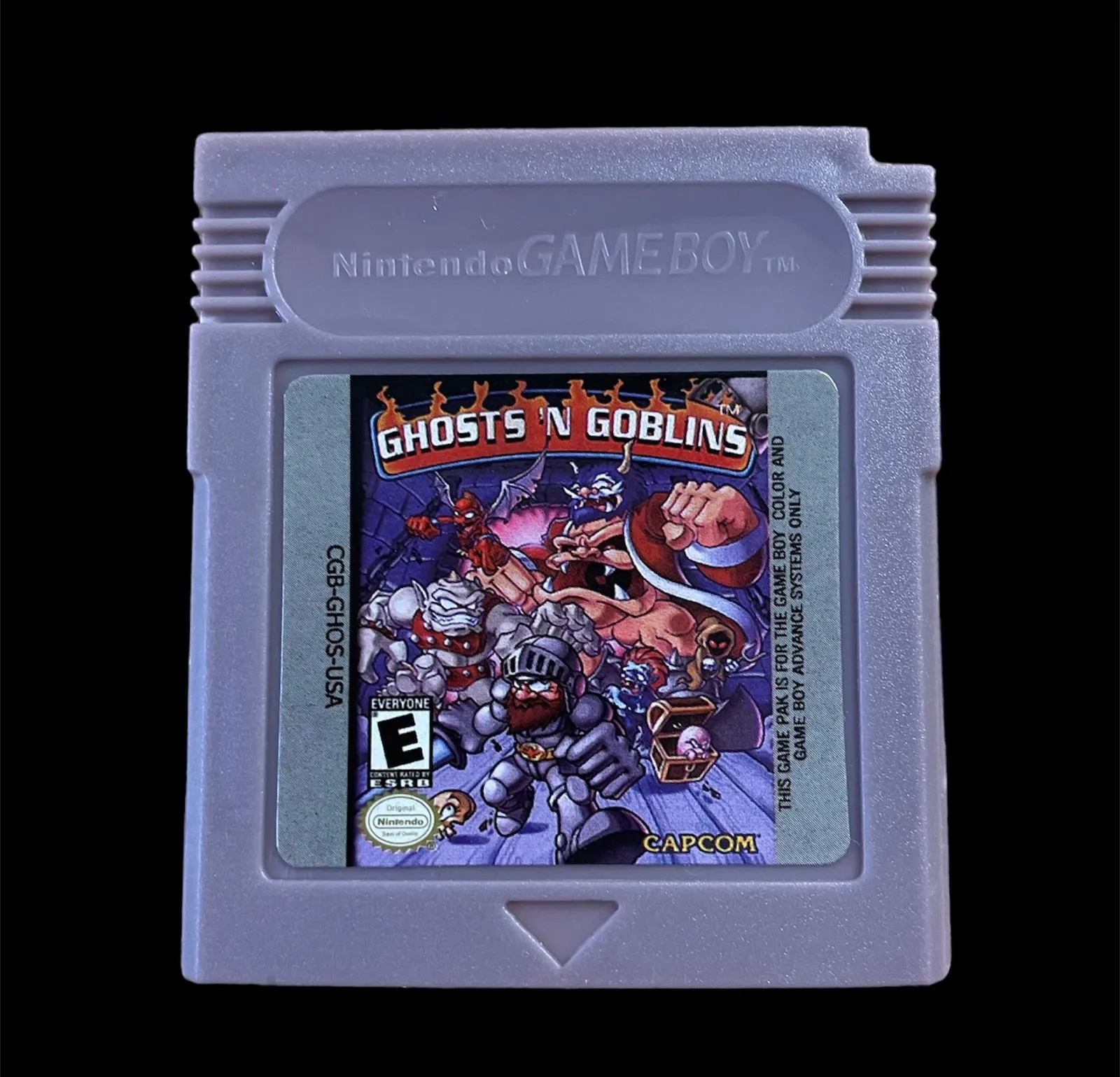
Ghosts 'n Goblins is one of gaming's most legendary and notoriously challenging franchises, created by Tokuro Fujiwara and first released by Capcom as an arcade game in 1985. The Game Boy Color port, released in 2000, brings the classic NES/Famicom version of the game to the handheld with colour graphics and password save functionality. You play as Sir Arthur, a knight on a desperate mission to rescue Princess Prin-Prin from the demon king Astaroth. Armed with lances, daggers, and axes hurled at the relentless undead hordes that swarm each stage, Arthur must survive graveyards, haunted forests, and castle dungeons populated with zombies, ogres, dragons, and Red Arremers. The game's legendary difficulty — Arthur can only survive two hits before losing a life — contributed enormously to its iconic status and helped define the concept of a challenging classic.
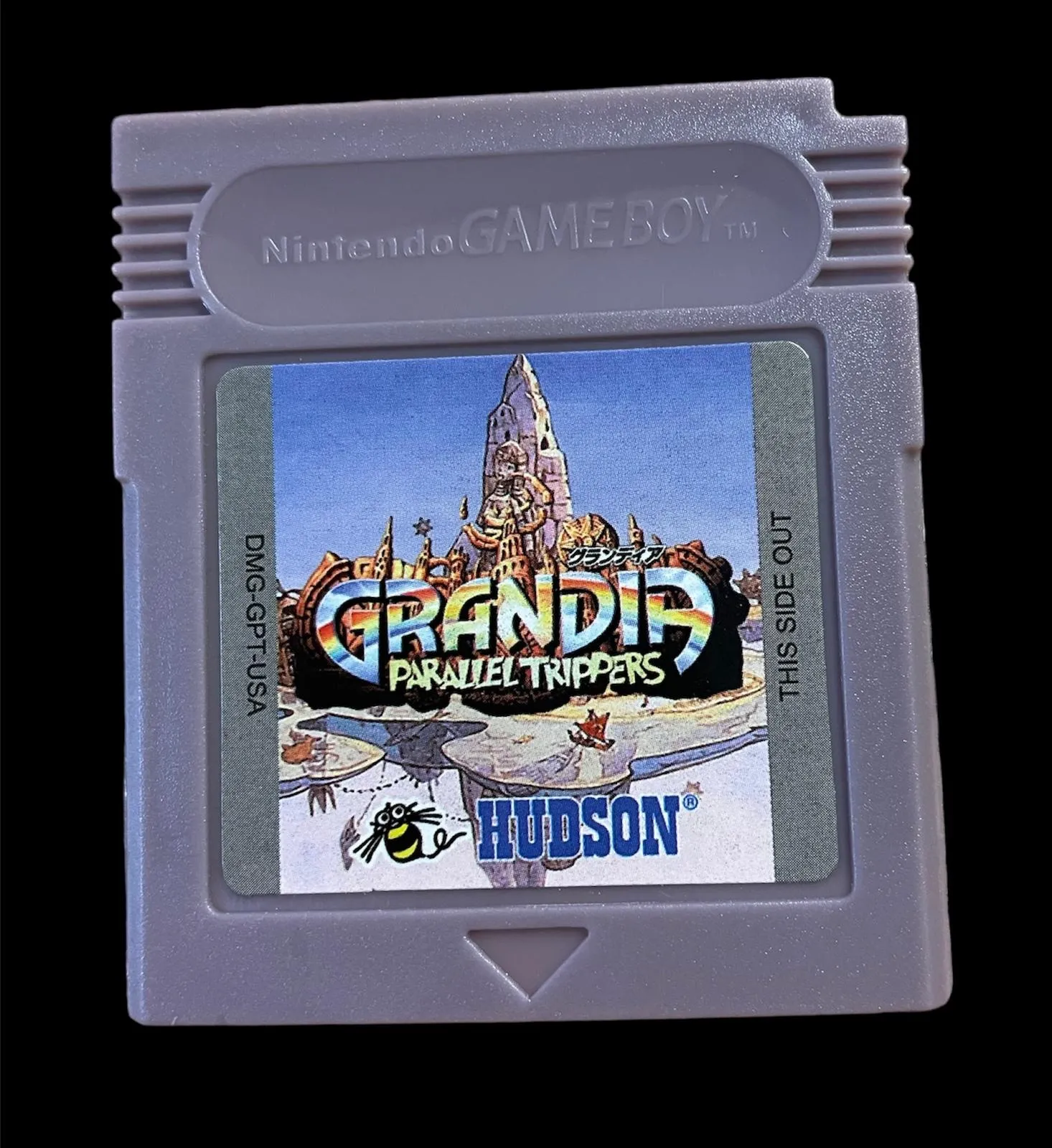
Grandia: Parallel Trippers is a Game Boy Color RPG developed by Game Arts and published by Hudson Soft, released exclusively in Japan in December 2000. It is a spin-off of the beloved Grandia role-playing game that had charmed players on the Sega Saturn, PlayStation and Nintendo 64, and it serves as the first and only handheld entry in the Grandia series. The game takes a creative alternate-world approach to its story: Japanese students Yuuhi, Mizuki and Shirou are mysteriously transported into a parallel version of the Grandia world, where they encounter familiar faces from the original game. Yuuhi must team up with characters including Feena, Liete and Sue to find a way back home, a mission that inevitably grows into a quest to save this parallel world entirely.
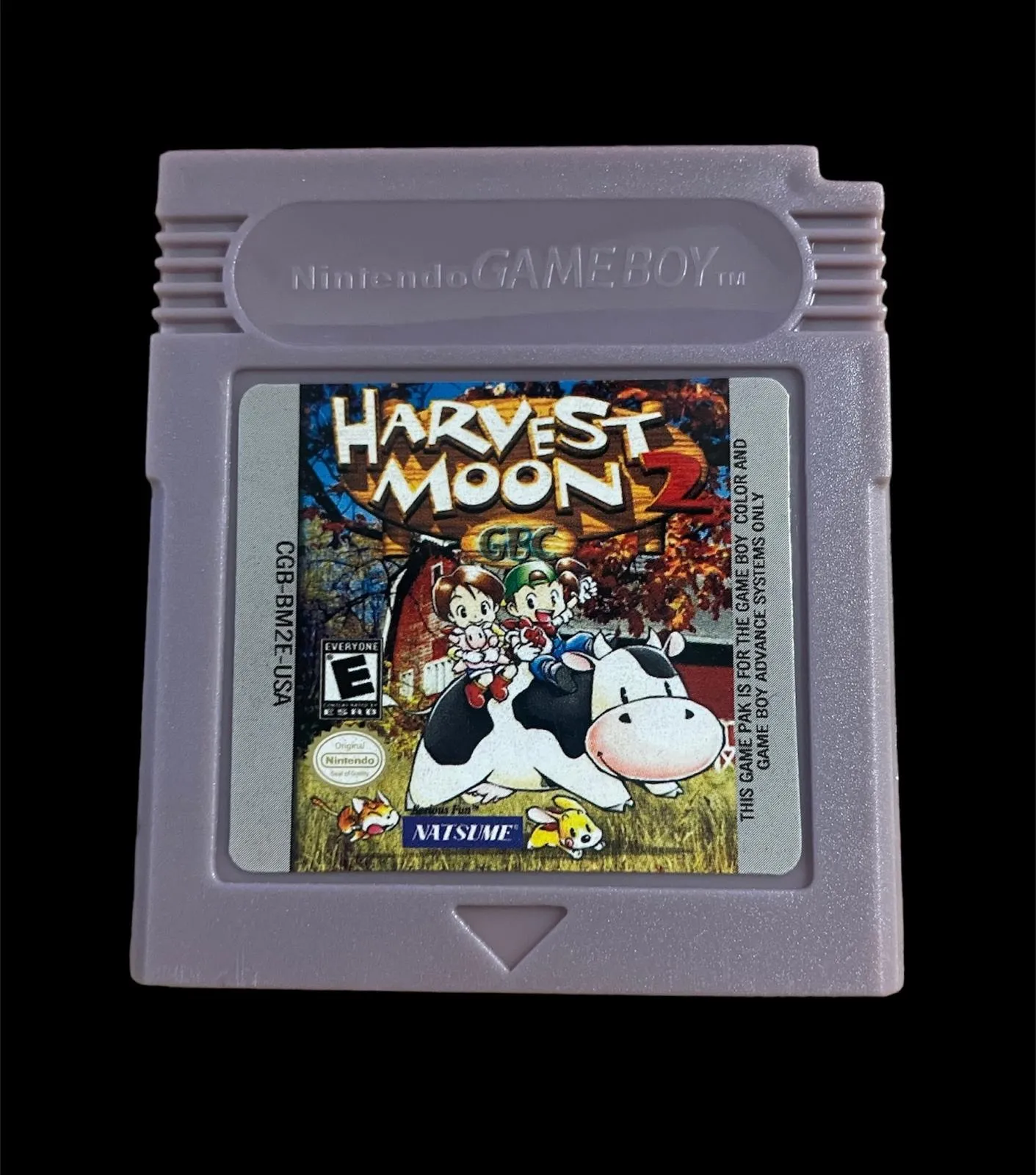
Harvest Moon 2 GBC is the second entry in the beloved farming simulation series to grace the Game Boy Color, originally released in Japan in 1999 under the title Bokujo Monogatari GB2, with North American players getting their hands on it in November 2000. The premise is charmingly high-stakes for a farming game: the mayor of a struggling village has decided to convert the town's old abandoned farmland into an amusement park unless someone steps up to make it profitable. You play as that brave volunteer farmer, given three years to prove that the land can thrive.