Shop Catagories
00

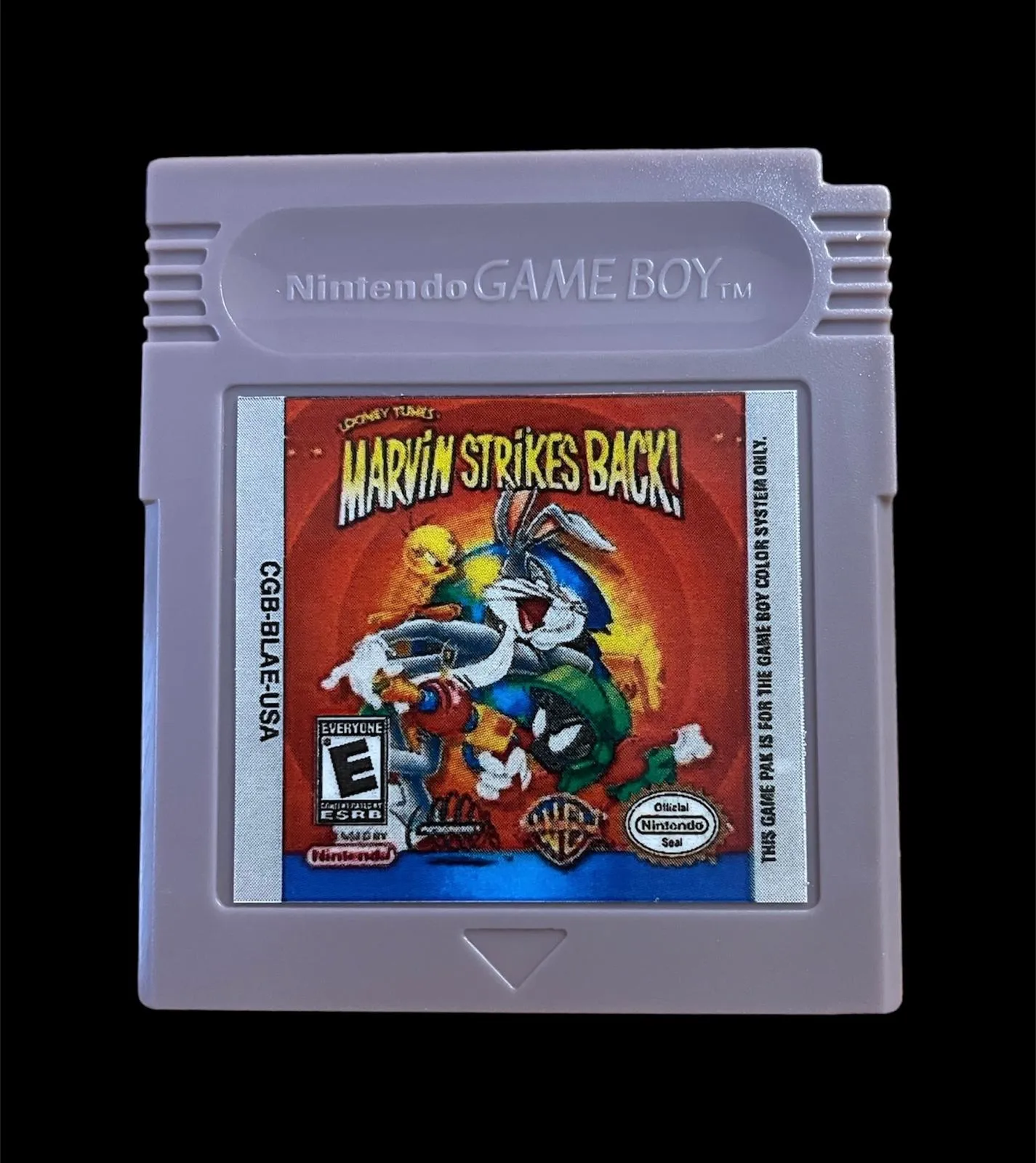
Looney Tunes: Marvin Strikes Back! (known as Looney Tunes Collector: Martian Revenge in Europe) is a Game Boy Color adventure game published by Infogrames in 2000. The story sees Marvin the Martian fuming after the Looney Tunes gang mocked his failed attempt to destroy Earth — so he teams up with his loyal lieutenant K-9 and launches a counter-offensive. It serves as a sequel to Looney Tunes Collector: Alert! and carries over the same collect-and-trade gameplay that made its predecessor popular with fans of the franchise.
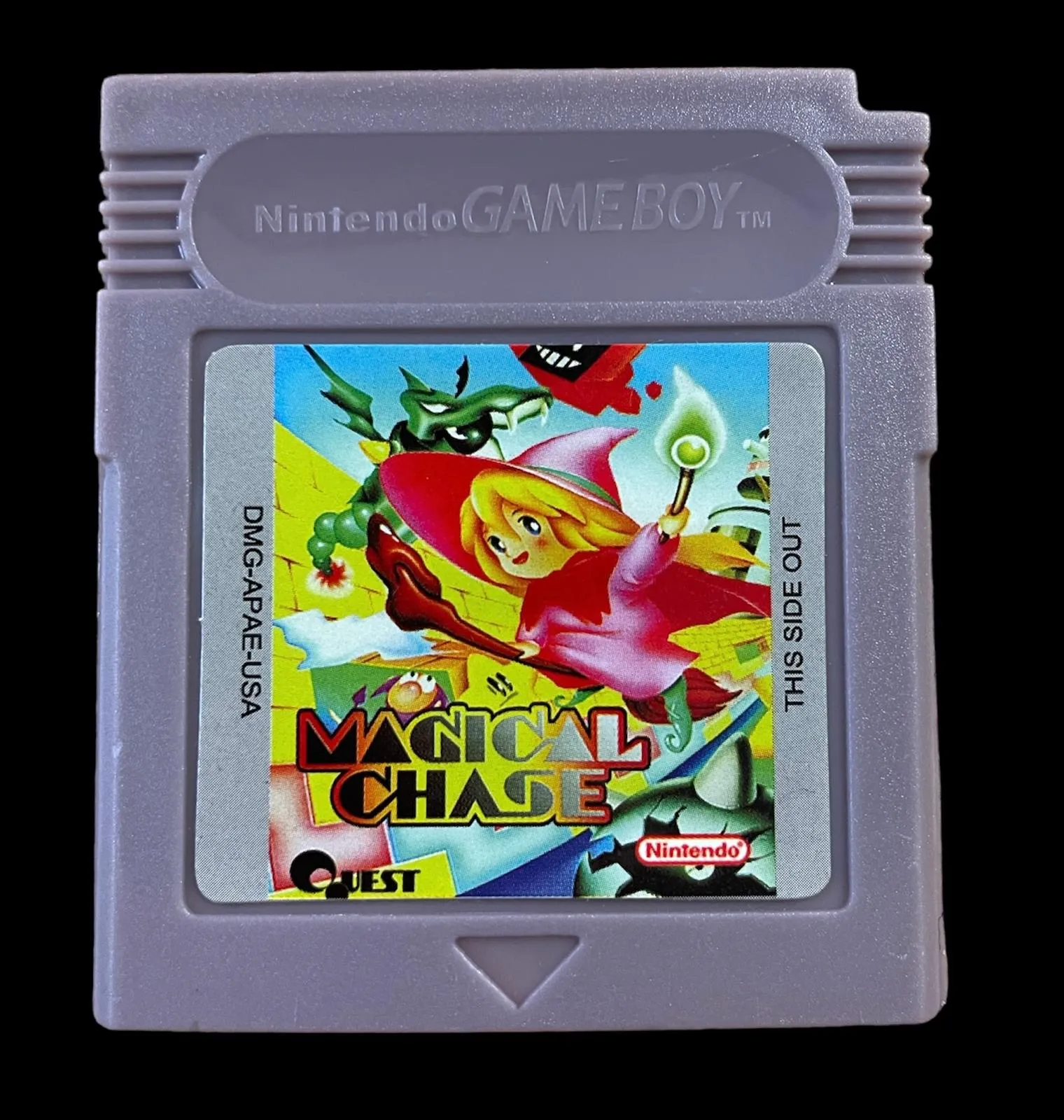
Magical Chase is a horizontal-scrolling shoot-em-up developed by Quest Corporation and originally released for the TurboGrafx-16 in Japan in 1991. The heroine is Ripple, a mischievous apprentice witch who accidentally releases demons from a forbidden book and must pursue them across seven stages on her broomstick, accompanied by two star-shaped companions called Topsy and Turvy that orbit her and provide additional firepower. Players collect crystals dropped by enemies and spend them at floating shops run by a pumpkin vendor to buy weapon upgrades — including a rapid-fire Balkan, 3-Way spread shots, homing attacks, and the devastating x4 beam — as well as health restoratives. The star maidens can be repositioned around Ripple to create shields or focus fire, adding a tactical dimension to the shooting. Quest's team notably went on to create Ogre Battle, Tactics Ogre, and Final Fantasy Tactics, giving Magical Chase an intriguing place in gaming history.
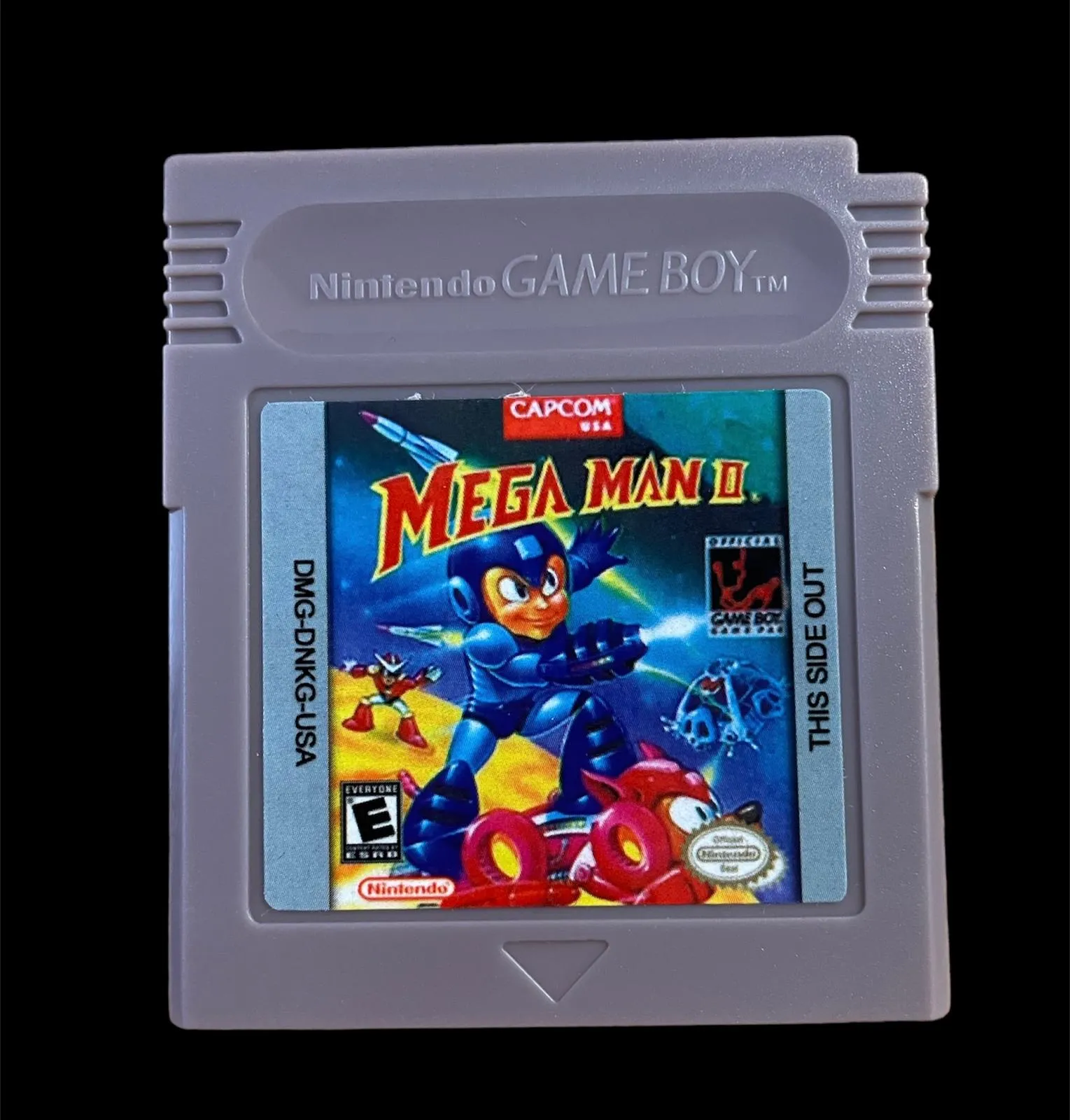
Mega Man II for the Game Boy, published by Capcom in 1991, is the second instalment in the handheld Rockman World series and a fascinating entry in the Blue Bomber's portable adventures. The game's storyline sends Mega Man after the eternally scheming Dr. Wily, who has stolen an experimental time machine — the Time Skimmer — from the world's Chronos Institute and used it to travel decades into the future. Following Wily through time, Mega Man faces Robot Masters drawn from both Mega Man 2 and Mega Man 3 on the NES, blending enemies from two classic 8-bit games into a single portable quest.
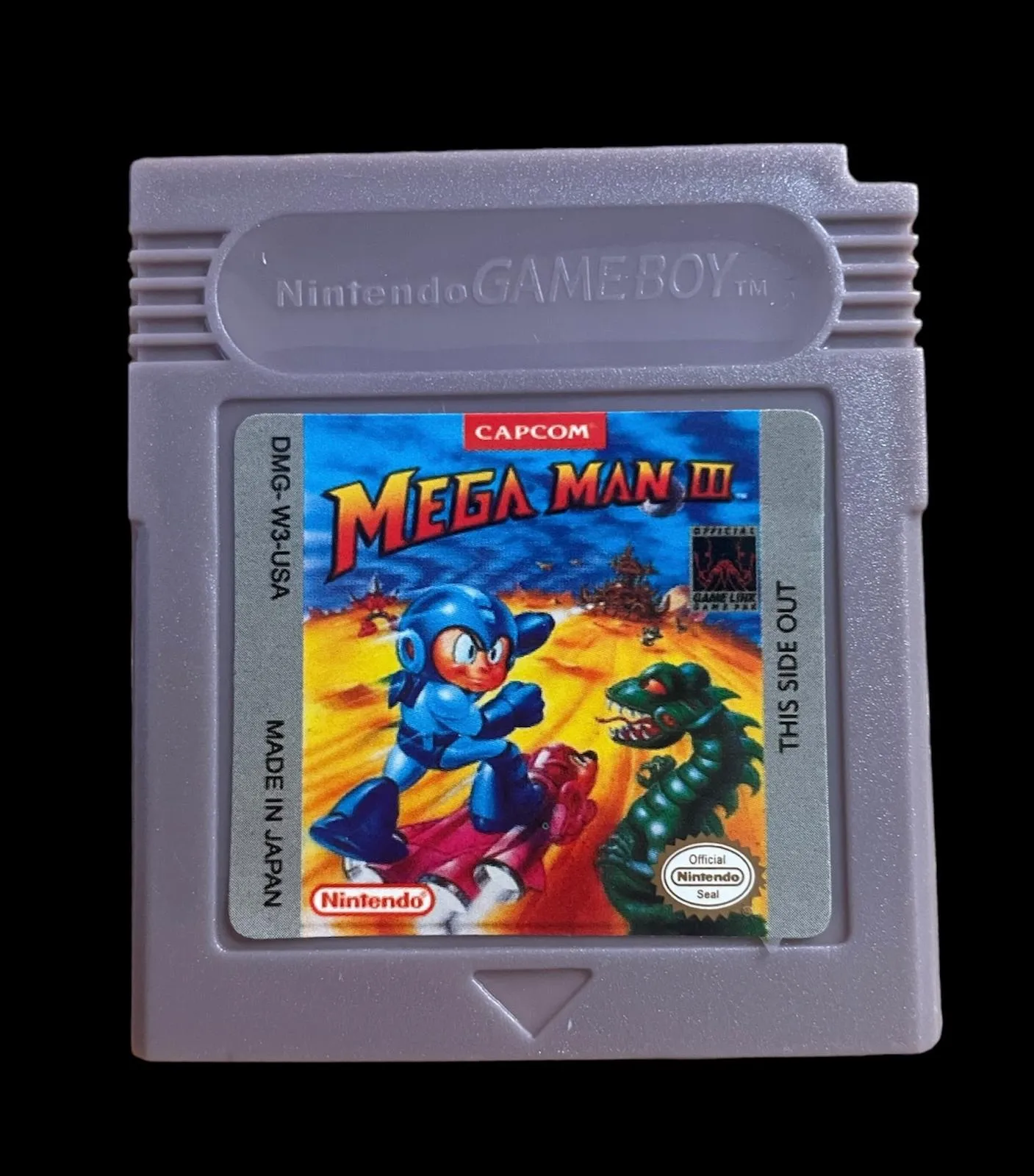
Mega Man III for the Game Boy is Capcom's third portable instalment in the series, developed by Minakuchi Engineering and released in 1992. Like its Game Boy predecessors, it takes bosses and stage design elements from two NES Mega Man games — in this case Mega Man 3 and Mega Man 4 — and reworks them into a standalone handheld adventure that stands confidently on its own merits. The blue bomber faces a new roster of eight Robot Masters before pursuing Dr. Wily to his fortress, and the game introduces the Mega Man Killer Punk, a powerful robot specifically engineered to destroy Mega Man, as a fortress mini-boss encounter.
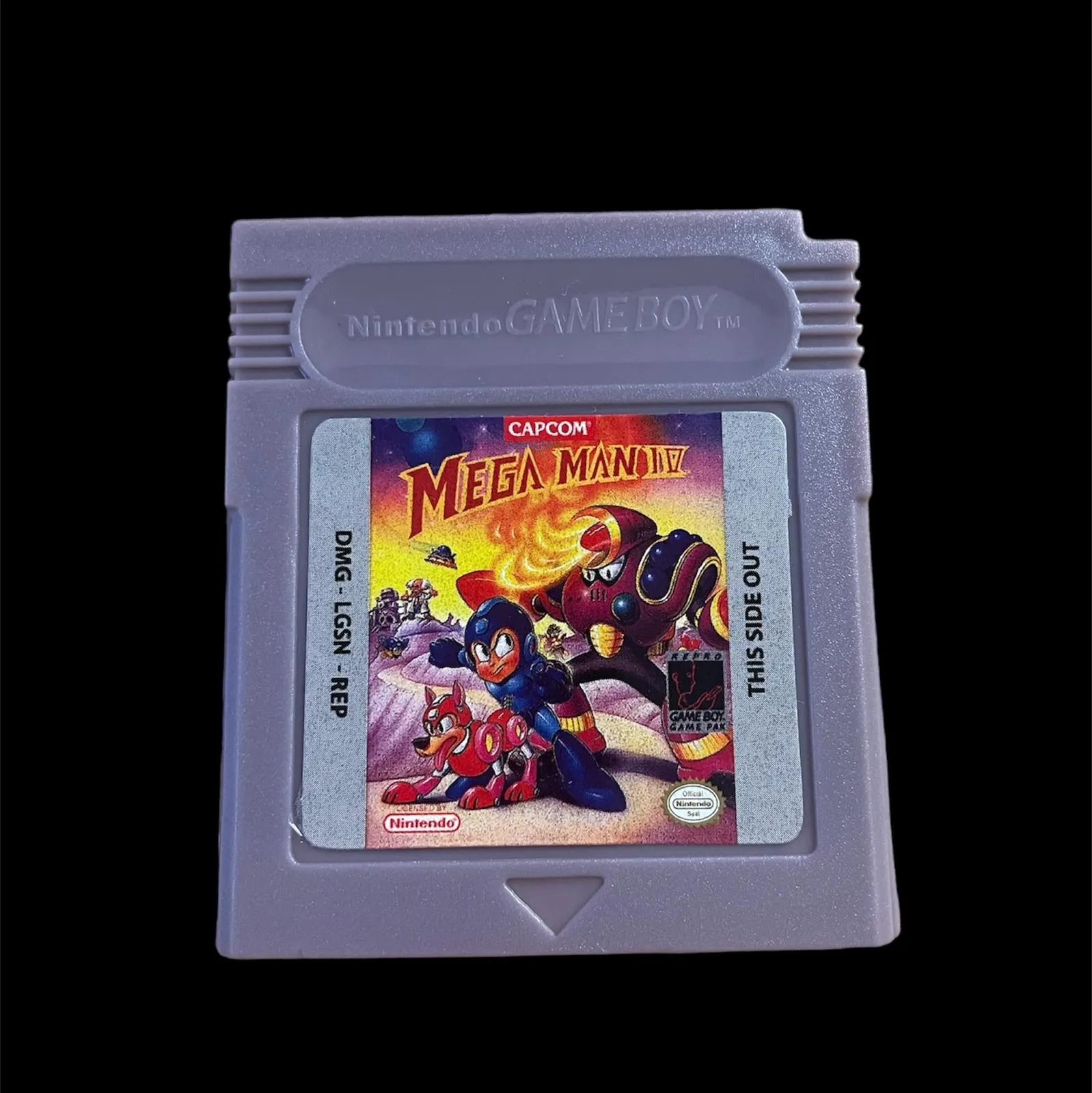
Mega Man IV for the Game Boy is the fourth entry in Capcom's beloved handheld Mega Man series, developed by Minakuchi Engineering and released in 1993. Following the pattern established by the earlier Game Boy titles, it blends Robot Masters from two consecutive NES entries — specifically Mega Man 4 and Mega Man 5 — into a single cohesive portable adventure. The story finds Dr. Wily deploying a disruptive radio signal to send robots at a city-wide exhibition into a destructive rampage, and Mega Man and Rush must fight through eight Robot Masters to track Wily to his secret space battleship. A memorable subplot involves Beat the robotic bird, whose scattered components must be recovered across the stages.
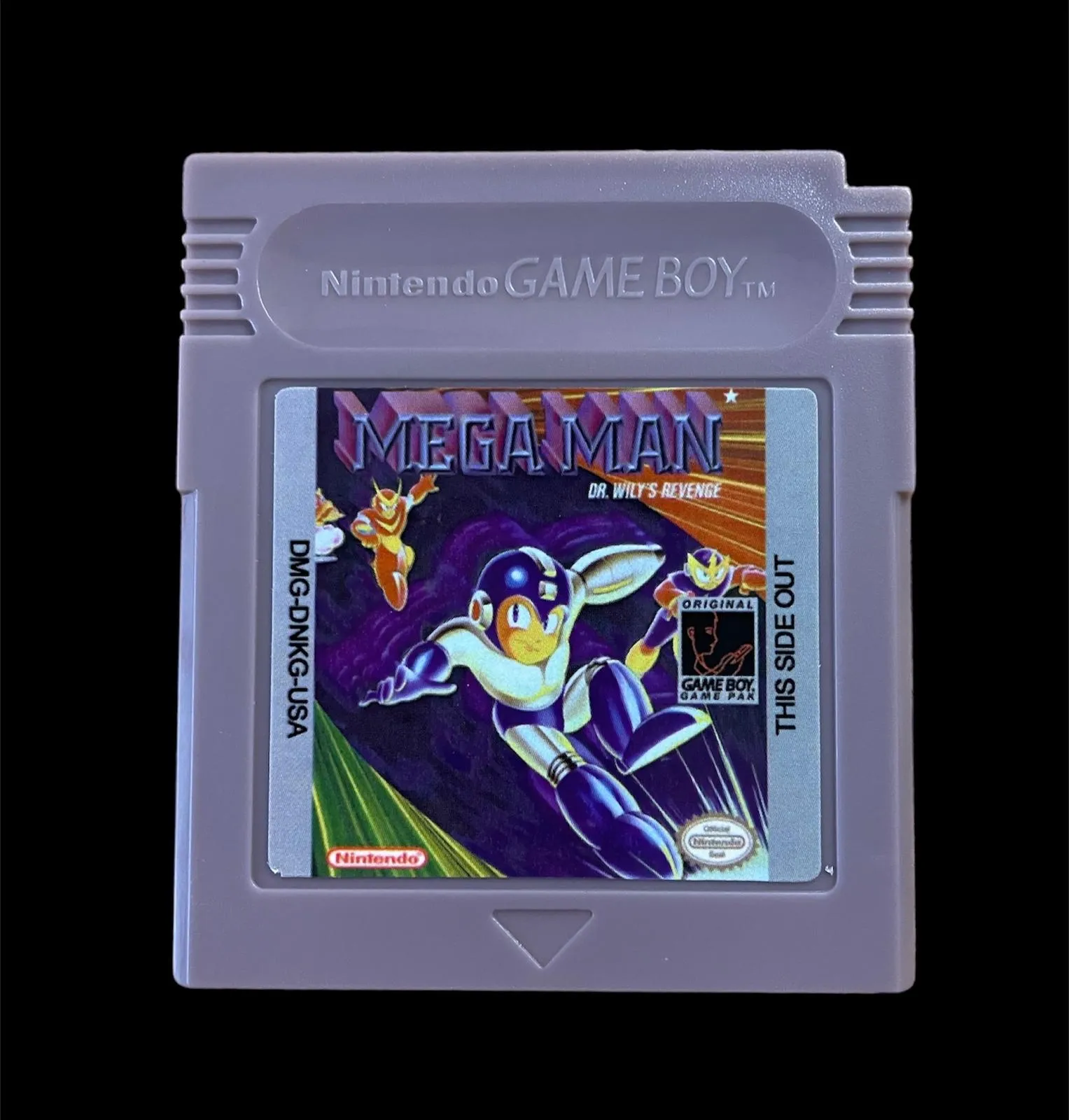
Mega Man: Dr. Wily's Revenge was the first Mega Man game to appear on the Game Boy, developed by Minakuchi Engineering and published by Capcom in July 1991 in Japan with a North American release following that December. Rather than a simple downport of an existing NES title, this is an entirely new game that cleverly borrows levels, enemies, and Robot Masters from both the original Mega Man and Mega Man 2, constructing a fresh experience for portable play. The story once again pits the Blue Bomber against Dr. Wily, who has reprogrammed Robot Masters to renew his quest for world domination. Four Robot Masters from the original NES Mega Man — Cut Man, Elec Man, Ice Man, and Fire Man — form the first set of selectable stages, with four Robot Masters from Mega Man 2 waiting in the Wily Castle. The game also introduces Enker, the first of the original "Mega Man Killer" characters created specifically for the Game Boy series, whose Mirror Buster weapon is key to the finale.
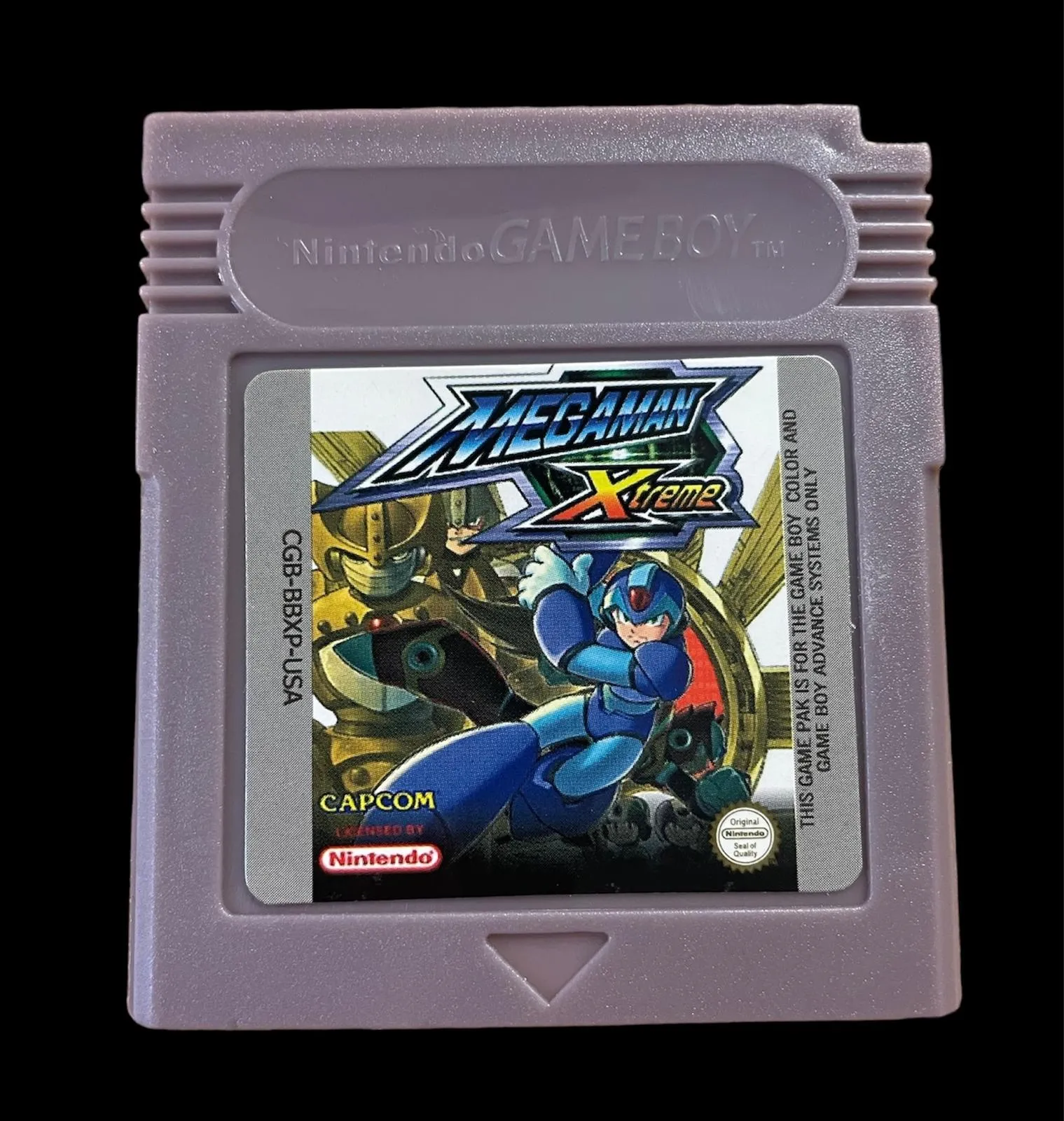
Mega Man Xtreme arrived on Game Boy Color in 2000, developed and published by Capcom as a spin-off of the beloved Mega Man X series that had been thrilling SNES players since 1993. Known in Japan as Rockman X: Cyber Mission, the game adapts stages, bosses, and gameplay elements from both Mega Man X and Mega Man X2 for the handheld, wrapping them in an original storyline in which a hacker group called the Shadow Hunters breaks into the world's Mother Computer, destabilising global networks and letting Maverick robots run riot. As X, you dive into cyberspace to erase the battle data of corrupted Maverick bosses, ultimately confronting Sigma himself. The game features three difficulty modes — Normal, Hard, and Xtreme — with the latter mode serving as a bonus scenario with all eight Robot Masters available from the start.
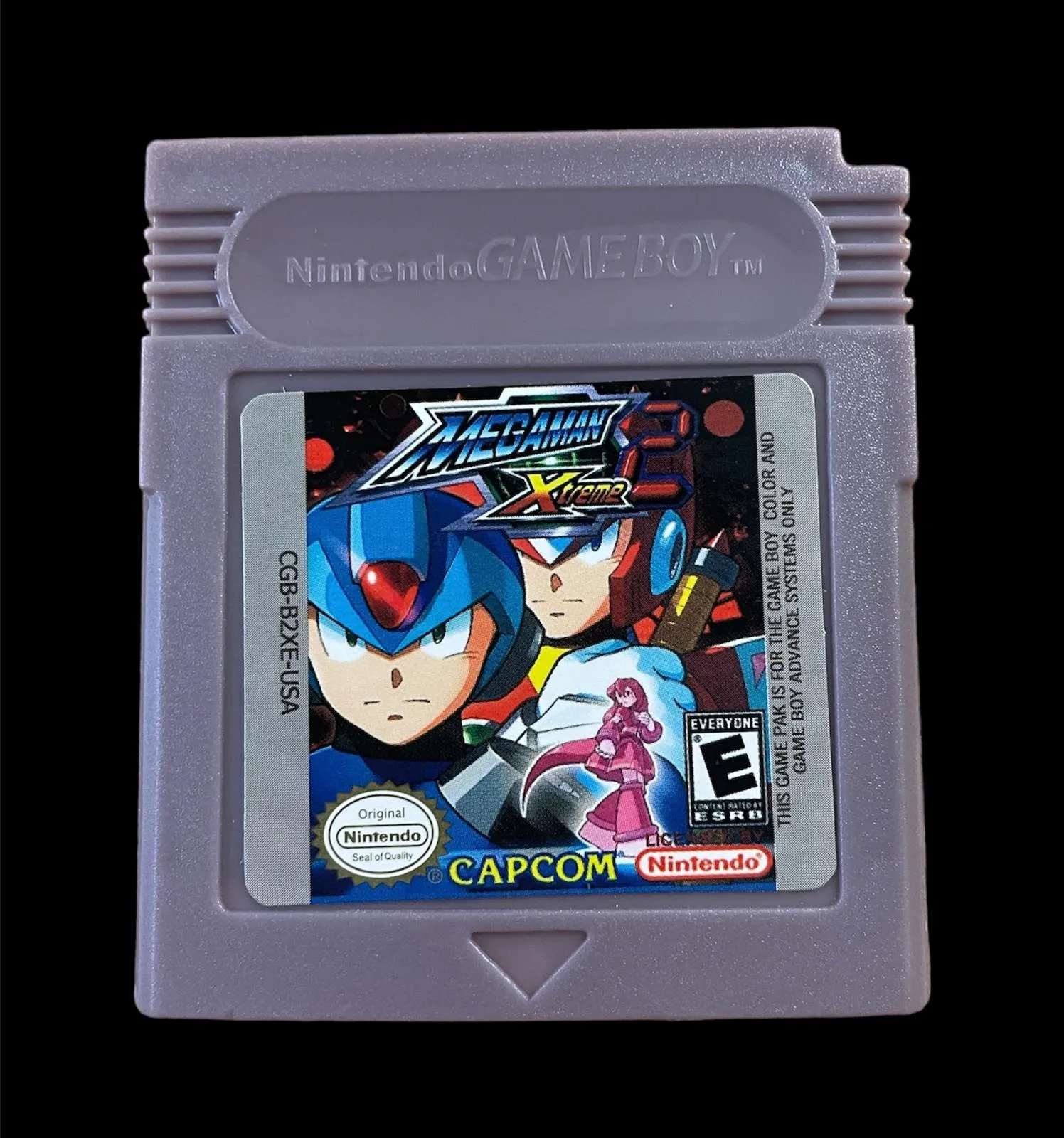
Mega Man Xtreme 2, known in Japan as Rockman X2: Soul Eraser, arrived on Game Boy Color in 2001 as the direct follow-up to the first Xtreme title and is widely regarded as the superior of the two handheld Mega Man X adventures. Unlike its predecessor, Xtreme 2 is a true Game Boy Color exclusive rather than a cross-generation title, and Capcom used that distinction to deliver a noticeably sharper and more ambitious experience. The story is set between the events of Mega Man X3 and X4, with X and Zero sent to investigate the mysterious Laguz Island where Reploids are having their DNA Souls stolen by a villain named Berkana, leaving them as hollow shells. Players choose to begin the campaign as either X or Zero, each facing a different set of four Maverick bosses before the stories converge — meaning a full playthrough requires completing both characters' missions and then tackling the unlockable Xtreme Mode.
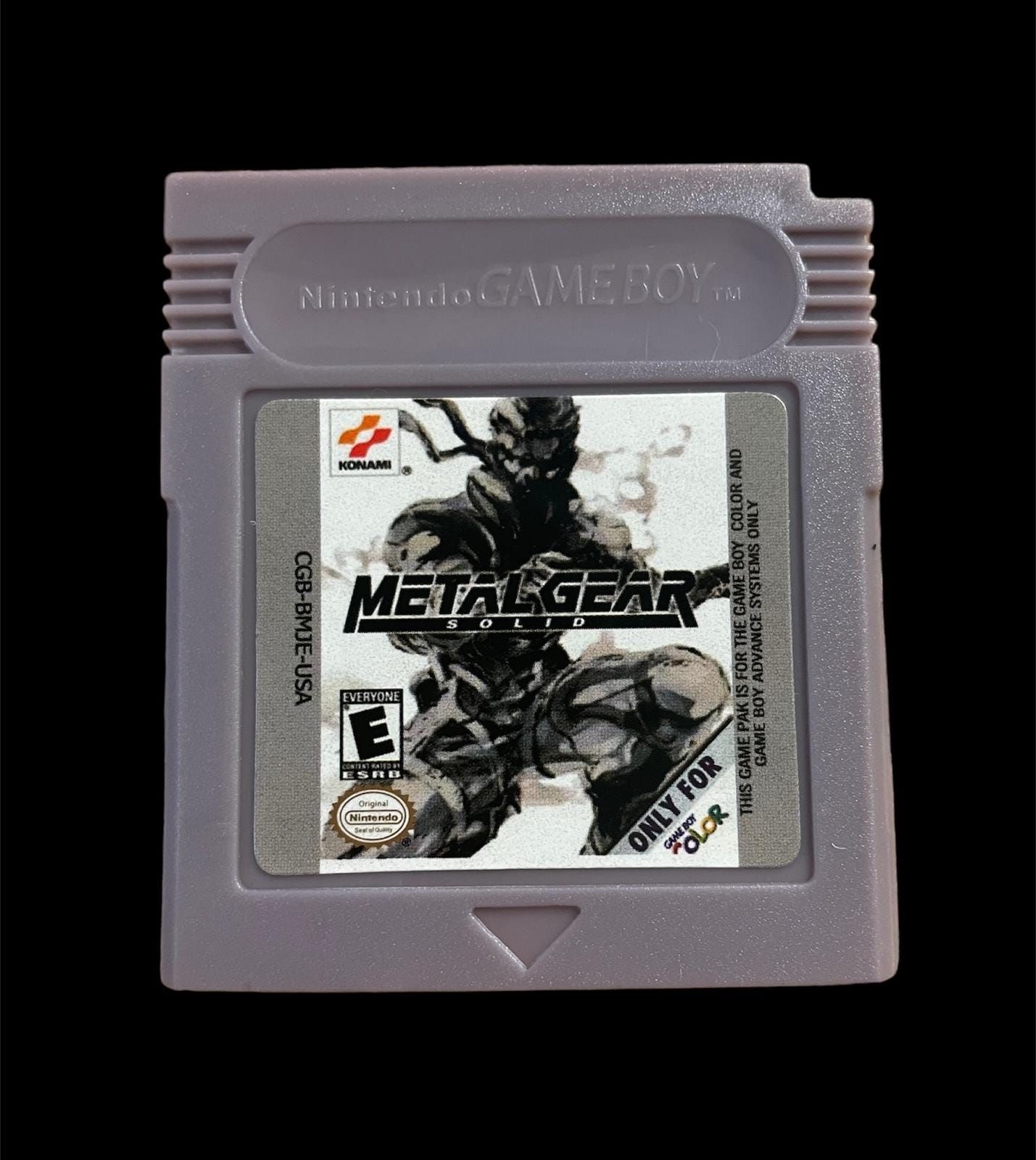
Metal Gear Solid for Game Boy Color — released in Japan as Metal Gear: Ghost Babel — is a remarkable achievement in portable game design. Developed by Konami Computer Entertainment Japan and released in 2000, the game began as a request from Konami's European division for a handheld version of the acclaimed 1998 PlayStation title. Rather than attempt a direct port, the team created an entirely original game set in an alternative continuity, taking place seven years after the events of the original Metal Gear on the MSX2. Solid Snake is called out of retirement to infiltrate the fortress of Galuade in Central Africa, where a separatist group has stolen a Metal Gear prototype, and must work through 13 tightly designed stages against a set of antagonists called Black Chamber — a group whose animal-themed codenames directly parallel FOXHOUND.
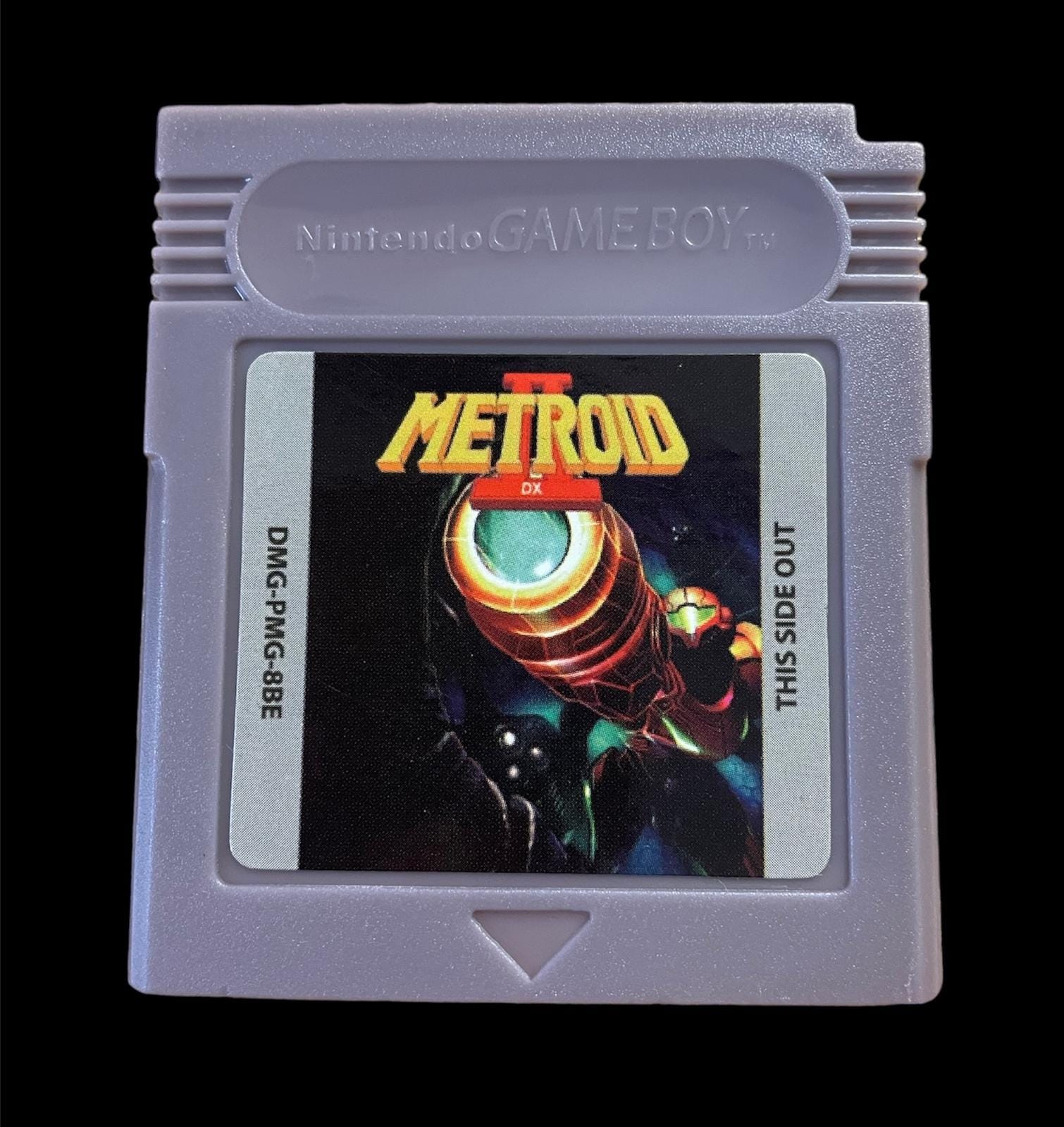
Metroid II: Return of Samus arrived on the Game Boy in November 1991 in North America and in 1992 in Japan and Europe, and it represents one of the most ambitious handheld games of the entire 8-bit era. Developed by Nintendo's Research & Development 1 team under legendary designer Gunpei Yokoi — the same team responsible for the original NES Metroid — it took the series' signature exploration-based gameplay and translated it to the Game Boy in a way that genuinely pushed the hardware. Critics described it as marking a new high point for handheld game consoles, with graphics approaching the quality of NES games and a game world far larger and more complex than anything previously attempted on a portable system. It was the first Metroid game to allow Samus to save her progress using battery-backed memory.
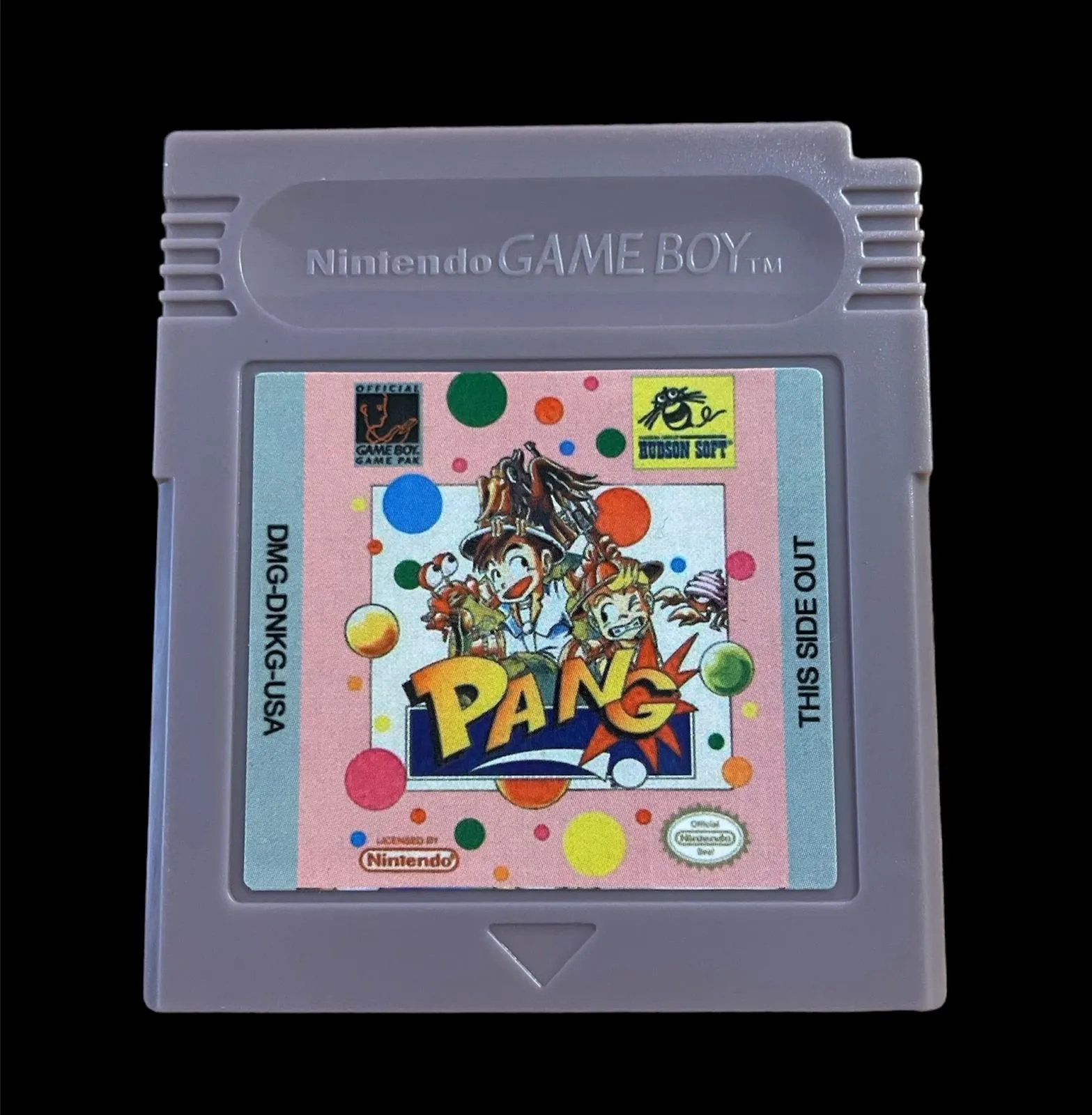
Pang (also known as Buster Bros. in North America) is a 1989 arcade classic developed by Mitchell Corporation that became one of the most addictive action games of its era. Players take on the role of globe-trotting adventurers on a round-the-world quest to destroy giant bouncing balloons terrorising Earth's most famous landmarks — from Mount Fuji to the Eiffel Tower. The concept is deceptively simple: fire harpoon shots upward to pop balloons, which then split into two smaller versions that bounce faster and closer to the ground, creating an increasingly frantic game of survival.
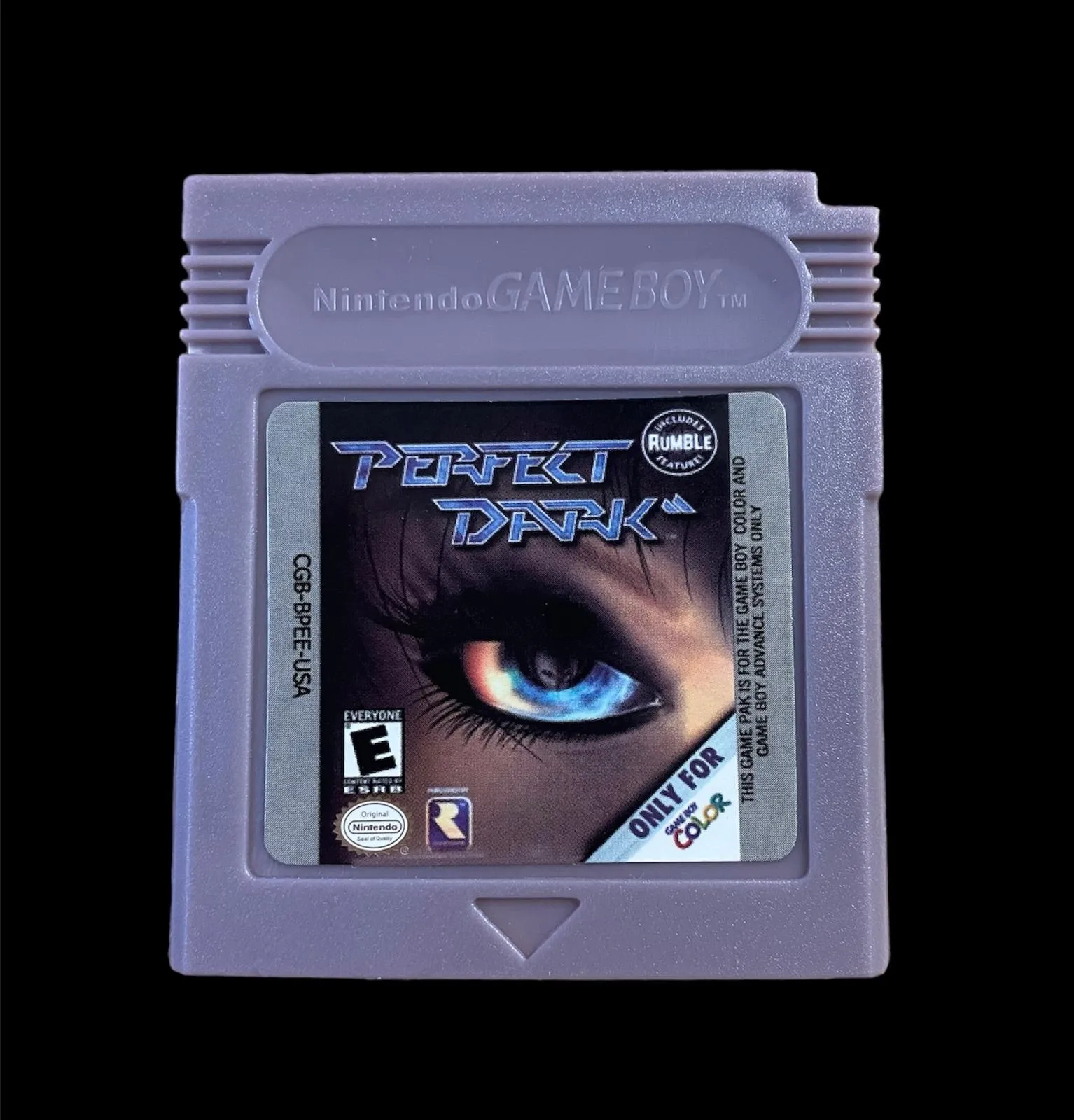
Perfect Dark for the Game Boy Color is a remarkable technical achievement from Rare, released in August 2000 as a direct prequel to the acclaimed Nintendo 64 shooter of the same name. Set in the year 2022, the game follows Joanna Dark during the final stages of her training at the Carrington Institute, before sending her on a series of covert missions that pit her against the sinister dataDyne corporation and uncover a conspiracy involving alien wreckage. It is not simply a scaled-down version of the N64 game but a fully original story that feeds directly into the events of its bigger sibling.