Shop Catagories
00

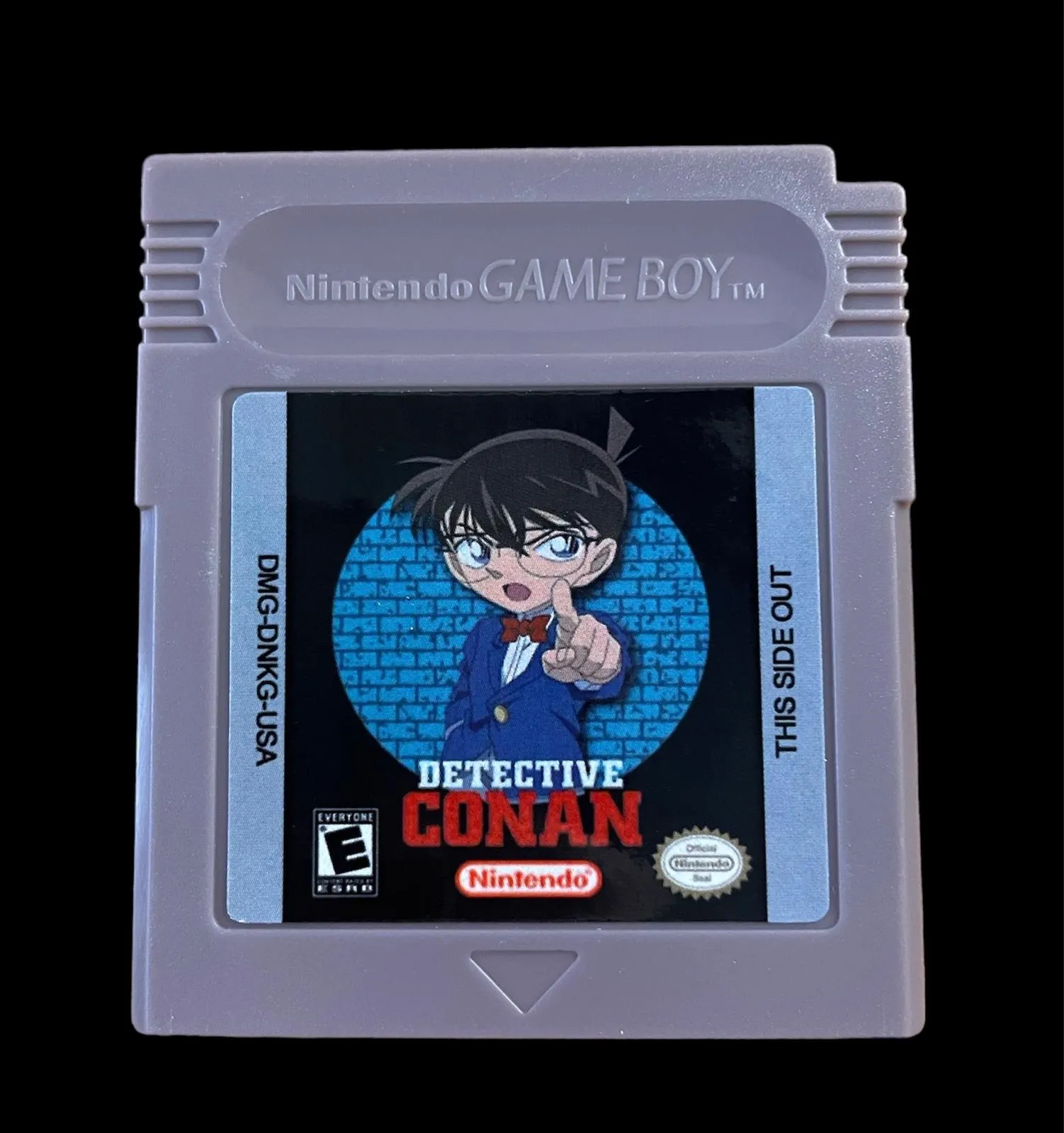
Detective Conan: The Mechanical Temple Murder Case is a Game Boy Color adventure game based on the enormously popular Japanese anime and manga franchise created by Gosho Aoyama in 1994. Known as Case Closed in some Western markets, Detective Conan follows Shinichi Kudo, a brilliant teenage detective who is forced to take an experimental poison by a criminal organisation and is transformed into a child. Taking on the alias Conan Edogawa, he continues to solve complex murder cases while searching for a way to restore his original form. The franchise has been a cultural phenomenon in Japan for decades, spawning hundreds of anime episodes, theatrical films and numerous video game adaptations — of which this Game Boy Color title is among the more intriguing.
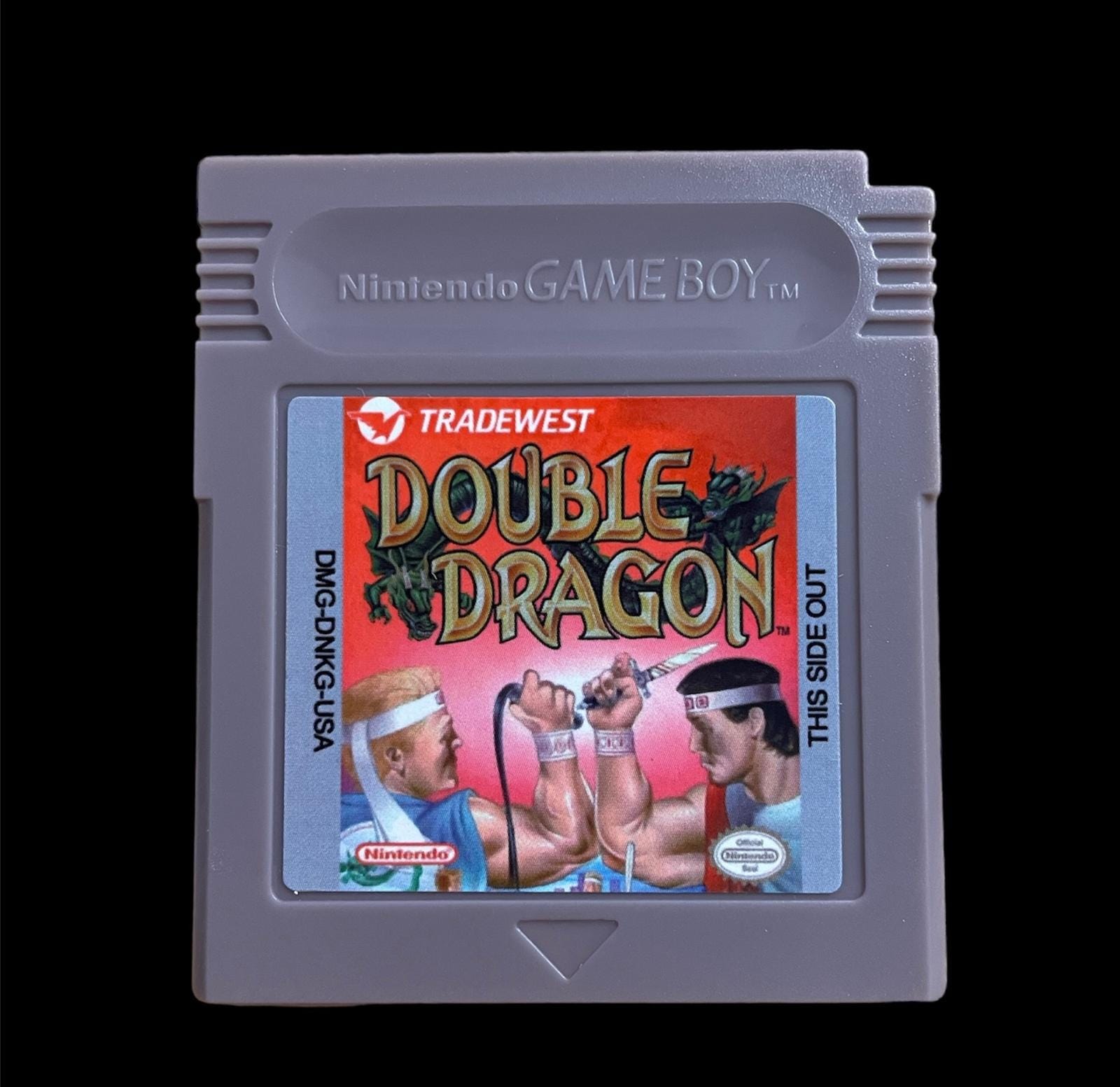
Double Dragon on the Game Boy is a remarkable piece of handheld gaming history, arriving in 1990 just a year after the original Game Boy's launch and bringing one of the defining beat-em-ups of the arcade and NES era to a pocket-sized screen. The game follows Billy Lee as he fights through the dangerous streets, factories, and hideouts of the Black Warriors gang to rescue Marian from the mysterious Shadow Boss — a storyline that became the blueprint for the scrolling beat-em-up genre. Developed by Technōs Japan, the same studio behind the original arcade game, the Game Boy version benefits from the developer's direct involvement, resulting in a port that captures the spirit of the NES version more faithfully than many competing handheld conversions of the period.
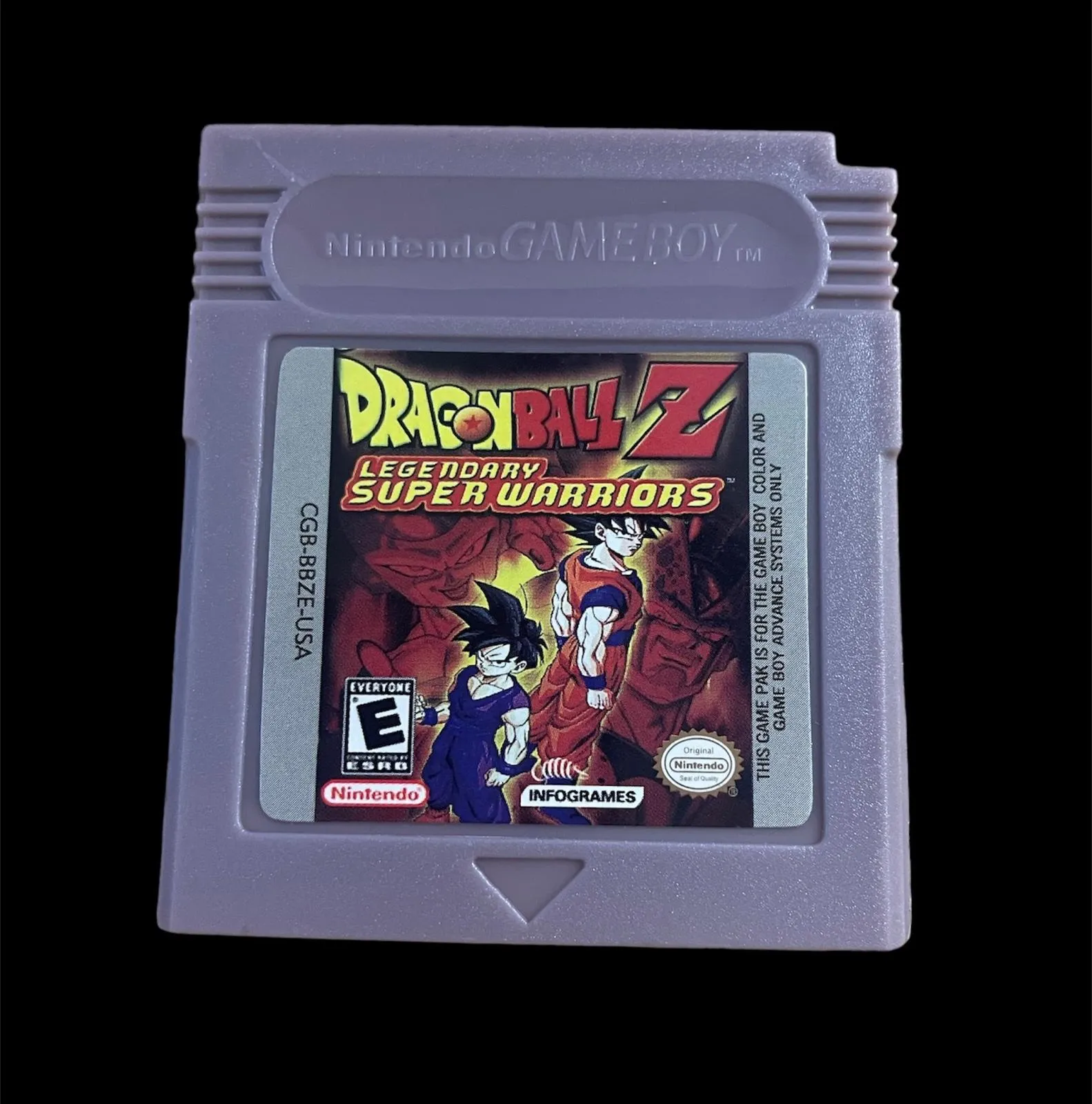
Dragon Ball Z: Legendary Super Warriors is a turn-based fighting game for the Game Boy Color developed by Banpresto and published by Bandai, released in Japan in 2002 and notable as one of the first officially licensed Dragon Ball Z games to reach North American shores. The game covers the entire Dragon Ball Z saga from the Saiyan Saga through to the Kid Buu Saga, plus two additional storylines exploring Future Trunks's alternate timeline — a total of 30 scenarios in Story Mode with two further unlockable battles. Rather than relying on reflexes, battles are fought using a card-based system: before each fight, players build a deck of attack cards, technique cards, and support items, then execute them strategically during combat. Defeating opponents earns card rewards, and the story unfolds between battles through character portraits and dialogue, faithfully recreating key moments from the anime.
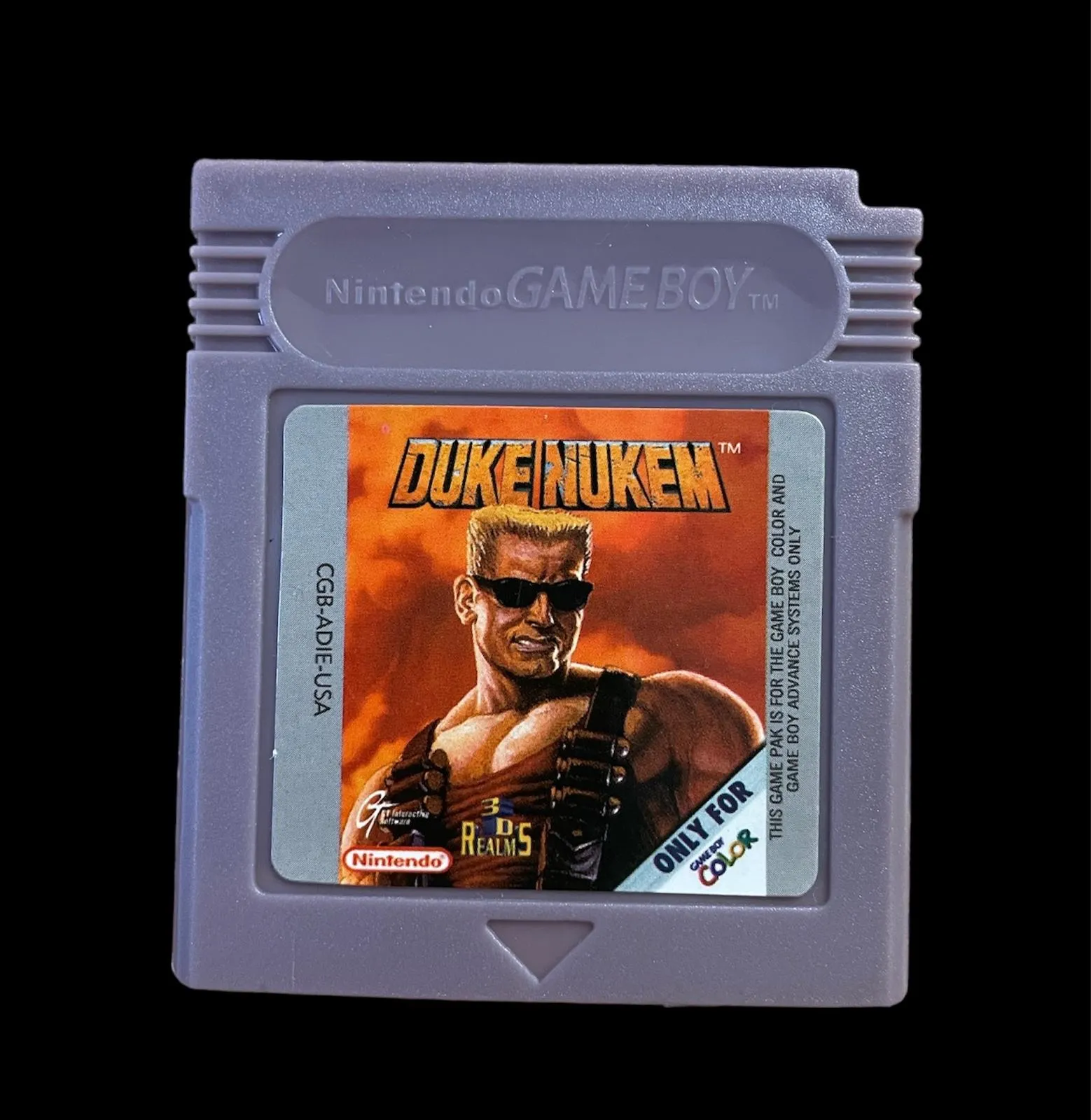
Duke Nukem on the Game Boy Color is a fascinating curiosity in the franchise's history, developed by Titus Interactive and released in 1999. Rather than attempting to shrink down the first-person shooter gameplay of Duke Nukem 3D onto the handheld, the developers made the smart decision to return the series to its 2D platformer roots, drawing inspiration from the original Duke Nukem and its 1993 DOS sequel Duke Nukem II. The result is a side-scrolling action game that follows Duke through a series of non-linear levels spread across multiple themed environments, including alien bases and outer space, as he battles extraterrestrial invaders with his trademark arsenal.
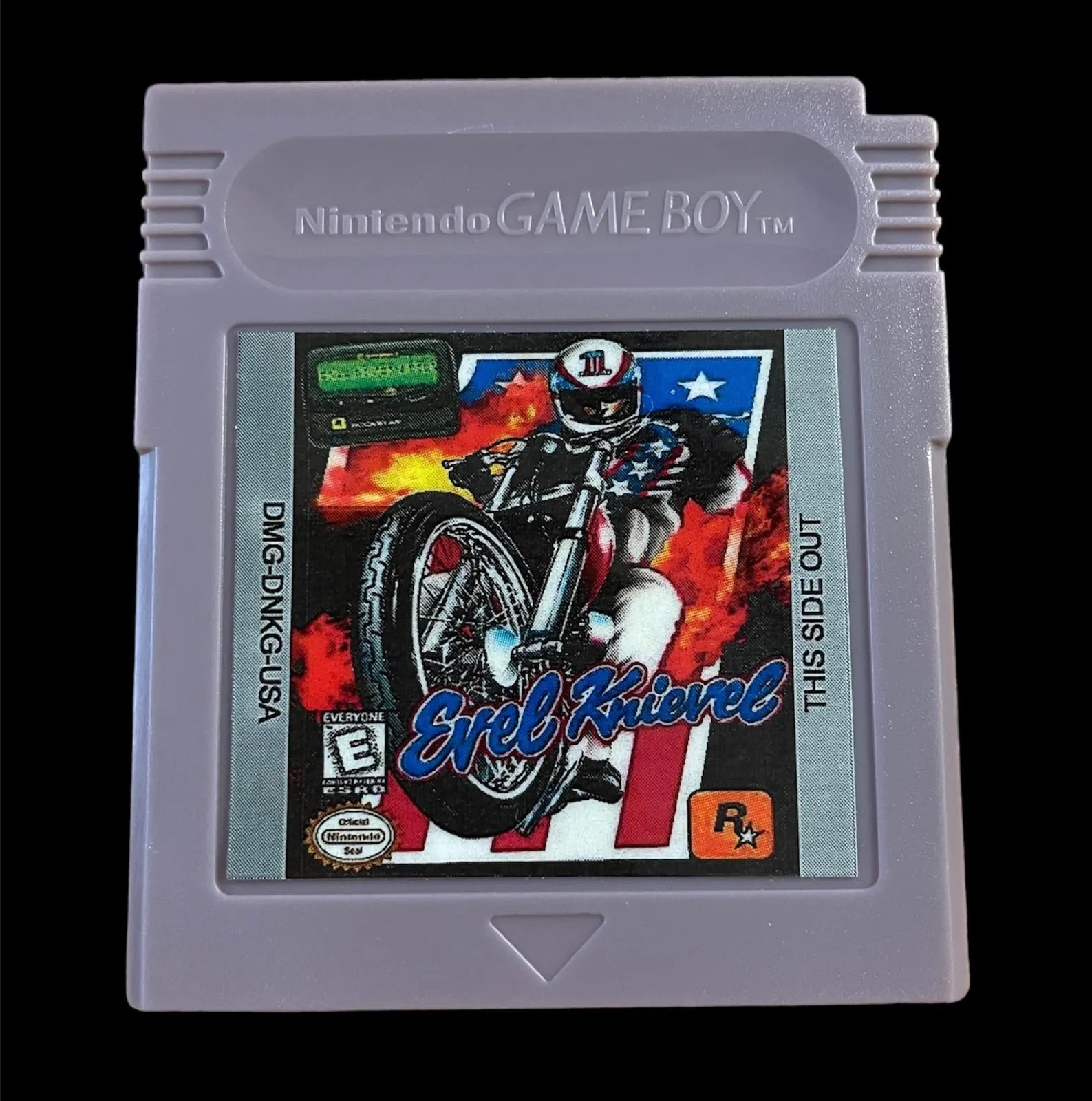
Evel Knievel for the Game Boy Color is a physics-based motorbike stunt game released in December 1999, developed by Tarantula Studios and published by Rockstar Games. It pays tribute to the legendary American daredevil and stunt performer who captivated the world throughout the 1970s with his death-defying motorcycle jumps over buses, fountains, and canyons. The game channels that spirit of spectacle and danger into 20 progressively challenging levels that demand precision, timing, and nerve.
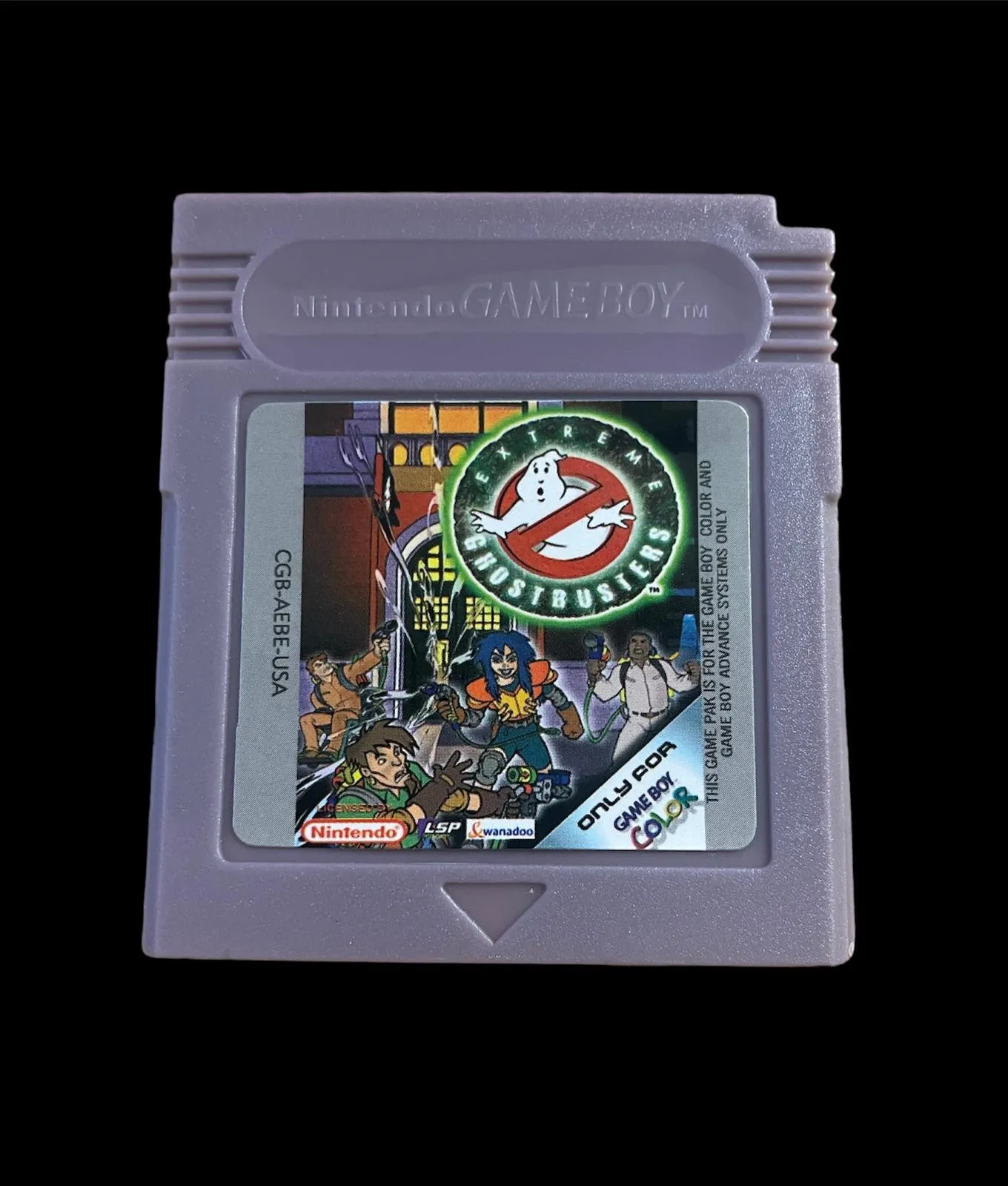
Extreme Ghostbusters for the Game Boy Color arrived in 2001 from developer Magic Pockets, based on the animated television series of the same name that served as a continuation of the classic Ghostbusters franchise. The cartoon ran from 1997 to 1998 and followed a new generation of Ghostbusters — Eduardo, Kylie, Roland and Garrett — trained by the original Egon Spengler, and the game translates that premise into a portable action-adventure romp. The story puts you in the shoes of Eduardo and Kylie as they race to rescue their kidnapped teammates Roland and Garrett, all while uncovering the sinister scheme of the half-human, half-demon Count Mercharior who seeks to dominate the world using newly-freed ectoplasmic forces.
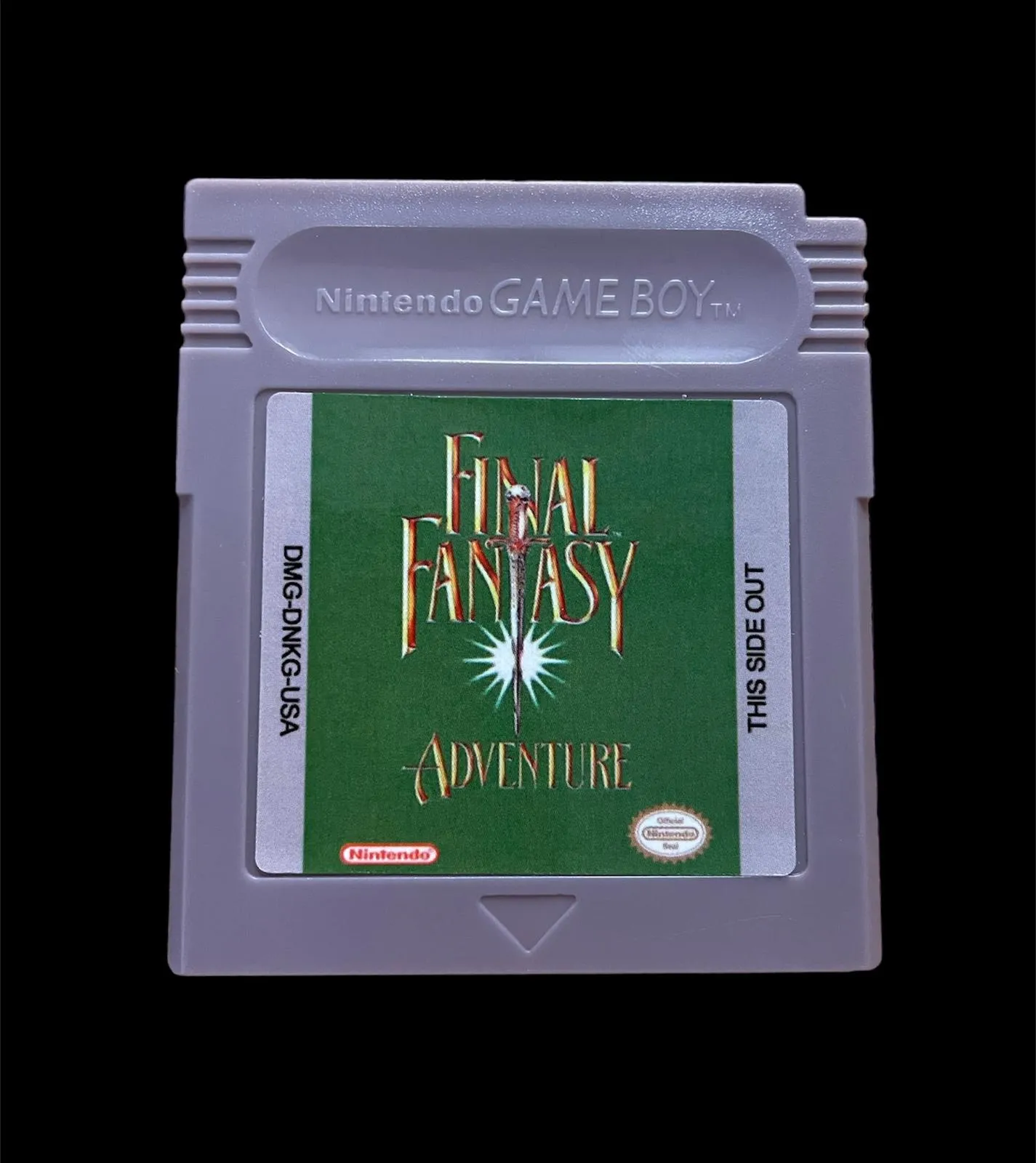
Final Fantasy Adventure, released for the Game Boy in 1991, occupies a genuinely extraordinary place in gaming history — it is simultaneously a Final Fantasy spin-off, the first entry in the Mana series and one of the finest action role-playing games ever produced for a handheld system. Developed by Square under director Koichi Ishii, it was released in Japan as Seiken Densetsu: Final Fantasy Gaiden and in Europe as Mystic Quest. The game grew out of a cancelled project called Gemma Knights and was shaped partly by the legacy of an even earlier cancelled Seiken Densetsu concept from 1987. Square released it alongside familiar Final Fantasy touchstones — chocobos, magic materia-like items and the Final Fantasy logo — but the gameplay itself was a revelation: real-time action combat reminiscent of The Legend of Zelda, played from a top-down perspective with RPG stat progression layered on top.
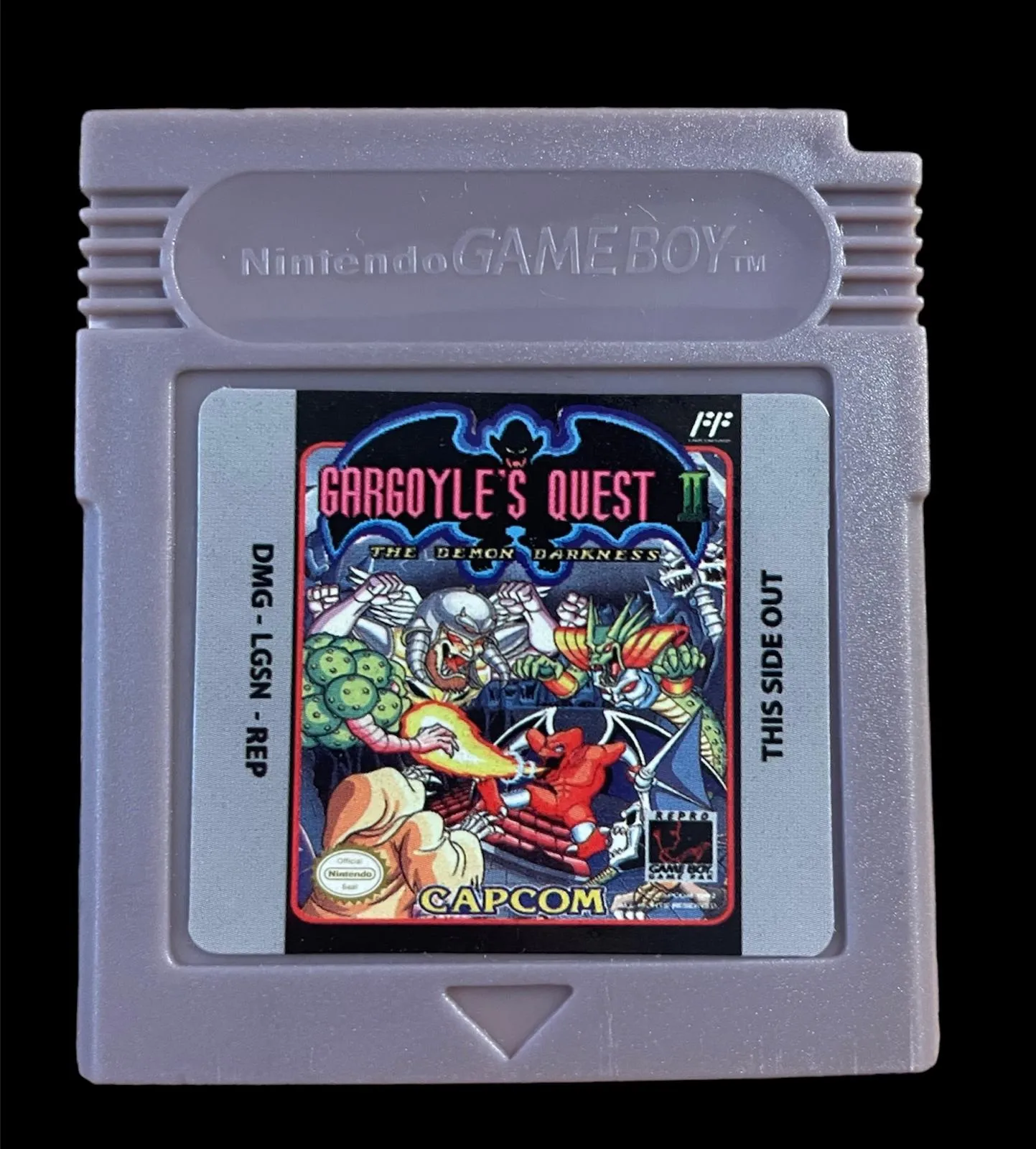
Gargoyle's Quest II: The Demon Darkness on the Game Boy is a conversion of Capcom's 1992 NES action-adventure, and it sits within one of the most inventive spin-off series of the 8-bit era. The Gargoyle's Quest games star Firebrand — the Red Arremer demon who appeared as a persistent enemy in Ghosts 'n Goblins — and recast him as a hero in his own right. This second entry acts as a prequel to the original 1990 Game Boy game, depicting Firebrand's origins as a warrior of the Demon Realm in a story of betrayal, ancient evil and the struggle to restore peace to the underworld. The Game Boy version was released in Japan and carries some unique additions compared to the NES release, including extra stages and new powers not found in the console version.
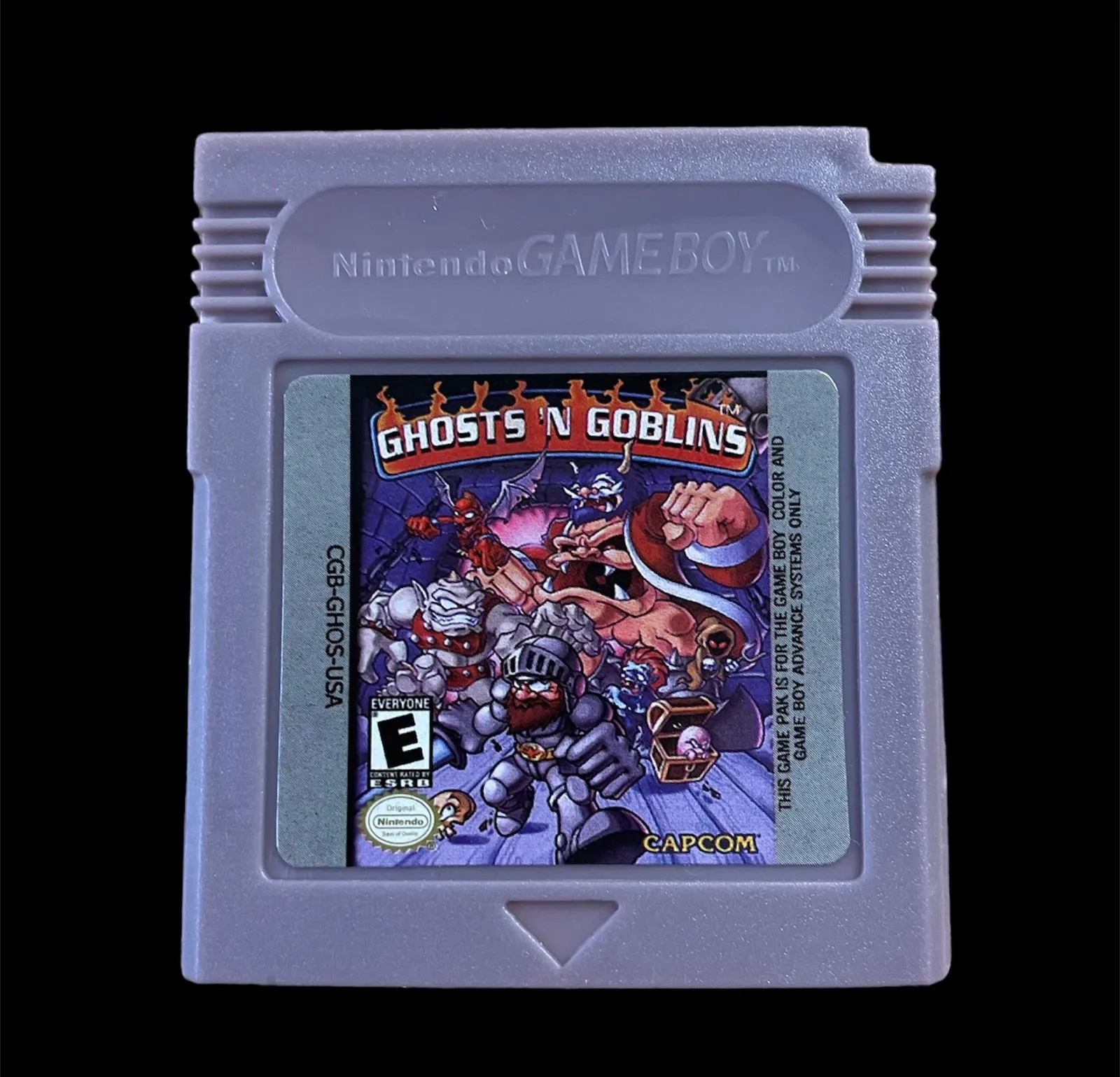
Ghosts 'n Goblins is one of gaming's most legendary and notoriously challenging franchises, created by Tokuro Fujiwara and first released by Capcom as an arcade game in 1985. The Game Boy Color port, released in 2000, brings the classic NES/Famicom version of the game to the handheld with colour graphics and password save functionality. You play as Sir Arthur, a knight on a desperate mission to rescue Princess Prin-Prin from the demon king Astaroth. Armed with lances, daggers, and axes hurled at the relentless undead hordes that swarm each stage, Arthur must survive graveyards, haunted forests, and castle dungeons populated with zombies, ogres, dragons, and Red Arremers. The game's legendary difficulty — Arthur can only survive two hits before losing a life — contributed enormously to its iconic status and helped define the concept of a challenging classic.
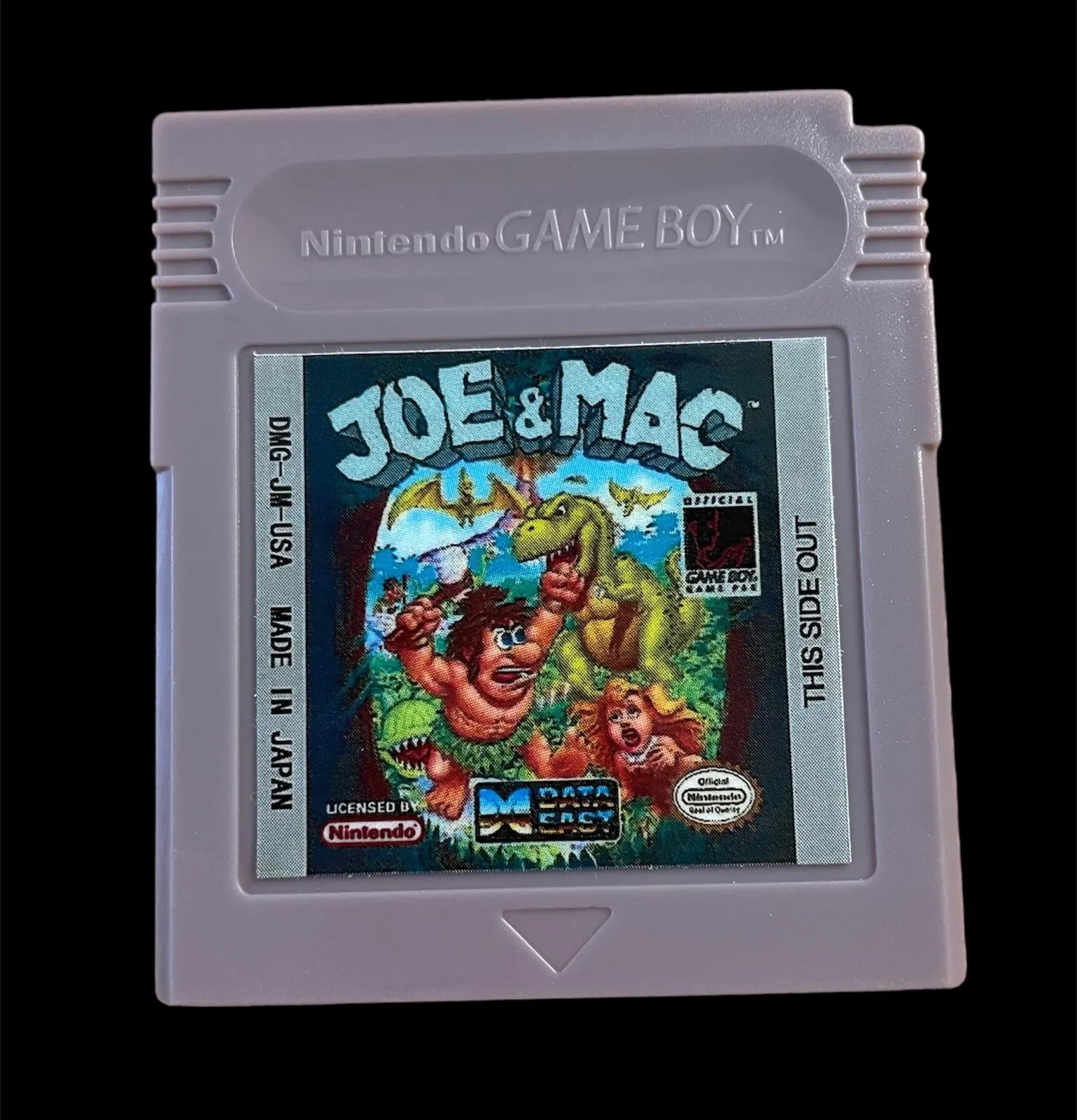
Joe and Mac — also widely known as Caveman Ninja — is a beloved run-and-gun platformer developed and published by Data East for arcades in 1991. The game stars the green-haired Joe and the blue-haired Mac, two wild cavemen who must battle through prehistoric jungles, volcanoes, and dangerous ice stages to rescue a group of women kidnapped by a rival tribe. Their arsenal of prehistoric weapons includes stone wheels, boomerangs, fireballs, flint, and electricity — keeping combat exciting and varied from stage to stage.
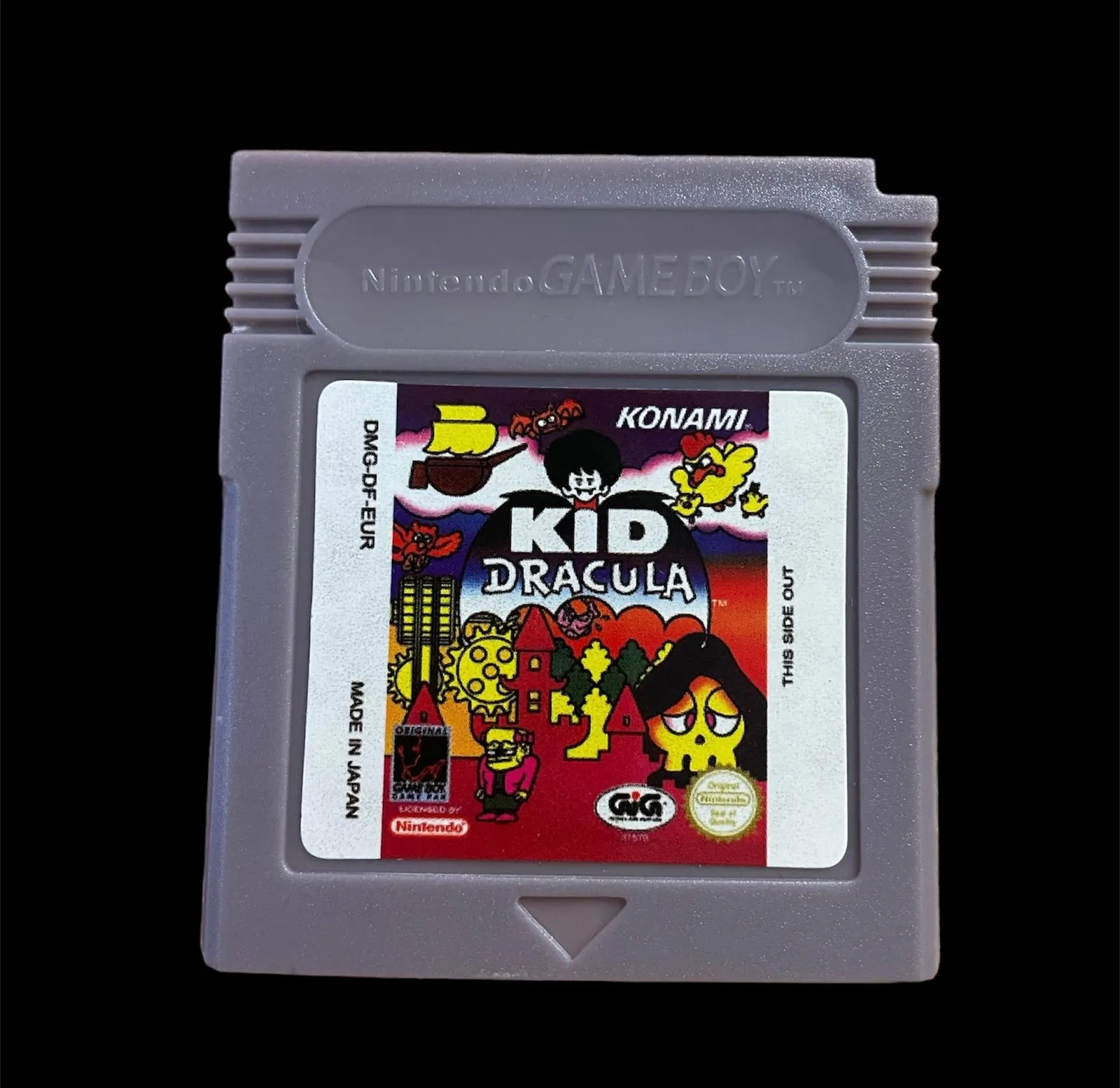
Kid Dracula is a wonderfully irreverent spin-off from Konami's legendary Castlevania series, released for the Game Boy in 1993 in Japan and North America. A sequel to and enhanced remake of the 1990 Famicom title Akumajou Special: Boku Dracula-kun, the game stars a comedic chibi version of Dracula who has forgotten all his supernatural powers during a long slumber. When the wicked Garamoth threatens to seize the castle, Kid Dracula must battle through eight richly themed stages — a ghost pirate ship, a volcanic landscape, a robotics factory, and Dracula's own castle among them — all while gradually recalling his abilities.
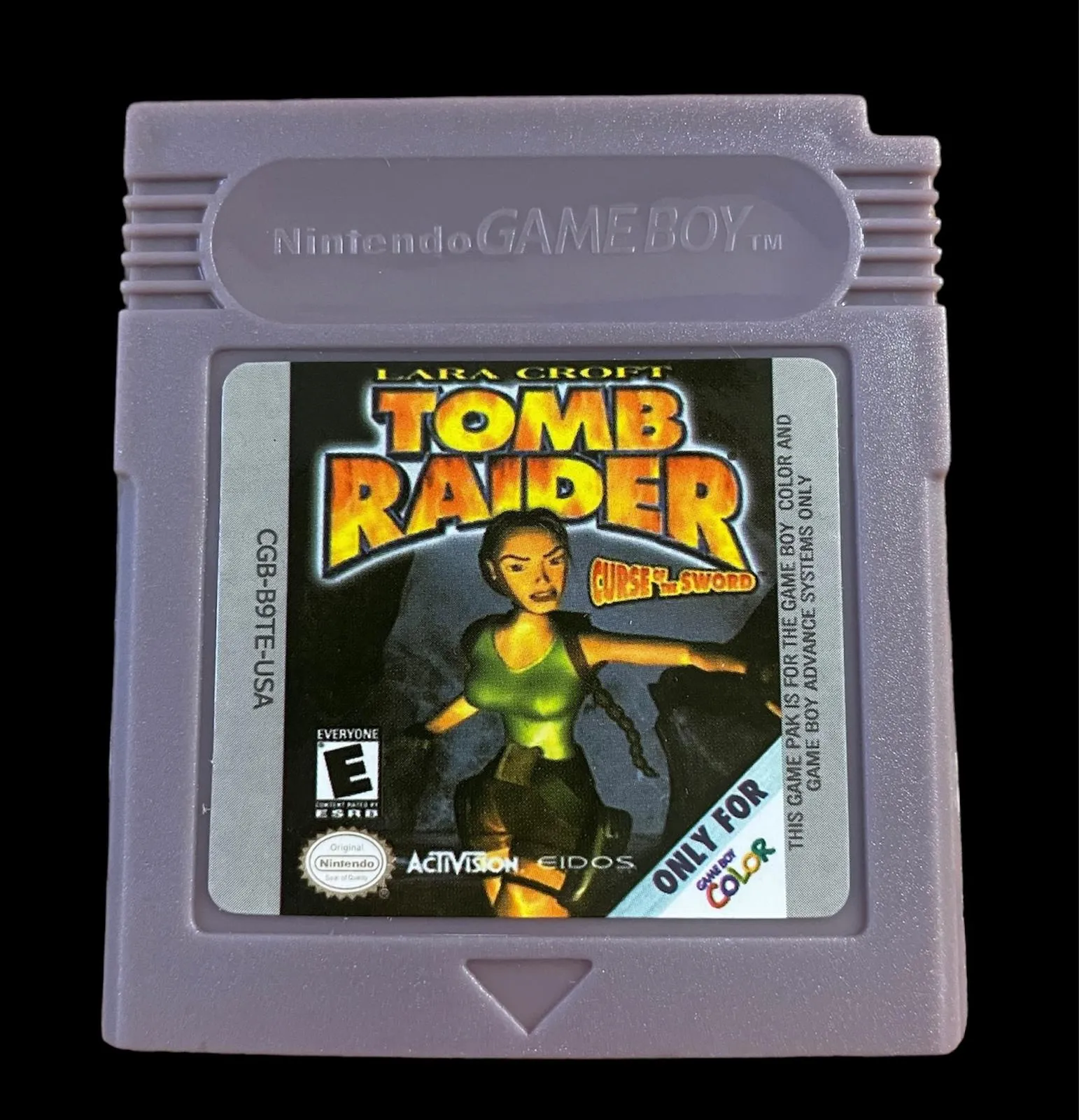
Tomb Raider: Curse of the Sword is an action-adventure game developed by Core Design and published by Activision for the Game Boy Color in 2001. It serves as the second Lara Croft handheld adventure — a direct sequel to the first Tomb Raider game on the same platform — and follows the fearless archaeologist as she hunts down a cursed sword of immense supernatural power. Core Design, the studio that created Lara Croft and built the Tomb Raider franchise from the ground up, handled development themselves, ensuring the game carries the DNA of the series' creators.