Shop Catagories
00
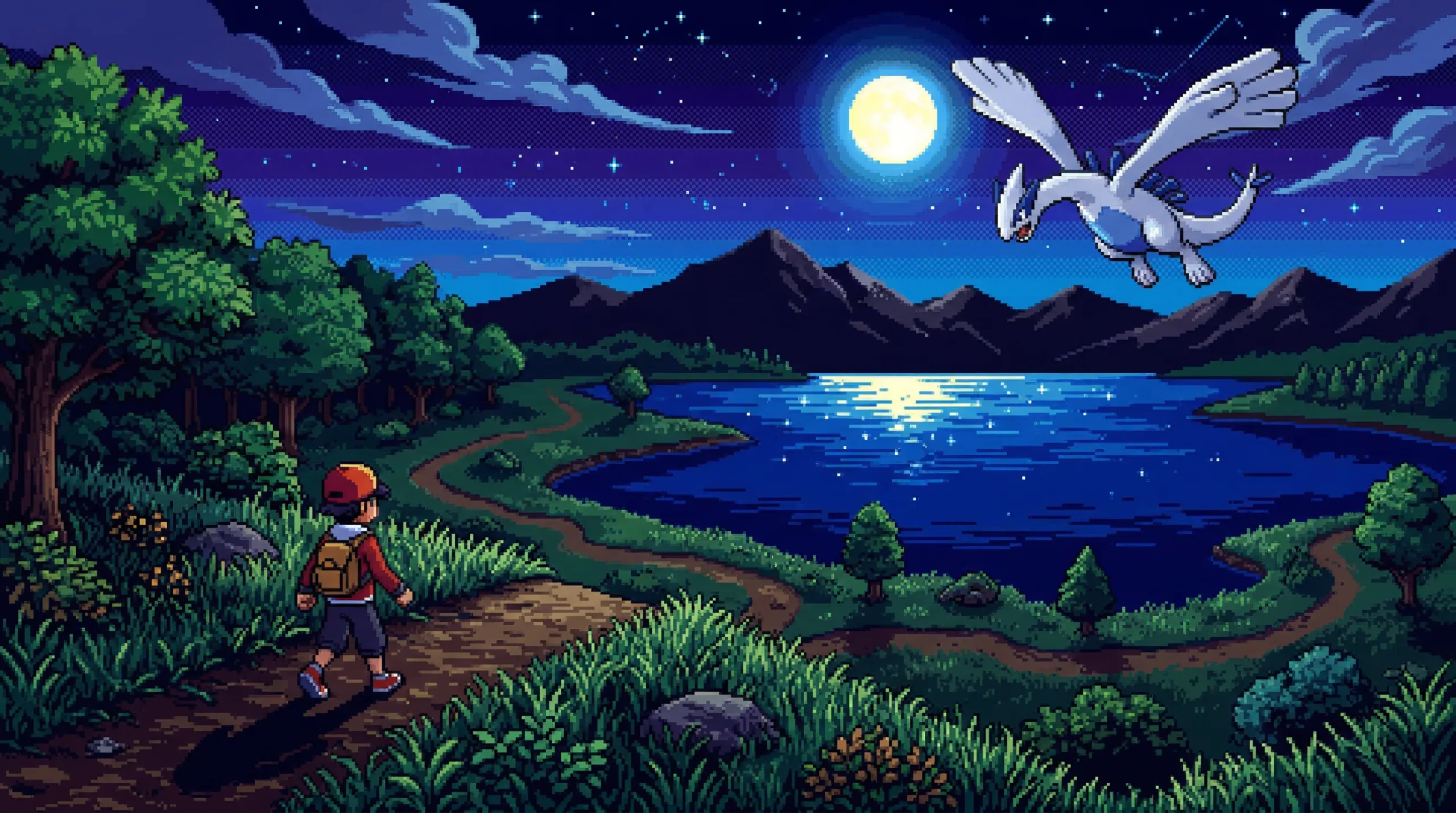
If Pokémon Red and Blue launched a phenomenon, then Pokémon Silver and Gold perfected it. Released in 2000 for Game Boy Color, the second generation of Pokémon games took everything that worked about the originals and expanded it in almost every direction imaginable — a new region, 100 new Pokémon, a day-and-night cycle, breeding, held items, two regions to explore, and the staggering post-game revelation of returning to Kanto from the first generation. Pokémon Silver is widely considered one of the greatest games ever made, and its status as a Game Boy Color classic is unimpeachable.
You play as a young trainer from New Bark Town in the Johto region, setting out with a starter chosen from Chikorita, Cyndaquil, or Totodile. Your journey takes you through Johto’s eight gym badges and the Elite Four, while the sinister Team Rocket — now leaderless after their defeat in the Kanto region — attempts a desperate comeback. Your unnamed rival, a brooding boy who stole his starter from Professor Elm, provides a compelling dark mirror to your journey. And then — beyond the credits — the original Kanto region opens up, culminating in a battle against the legendary trainer Red himself.
The core Pokémon RPG structure is intact and enhanced. Gym battles, wild Pokémon encounters, and the turn-based combat system all return, now with the significant additions of the breeding mechanic — allowing the creation of Pokémon eggs with inherited moves — and held items that provide passive bonuses in battle.
The real-time clock was a revolutionary feature for 2000 — certain Pokémon only appear at night, shops change their stock by time of day, and weekly events like the Bug Catching Contest operate on specific days. This connection between the game and real time made the Pokémon world feel genuinely alive.
The second generation introduced beloved Pokémon including Lugia (Silver’s mascot), Ho-Oh, Espeon, Umbreon, and the baby forms of classic Pokémon. Many of generation two’s designs are fan favourites to this day, and the expanded Pokédex gives the game enormous content breadth.
The revelation that defeating the Elite Four is merely the midpoint — that all of Kanto lies beyond, with eight more gym badges to collect before facing Red in a snowstorm on Mount Silver — remains one of gaming’s greatest post-game surprises. The sheer generosity of content in this single cartridge is extraordinary.
The Game Boy Color display allows Pokémon Silver to present Johto’s cities and routes in vivid, distinct colours. Character and Pokémon sprites are well-detailed and expressive. The music, composed by Junichi Masuda and Go Ichinose, includes some of the series’ finest compositions — Ecruteak City, Goldenrod City, and the haunting final battle theme remain extraordinary examples of handheld game music.
Pokémon Gold and Silver sold over 23 million copies worldwide and are consistently ranked among the greatest video games ever made. They received a definitive remake as HeartGold and SoulSilver on Nintendo DS in 2009 — a testament to the originals’ enduring greatness — and remain the standard against which all subsequent Pokémon games are measured.
Pokémon Silver is more than a great Game Boy Color game — it is one of the greatest RPGs ever made, period. The original cartridge is a piece of gaming history that delivers an experience of extraordinary depth and warmth. An absolute essential for any retro collection.
To view the product page for Pokémon Silver Edition please click here