Shop Catagories
00

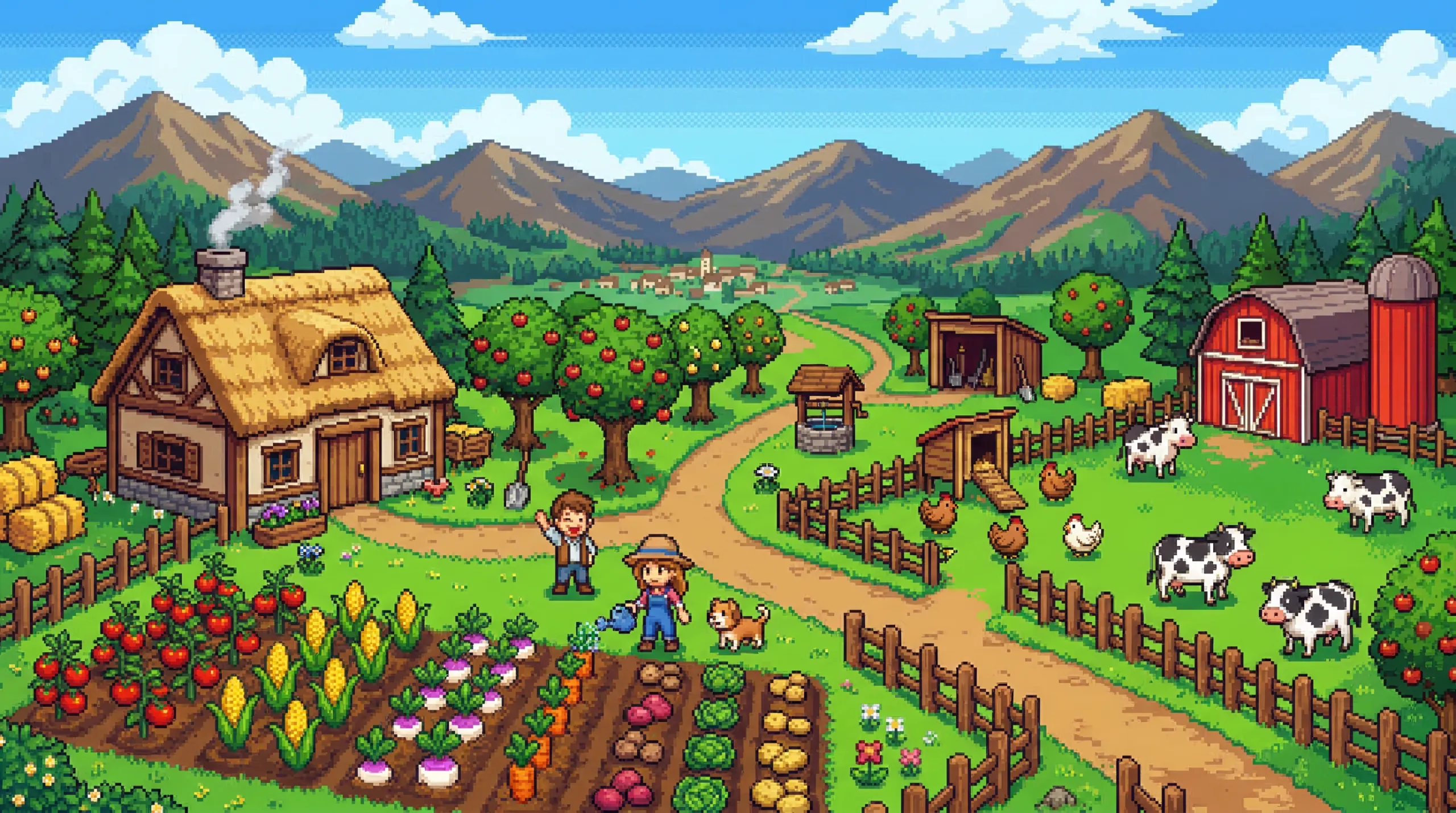
Harvest Moon 2 GBC arrived in 2000 as a significant step forward for the farming simulation genre on handheld hardware. Developed by Amccus and published by Natsume, this Game Boy Color sequel built substantially on the foundations of its predecessor, adding depth, colour, and a host of new activities that kept players returning season after season. It arrived at the perfect moment — the GBC was at the height of its popularity, and players were hungry for games that rewarded long-term investment.
The player inherits a neglected farm and sets about rebuilding it into a thriving agricultural enterprise. The nearby village is home to a modest but charming cast of characters — a shopkeeper, a blacksmith, farmers, and eligible bachelors or bachelorettes depending on which version you play. Forming friendships and eventually pursuing romance adds an emotional dimension to what might otherwise be a purely mechanical experience. The game’s gentle, unhurried pace invites players to take their time getting to know the community around them.
Day-to-day life in Harvest Moon 2 GBC involves planting crops, tending animals, mining for ore, fishing, and participating in seasonal festivals. Stamina management is central — push too hard and your farmer will collapse, losing precious time.
Each of the four seasons supports a distinct range of crops, from spring strawberries to winter-hardy turnips. Deciding what to plant and when — balancing quick-return crops against slower, higher-value harvests — provides a genuinely satisfying strategic puzzle.
Farming tools can be upgraded at the blacksmith using ore mined from the mountains. Higher-tier tools cover more ground with a single swing or water more plants at once, gradually transforming the daily chore of farm maintenance into an efficient, rewarding routine.
Each season brings community festivals — cooking contests, flower viewings, and harvest celebrations — that break up the farming rhythm and offer opportunities to deepen relationships with villagers. These events give the game’s world a sense of life that transcends the basic simulation loop.
The GBC’s colour hardware elevates the presentation considerably over the original Game Boy title. Seasons are rendered with distinct palettes that genuinely communicate the feel of each time of year — lush greens in summer, warm oranges in autumn. The soundtrack is reliably pleasant, with cheerful melodies that never overstay their welcome during long play sessions.
Harvest Moon 2 GBC helped cement the Harvest Moon series as a staple of Nintendo’s handheld platforms and introduced many players to the joys of farming simulation. Its improvements over the first GBC entry showed that the series was on an upward trajectory that would culminate in the celebrated GBA entries. It remains a fondly remembered part of early GBC history.
Warm, charming, and deeply replayable, Harvest Moon 2 GBC is the kind of game that rewards patience and investment. If you enjoy games that let you set your own pace and build something meaningful over time, this is an essential piece of Game Boy Color history worth experiencing.
To view the product page for Harvest Moon 2 GBC please click here