Shop Catagories
00

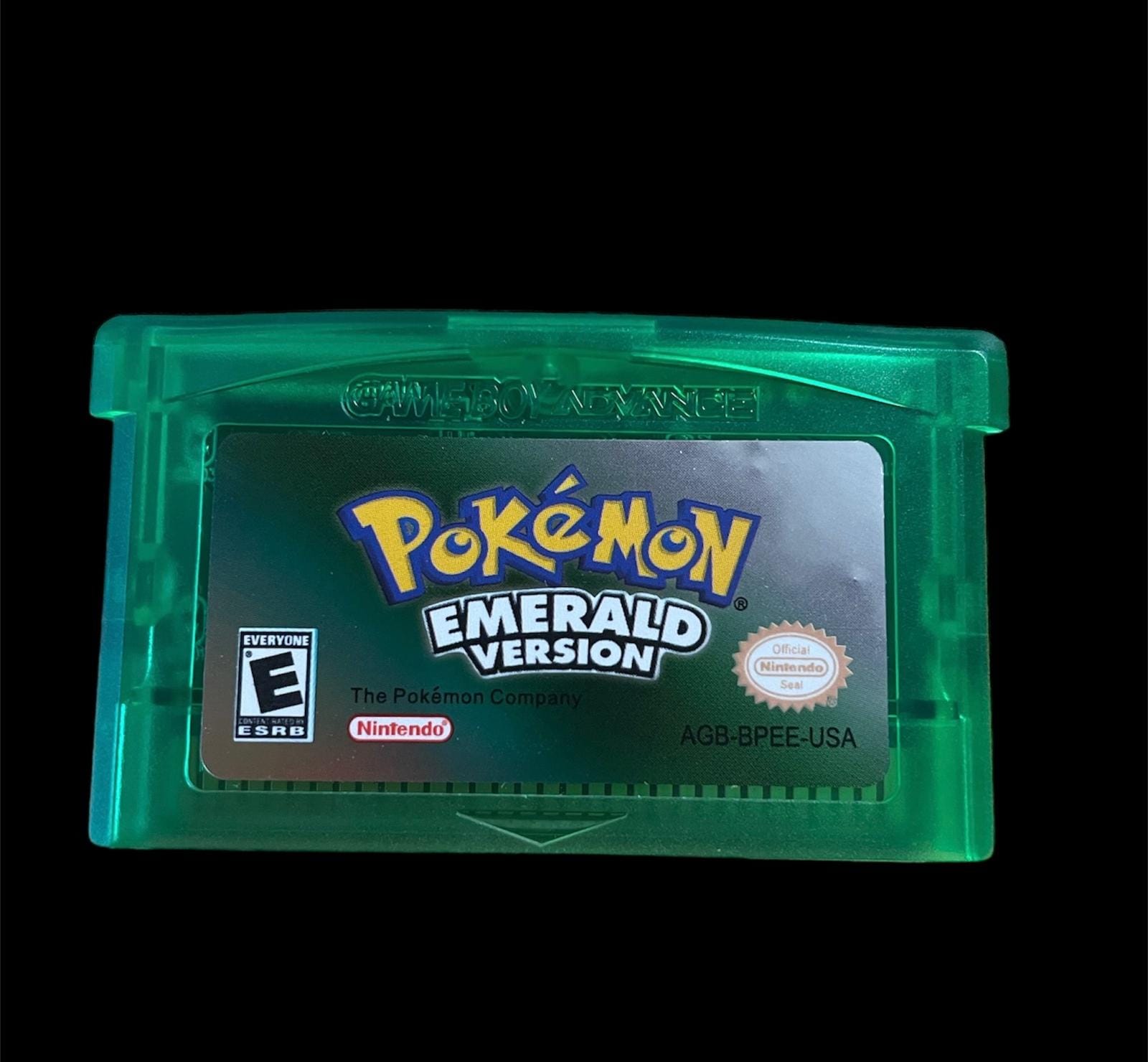
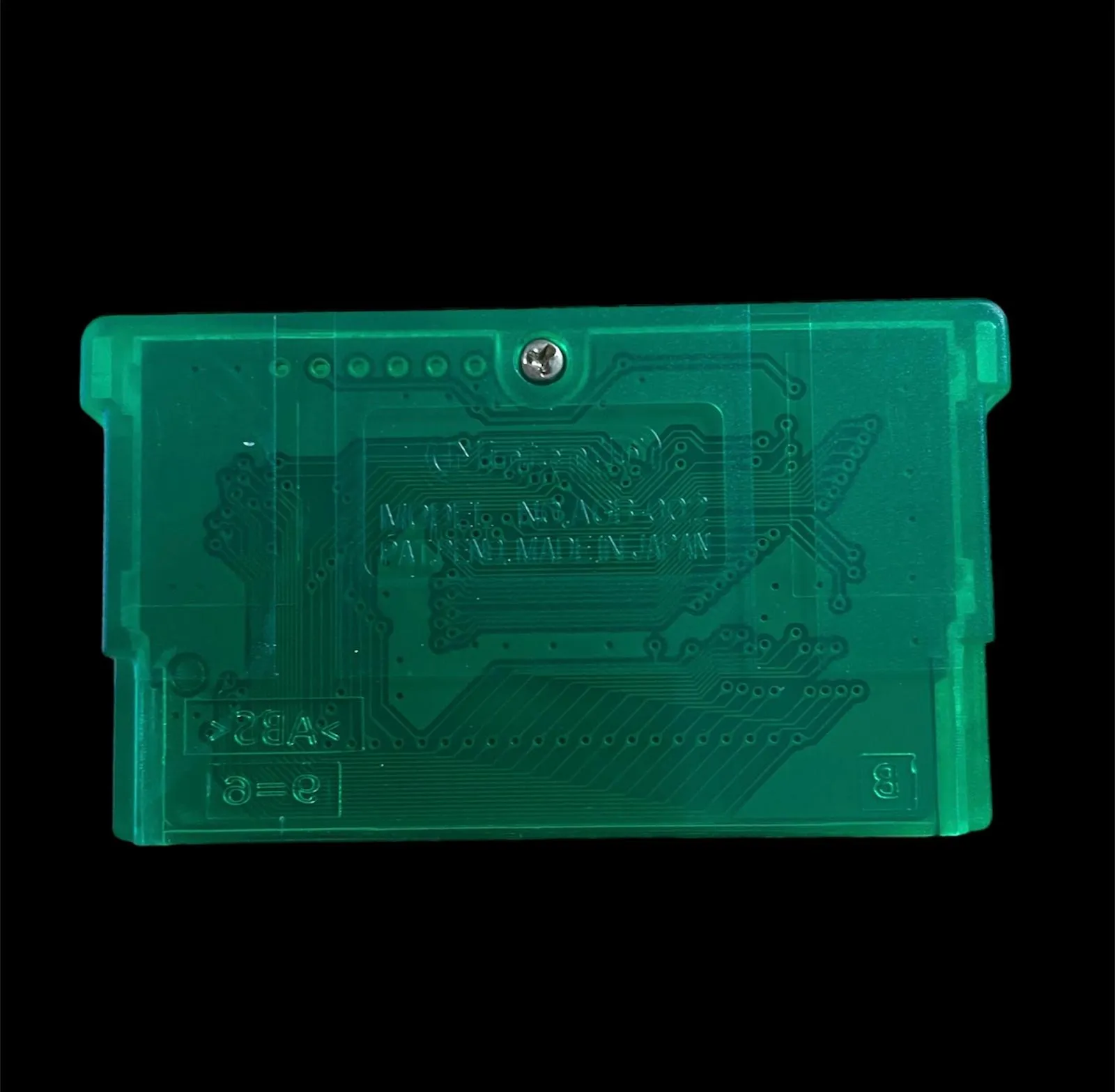
Pokemon Emerald is the definitive version of the third generation Pokemon experience, released by Game Freak and Nintendo for the Game Boy Advance in Japan in 2004 and internationally in 2005. Building on the foundations of Pokemon Ruby and Sapphire, Emerald unfolds across the sun-drenched Hoenn region and raises the stakes dramatically by featuring both villainous teams — Team Magma and Team Aqua — as active antagonists. Both teams successfully awaken their legendary Pokemon, Groudon and Kyogre, plunging Hoenn into chaos as the continent is torn between drought and flooding. Only the player can summon the sky dragon Rayquaza to restore order.
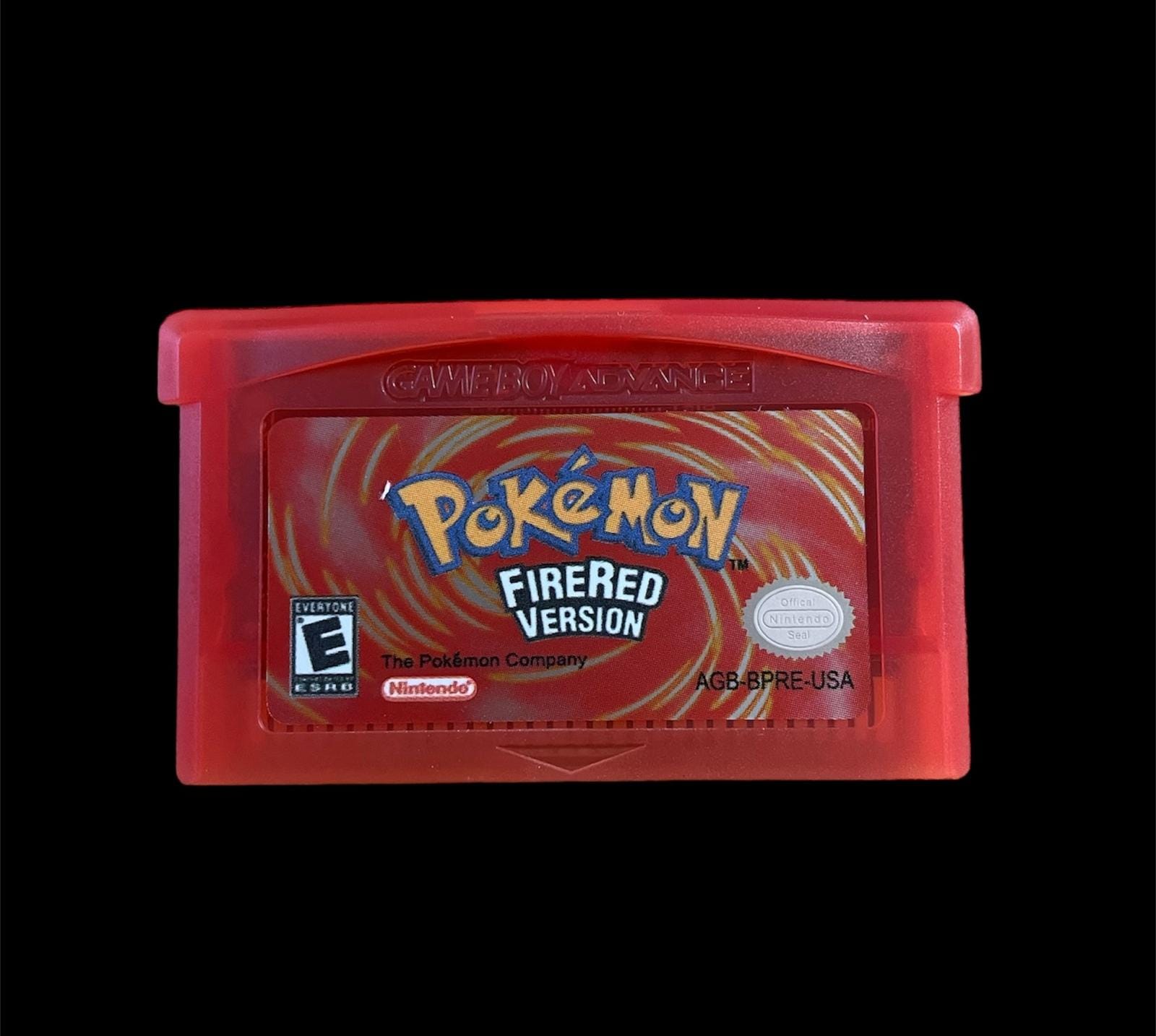
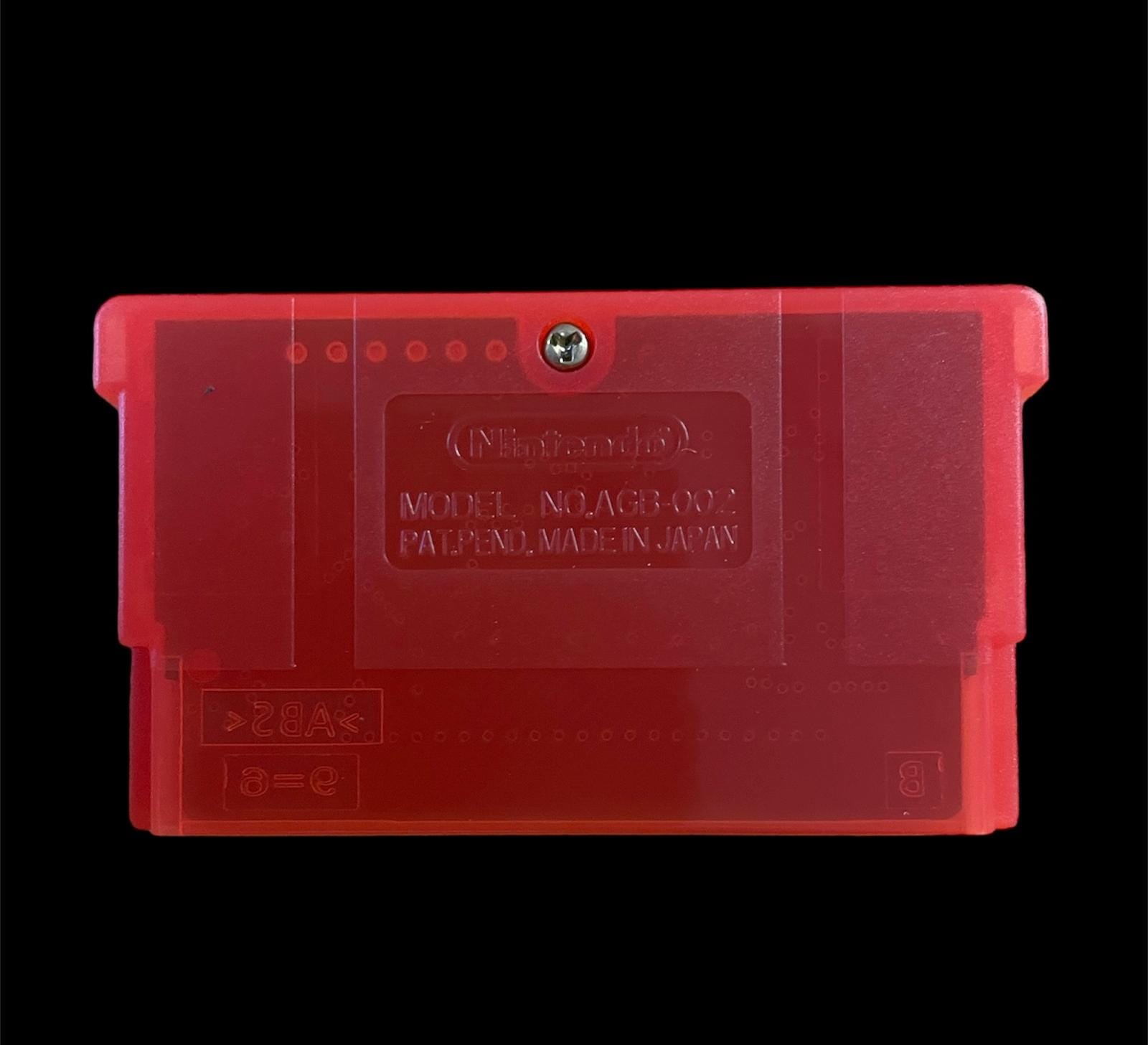
Pokemon FireRed is one half of the landmark Game Boy Advance remakes released by Game Freak and Nintendo in 2004, lovingly recreating the very first Pokemon generation for players who had grown up with the series as well as those discovering Kanto for the first time. FireRed reimagines the original Pokemon Red adventure with the full graphical and mechanical upgrade of the Game Boy Advance era, adding the Generation III battle system — abilities, natures, double battles, and the physical/special move split — to the timeless journey through towns like Pallet, Cerulean, and Lavender. It was the first Pokemon remake in what became one of the franchise's most celebrated recurring traditions.
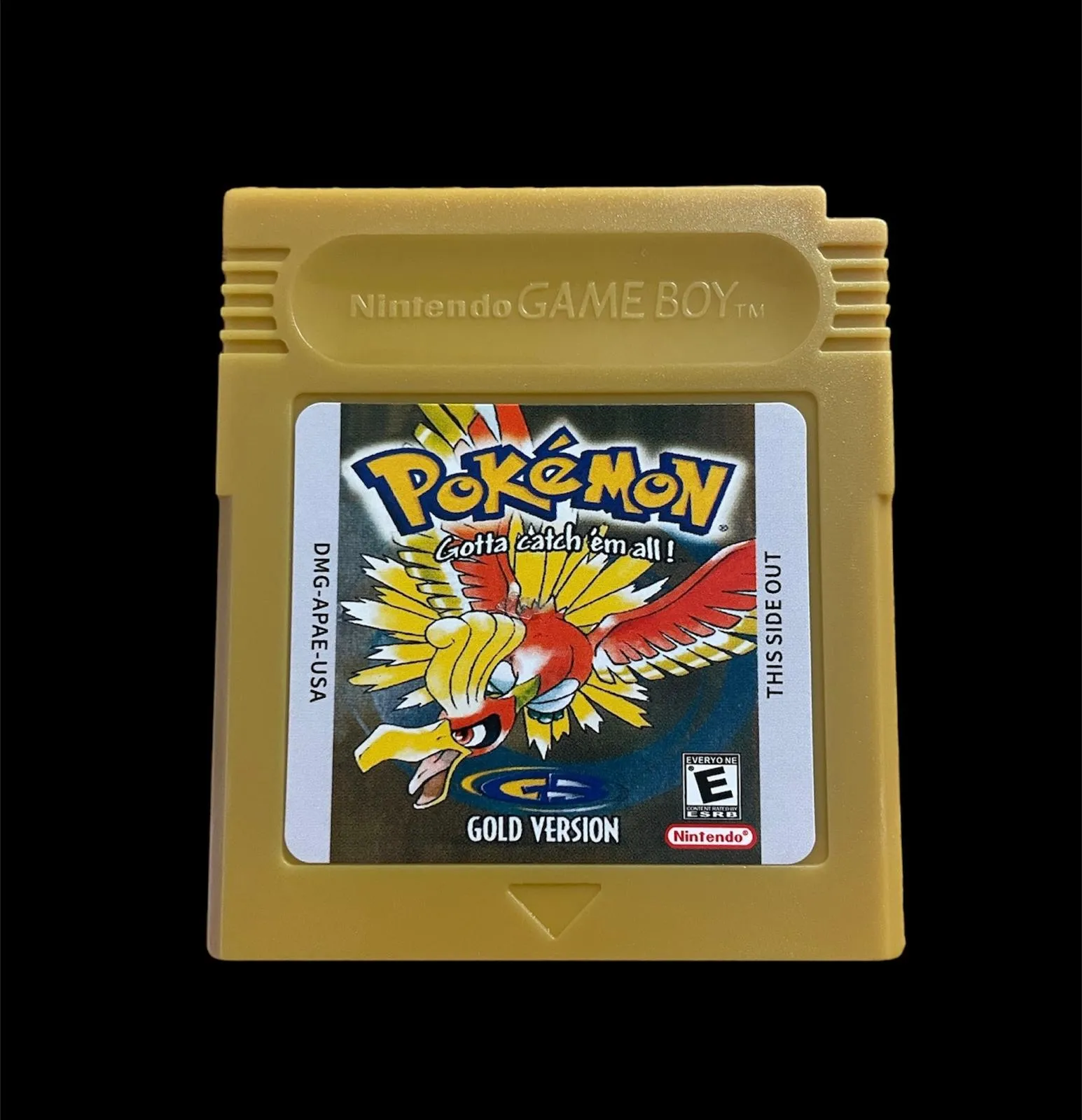
Pokemon Gold is one of the most celebrated entries in the entire Pokemon franchise, representing the leap into Generation II when it launched in Japan in 1999 and reached Western shores in 2000. Developed by Game Freak and published by Nintendo for the Game Boy Color, it introduced 100 brand-new Pokemon species, two new elemental types in Steel and Dark, and the revolutionary real-time internal clock system that made the world of Johto feel genuinely alive, with different Pokemon appearing at different times of day and events tied to specific days of the week.
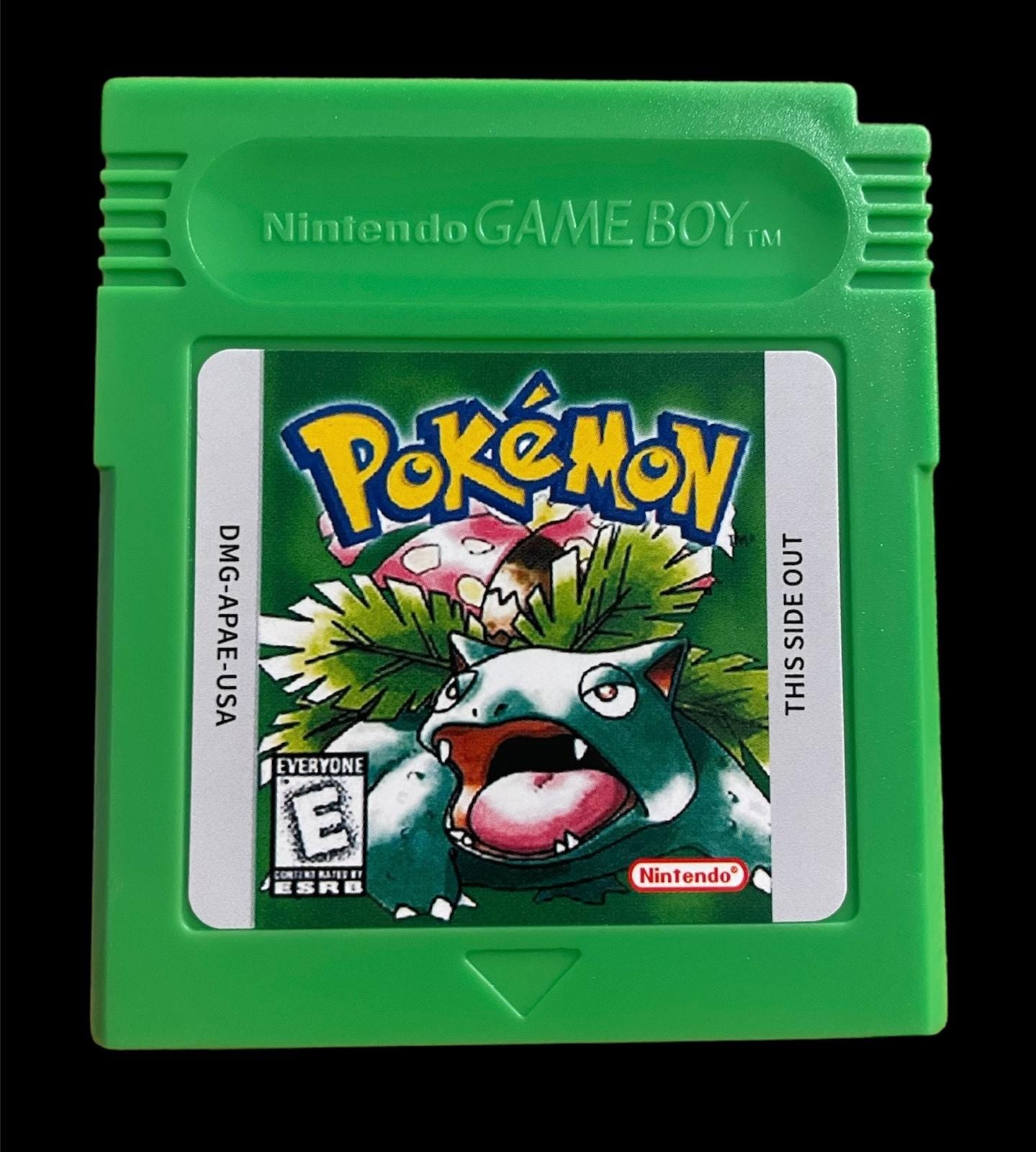
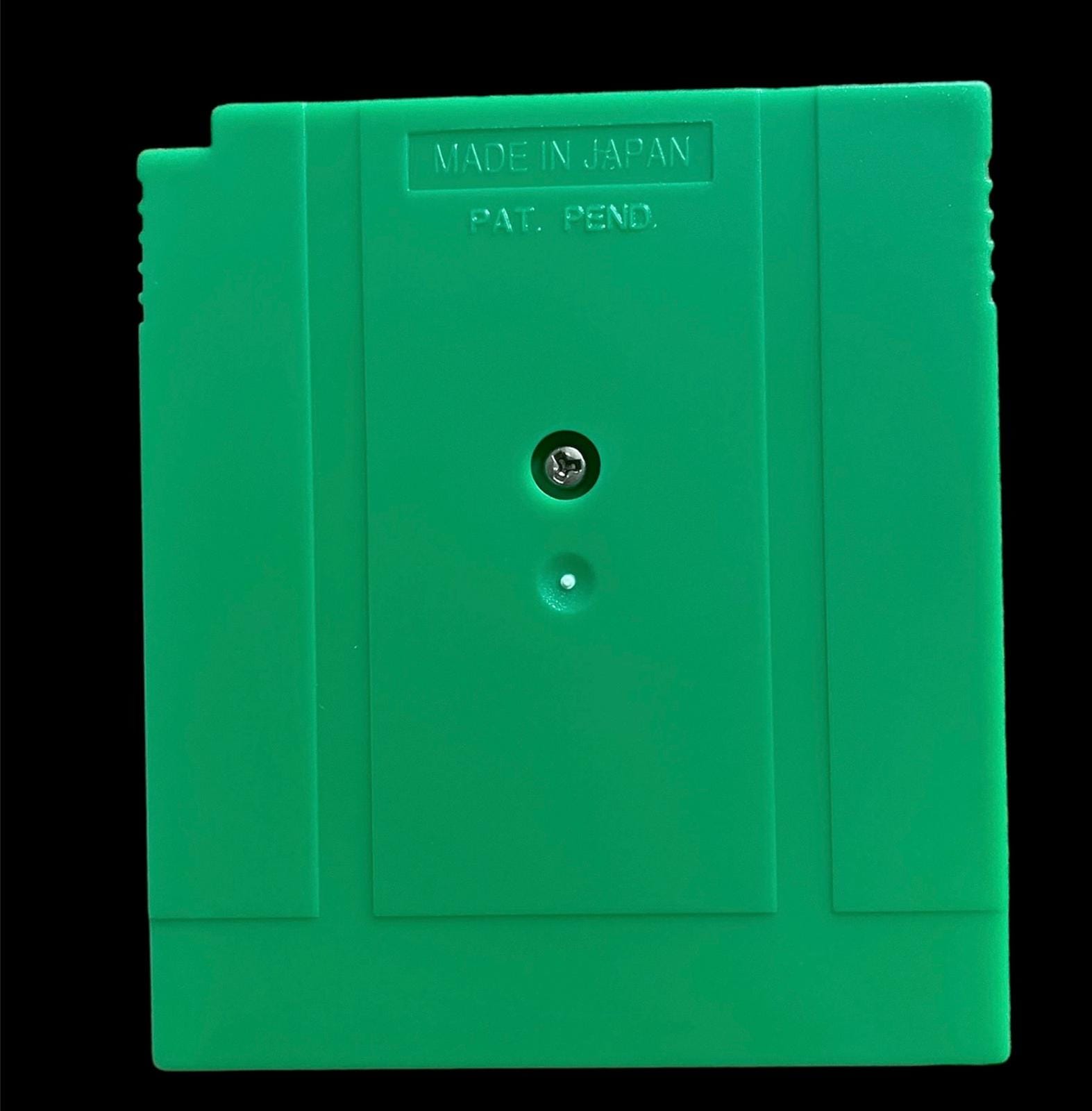
Pokémon Green Version — known in Japan as Pocket Monsters Midori — is the rarest and most historically significant of the original Generation I Pokémon titles. Released on February 27, 1996 in Japan alongside Pocket Monsters Red, it was the very first Pokémon game ever commercially sold, making it a genuine piece of gaming history. While Western players received the improved Red and Blue versions in 1998, Pokémon Green was never officially released outside Japan and remained a fascinating curiosity on the playground for years. The game uses the same core RPG structure as the later international releases — journey across Kanto, battle eight Gym Leaders, collect 151 Pokémon — but with the original, rougher sprite artwork that was later redesigned for the international editions.
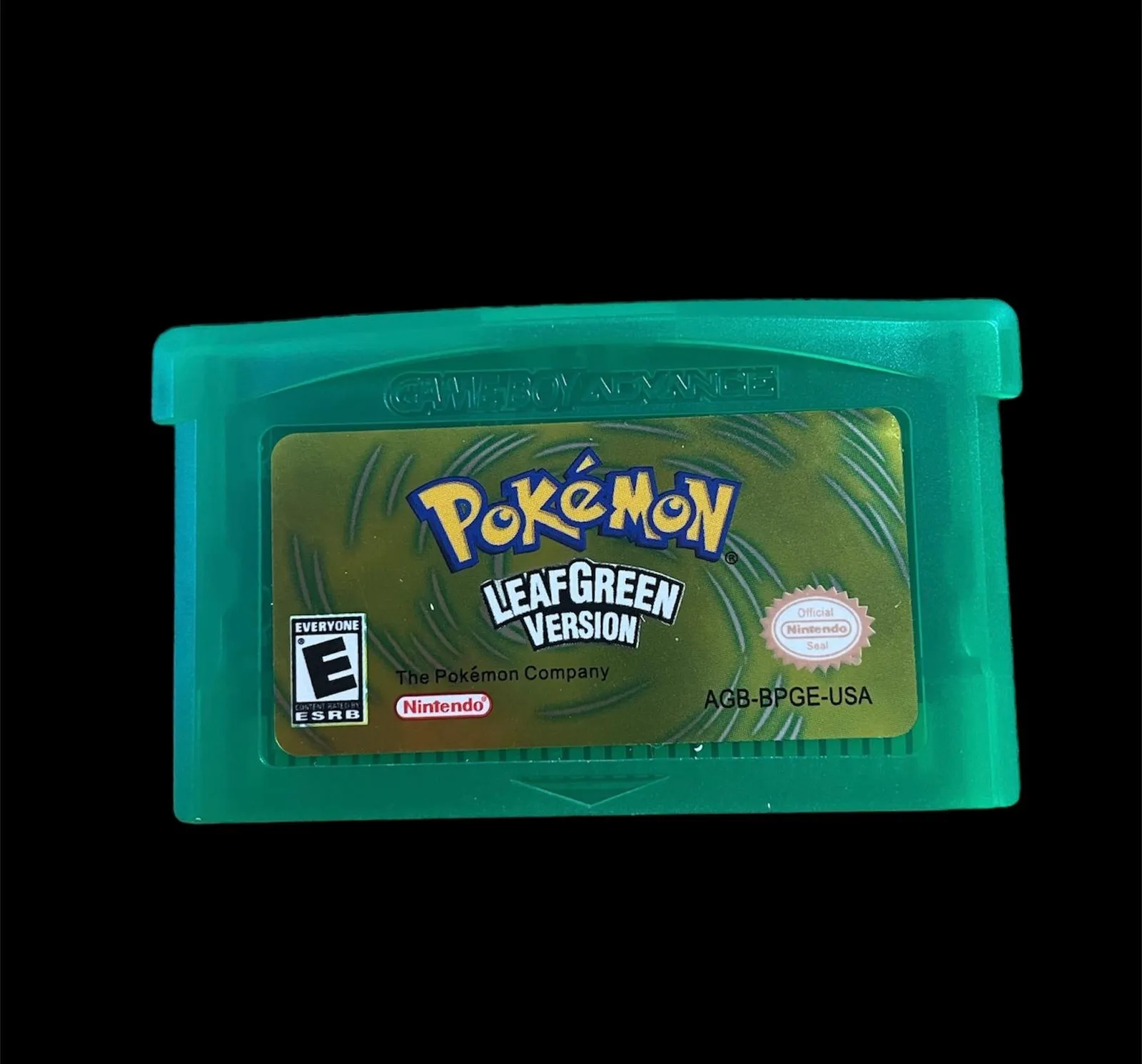
Pokemon LeafGreen is one half of the beloved pair of Game Boy Advance remakes released by Game Freak and Nintendo in 2004, reimagining the very first Pokemon adventure for a new generation of players. Together with Pokemon FireRed, it brought the original Kanto region — the setting of the 1996 classics Pokemon Red and Green — to life with fully updated Generation III mechanics, vibrant new graphics, and expanded content that made the journey feel fresh even for veterans who had explored Pallet Town years before. LeafGreen is the counterpart version, with its own set of version-exclusive Pokemon and the iconic Bulbasaur-green aesthetic.
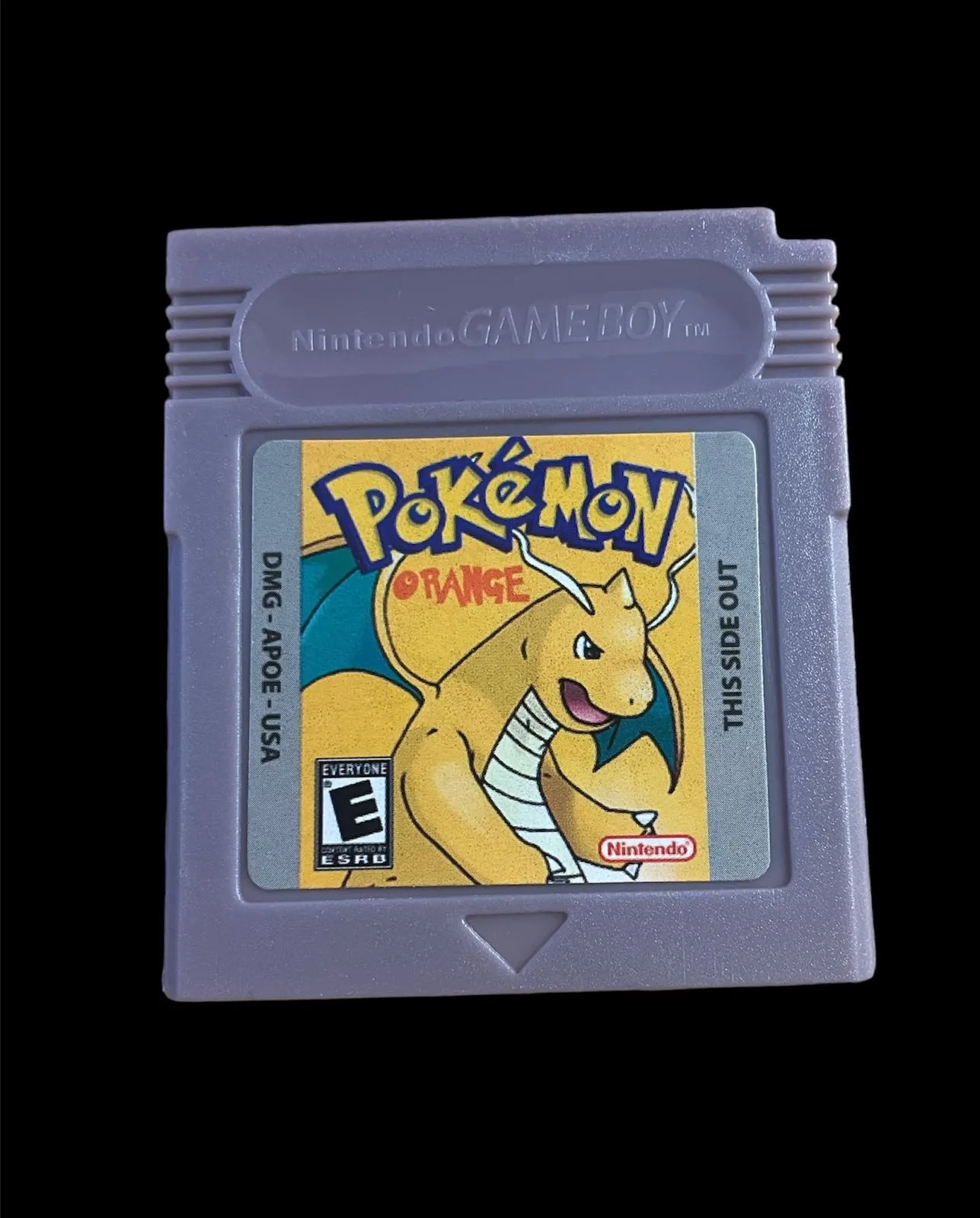
Pokemon Orange is a fan-made ROM hack of Pokemon Crystal for the Game Boy Color, developed by PiaCarrot and a team of skilled hackers with the goal of creating the Orange Islands adventure that Game Freak never officially made. The Orange Islands were introduced as a filler arc in the Pokemon anime while Generation II was still in development, featuring a unique league structure, tropical island settings, and regionally distinct variants of familiar Pokemon that predated the concept of regional forms by decades. This hack takes that anime storyline and translates it into a complete, playable game that sits comfortably alongside the official GBC entries in terms of design quality.
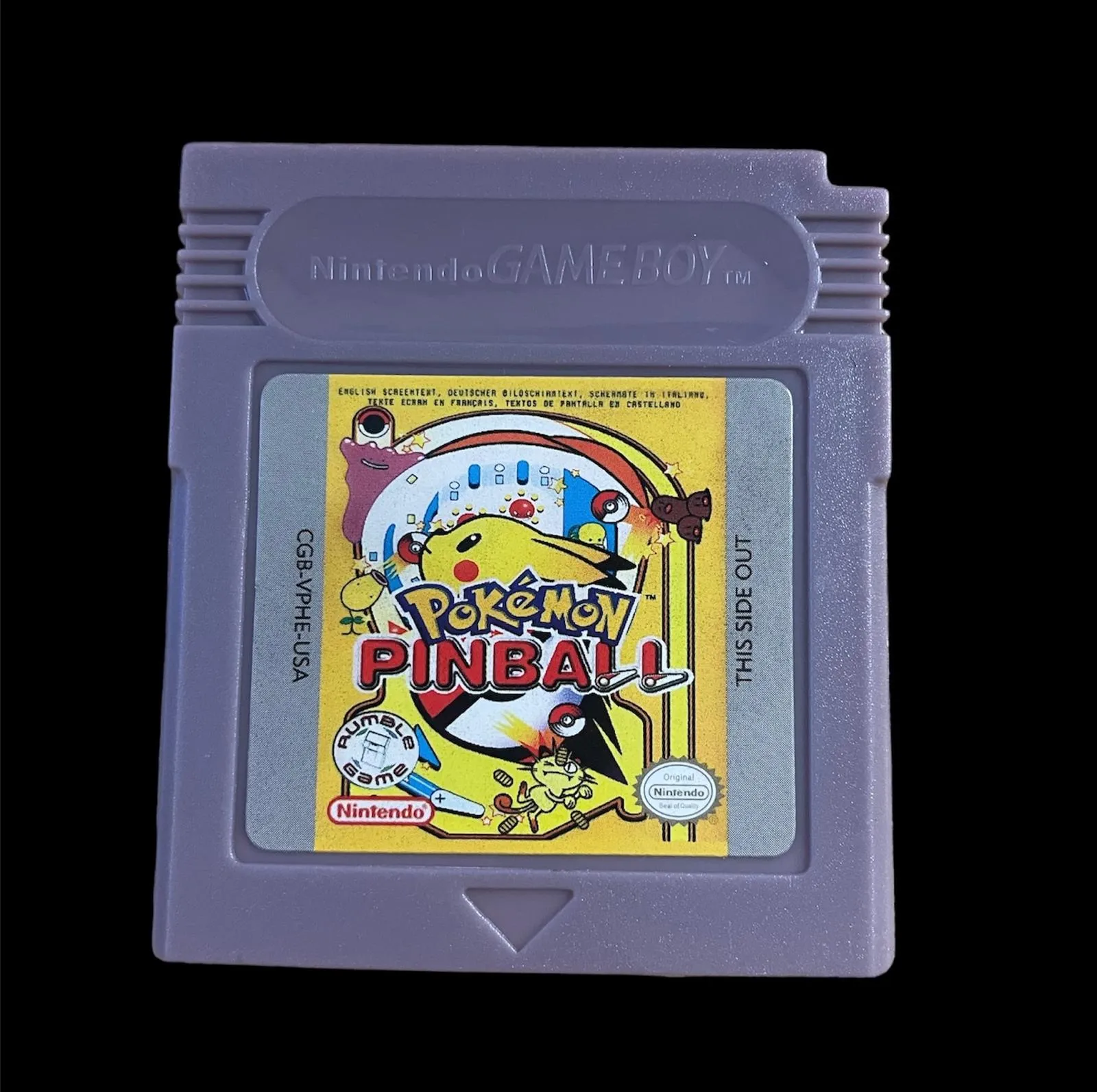
Pokemon Pinball for the Game Boy Color is a delightfully creative spin-off that launched in 1999, taking the world of Pokemon and wrapping it around a fully-featured pinball experience. Developed by Jupiter Corporation and published by Nintendo, it features two distinct tables — a Red Field and a Blue Field — each themed around different areas and Pokemon from the original 151, with the objective of catching all the Pokemon by activating catch modes and bonus stages on the tables. The game draws visual inspiration from the original Red and Blue games, giving it a look that feels comfortably familiar to any fan of the series.
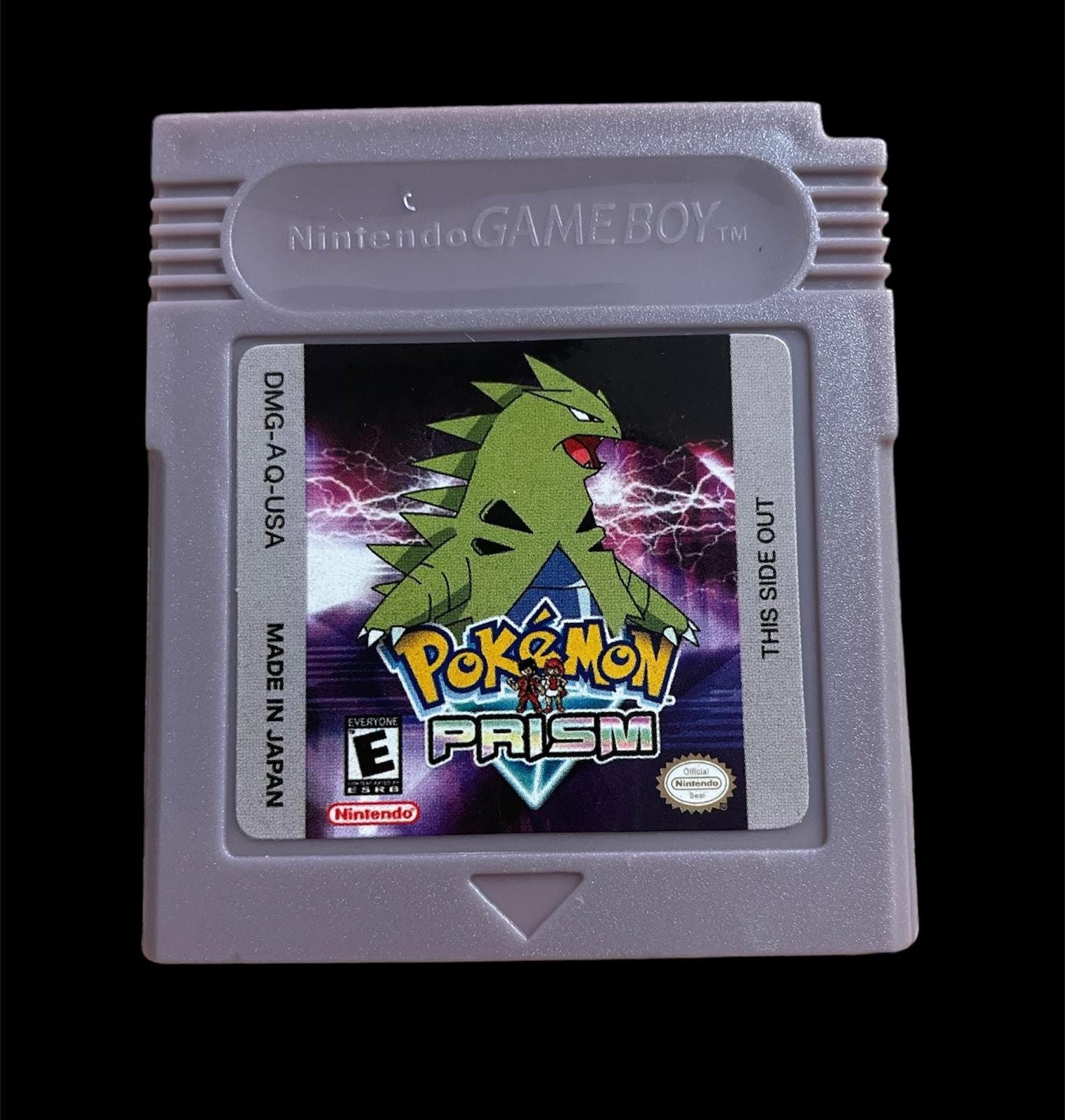
Pokémon Prism is one of the most ambitious and celebrated fan-made ROM hacks in the entire Pokémon community. Built on the foundation of Pokémon Crystal for the Game Boy Color, it was developed over the course of eight years by Adam Vierra — known online as Koolboyman — with significant contributions from the Twitch Plays Pokémon development team. The game serves as a sequel to his earlier hack Pokémon Brown, and follows the child of Lance from the main series as they explore the vast new region of Naljo, a sprawling adventure larger than Gold and Silver's Johto. The Pokédex spans 253 creatures drawn from the first four generations, with new type combinations and custom TMs adding fresh strategic depth.
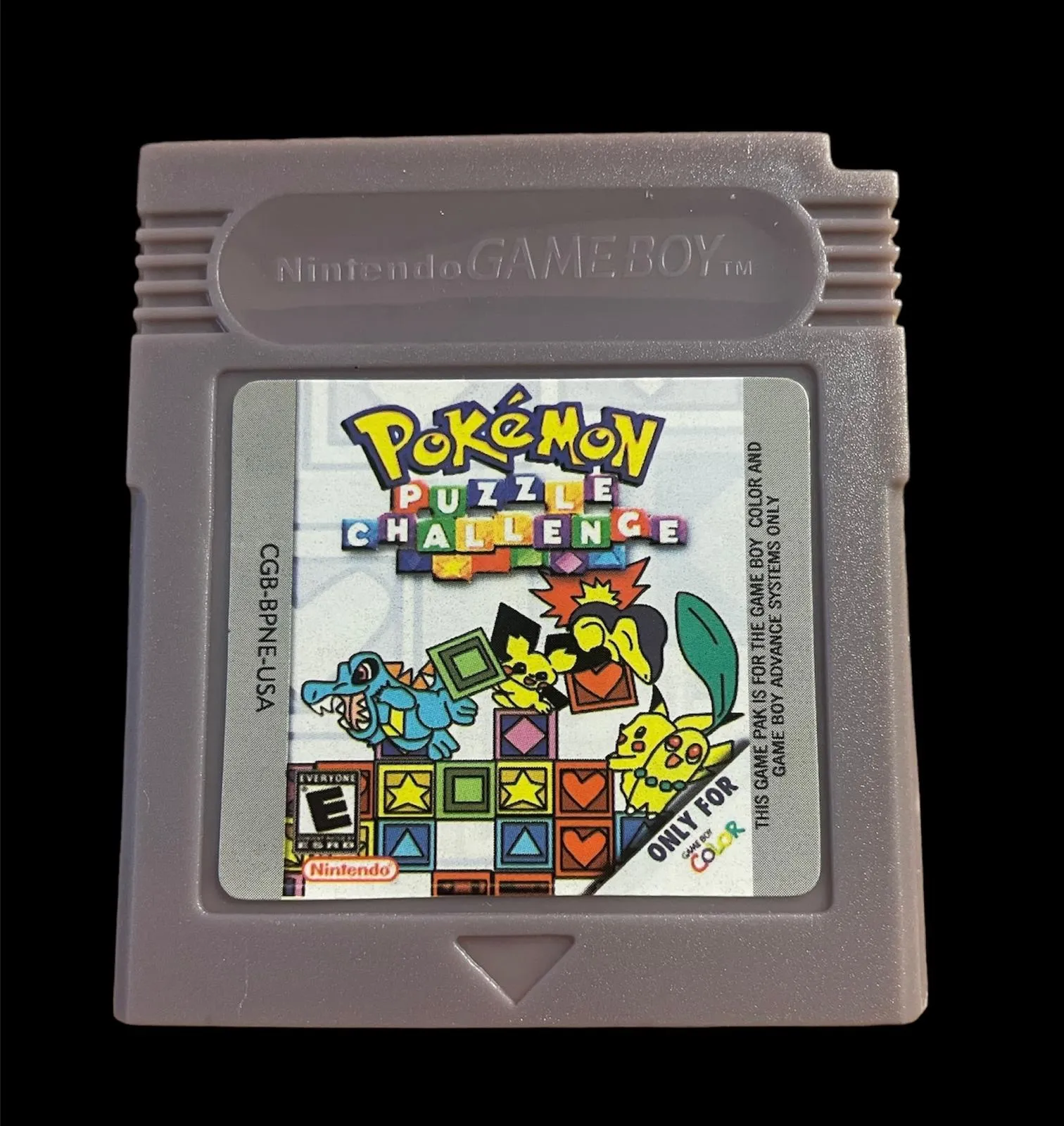
Pokemon Puzzle Challenge is a wonderfully addictive puzzle game developed by Intelligent Systems and published by Nintendo for the Game Boy Color, released in Japan in September 2000 with Western releases following that same year. It is the second Pokemon-themed entry in the Puzzle League series — a franchise rooted in the same falling-block gameplay as Panel de Pon and Tetris Attack — and draws its visual and musical inspiration from Pokemon Gold and Silver, featuring characters and remixed tunes from the Johto region. Rather than the anime-based aesthetic of its Nintendo 64 counterpart, Puzzle Challenge has the look and feel of a proper Generation II companion game.
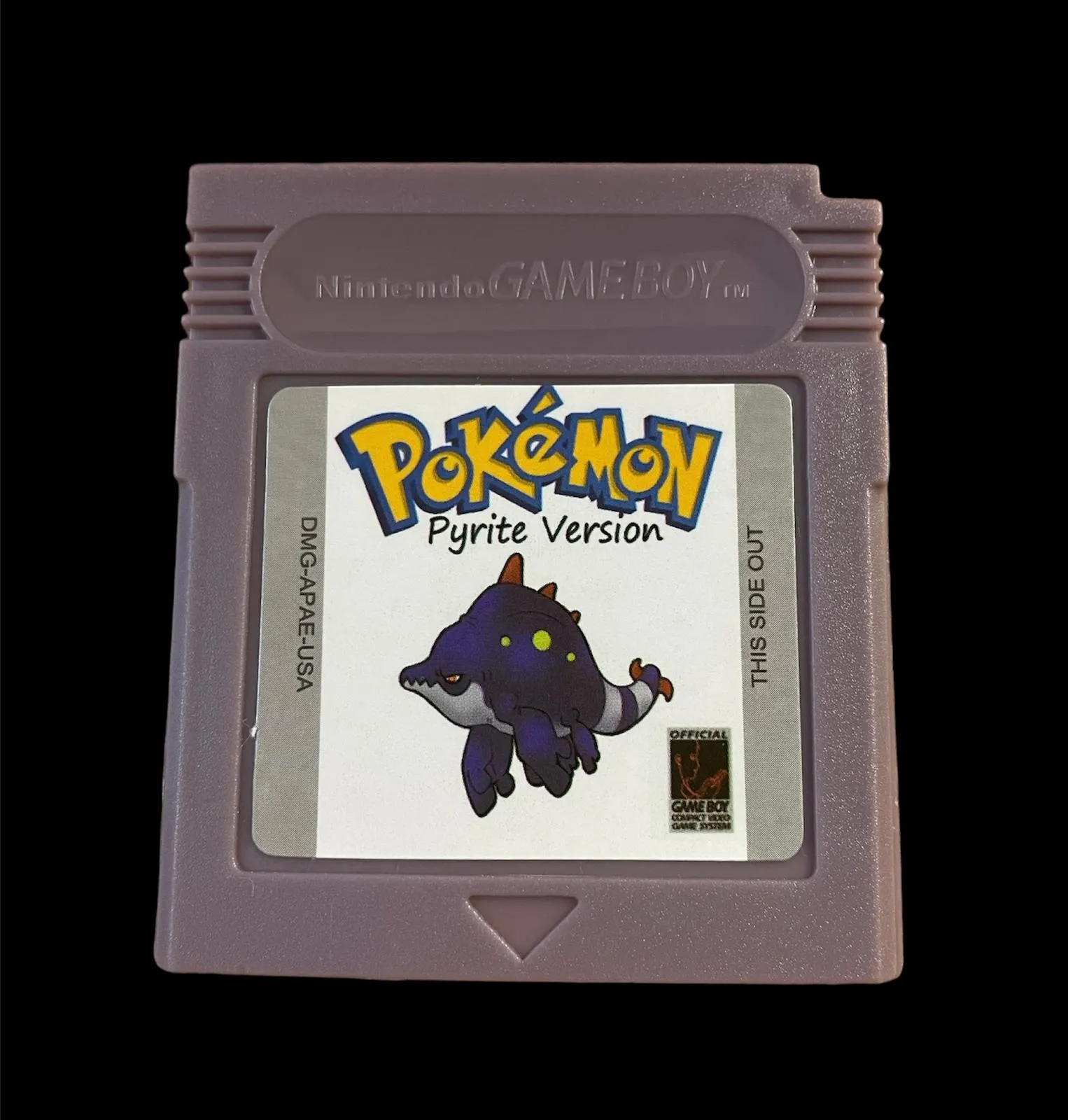
Pokemon Pyrite is a well-crafted ROM hack of Pokemon Crystal for the Game Boy Color, created by developer Crystal_ and designed to offer a more challenging and comprehensive take on the beloved Generation II adventure. The story follows the same Johto journey as the classic game — defeating eight gym leaders, tackling Team Rocket, and facing the Pokemon League — but the game has been extensively reworked under the hood to deliver a noticeably tougher experience throughout. Around 100 additional trainers have been carefully distributed across the game world, each given handpicked teams and custom movesets.
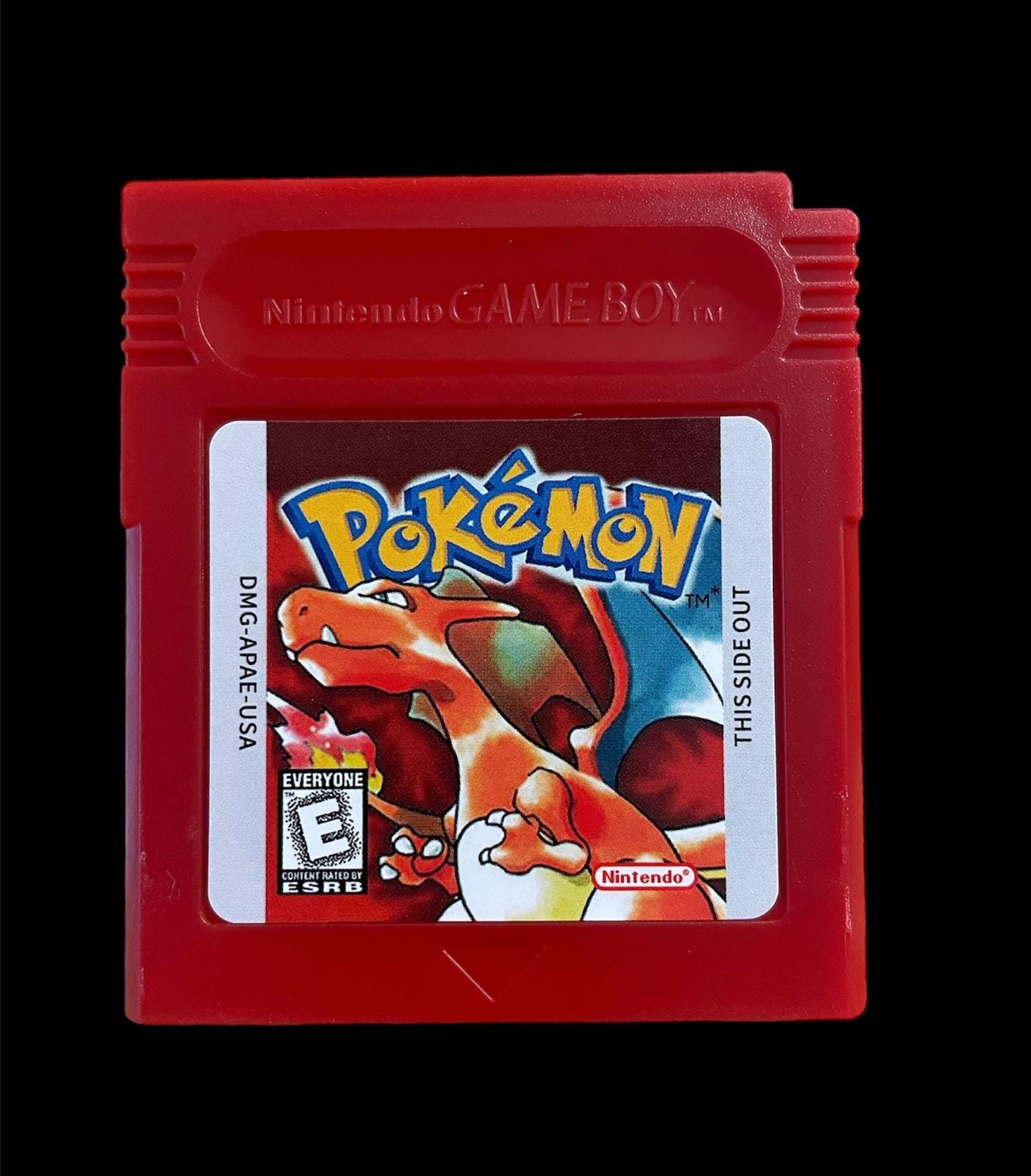
Pokémon Red Version is the game that started one of the most remarkable cultural phenomena in entertainment history. Released in Japan on February 27, 1996 as Pocket Monsters Red alongside the companion Pocket Monsters Green, and then internationally in 1998 as Pokémon Red, it introduced players worldwide to the Kanto region and the concept of catching, training, and battling creatures called Pokémon. Developed by Game Freak and published by Nintendo, the game was conceived by Satoshi Tajiri as a way to recreate the childhood experience of collecting insects — and the resulting design, centred on filling a Pokédex by catching 151 different species, proved to be one of the most compelling gameplay loops ever conceived.
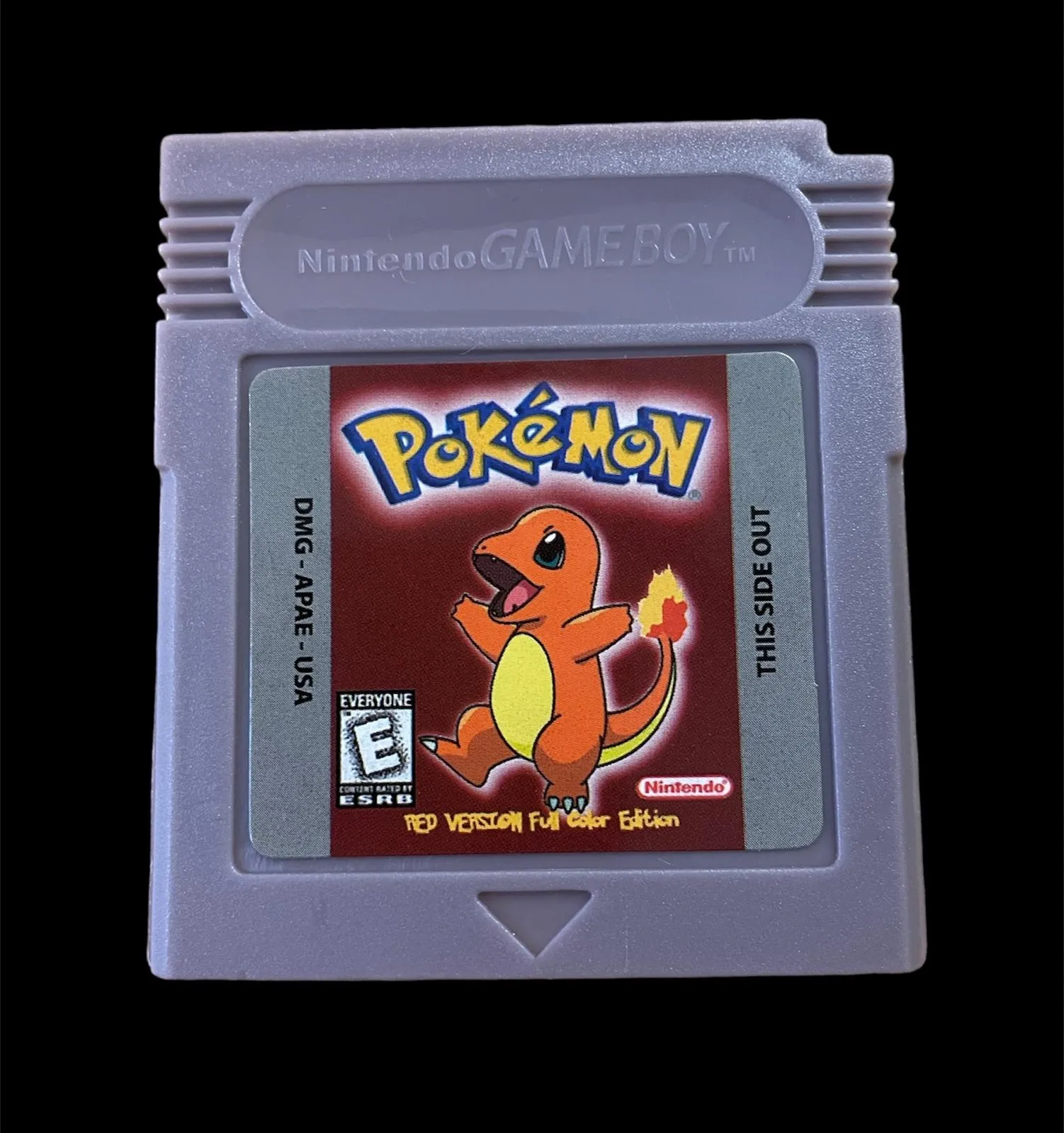
Pokémon Red Version is the game that started it all. Released in Japan in 1996 as Pocket Monsters Red and arriving in North America in September 1998, this Game Freak and Nintendo production launched what became the best-selling video game franchise in history. You step into the shoes of a young Trainer in Pallet Town, receive one of three starter Pokémon from Professor Oak — Bulbasaur, Charmander, or Squirtle — and set off on a journey to collect all 151 Pokémon, earn eight Gym Badges, and defeat the Elite Four and the Champion. Along the way, you unravel the schemes of the villainous Team Rocket and build a team of creatures through turn-based battles that reward type knowledge, strategy, and careful stat management.