Shop Catagories
00

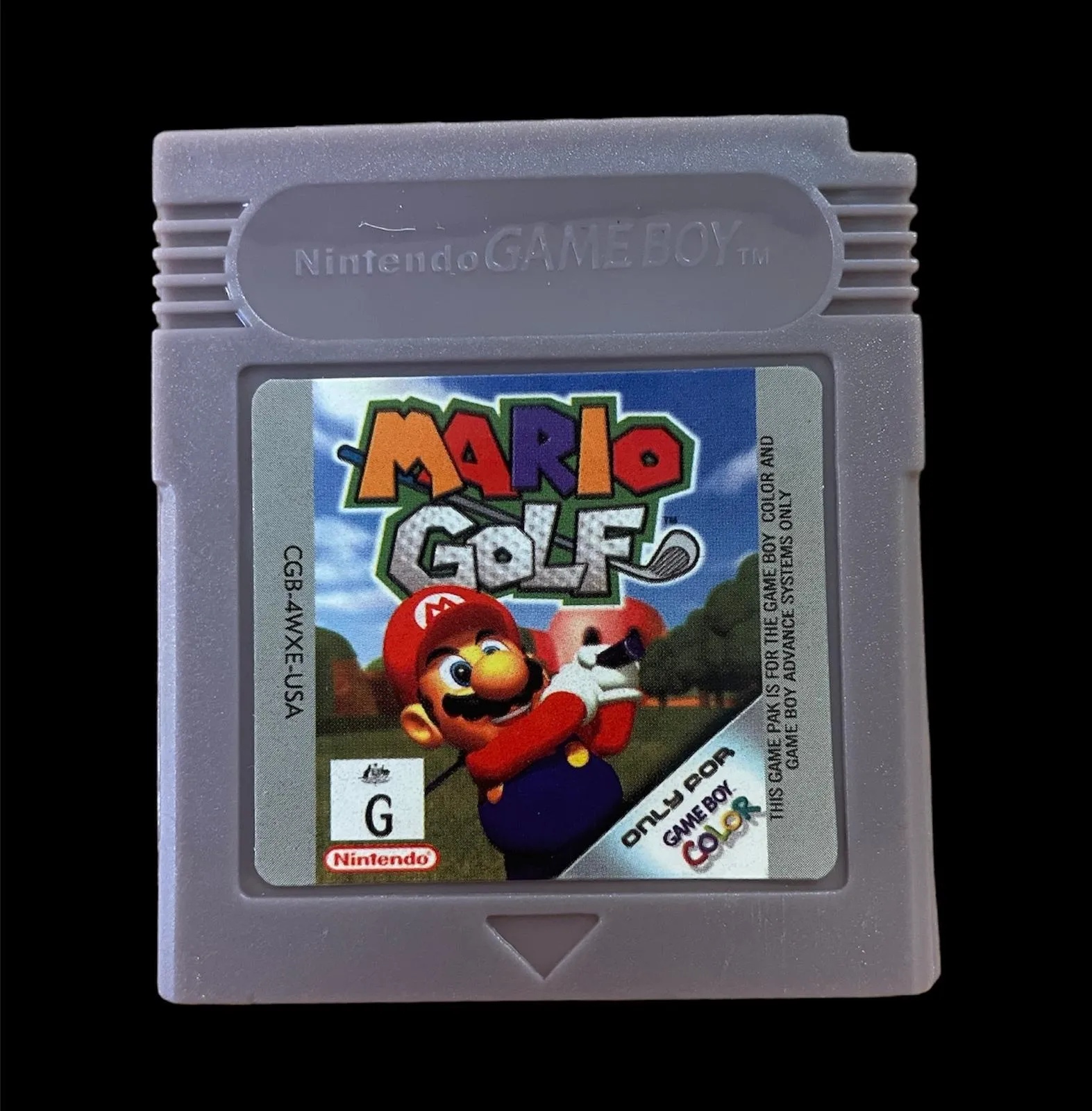
Mario Golf for Game Boy Color, released in 1999 and developed by Camelot Software Planning, was the first Mario Golf title to appear on a handheld system and remains one of the most impressive GBC sports games ever made. Much like its companion title Mario Tennis, this is not simply a stripped-down arcade golf game — it features a full RPG-style story mode in which you create your own character and work through club tournaments, levelling up attributes like drive power, shot height, draw/fade, and control as you gain experience on the course. The familiar Mario cast turns up as opponents and unlockable characters, including Wario, adding personality and variety to the competition. Five 18-hole courses give the game remarkable longevity for a portable release, and the shot system is approachable for newcomers while offering real depth.
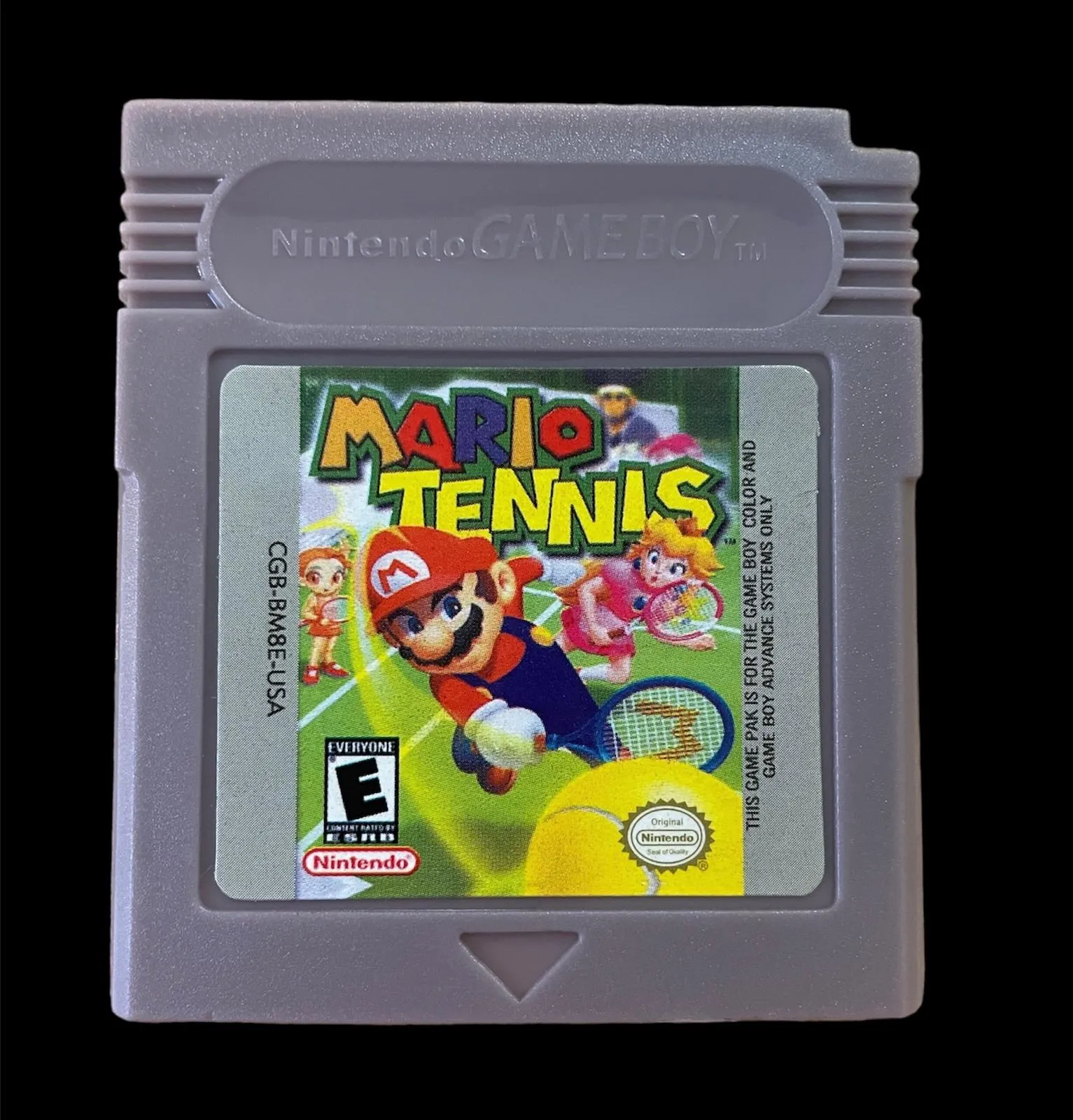
Mario Tennis for Game Boy Color arrived in Japan in late 2000 and reached Western shores in early 2001, developed by Camelot Software Planning — the same studio behind the beloved N64 version released earlier that year. This handheld edition is a remarkably deep game in its own right, built around an RPG-style story mode called Mario Tour. You step into the shoes of either Alex or Nina, new students at the Royal Tennis Academy working their way through Junior, Senior, and Varsity ranks before entering the Island Open and ultimately facing Mario himself on Castle Court. As you play, your character levels up across four stats — Speed, Power, Spin, and Control — giving matches a satisfying sense of progression that keeps you coming back for more. The game launched Waluigi into the wider world, marking his first appearance in any Game Boy Color title and his debut as a series regular.
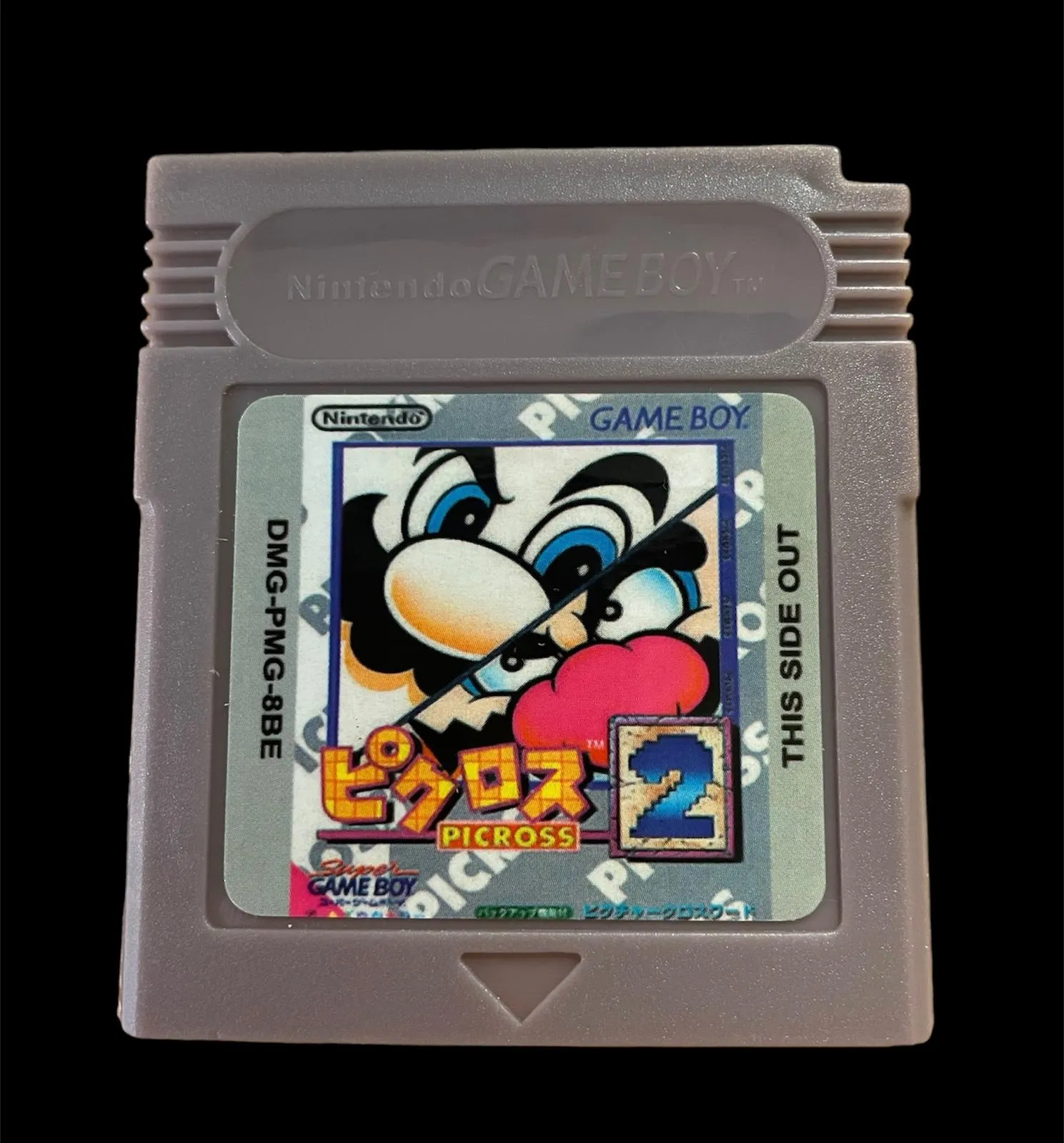
Mario's Picross 2 is the 1996 Game Boy sequel to the cult-classic Mario's Picross, developed by Jupiter Corporation and published by Nintendo exclusively for the Japanese market. The game expands enormously on the original formula, packing in 248 nonogram puzzles spread across Mario and Wario modes. Mario's mode features timed 30x30 puzzles split into 15x15 quadrants, while Wario's mode removes the helpful mistake indicators entirely, demanding pure logic and nerve. New to this entry are bonus Quick Picross stages where players rapidly form kana characters under a one-minute countdown, adding an extra layer of brain-bending fun. The game also offers full Super Game Boy support, including colour graphics and a cooperative two-player mode that lets a second player jump in via a second controller.
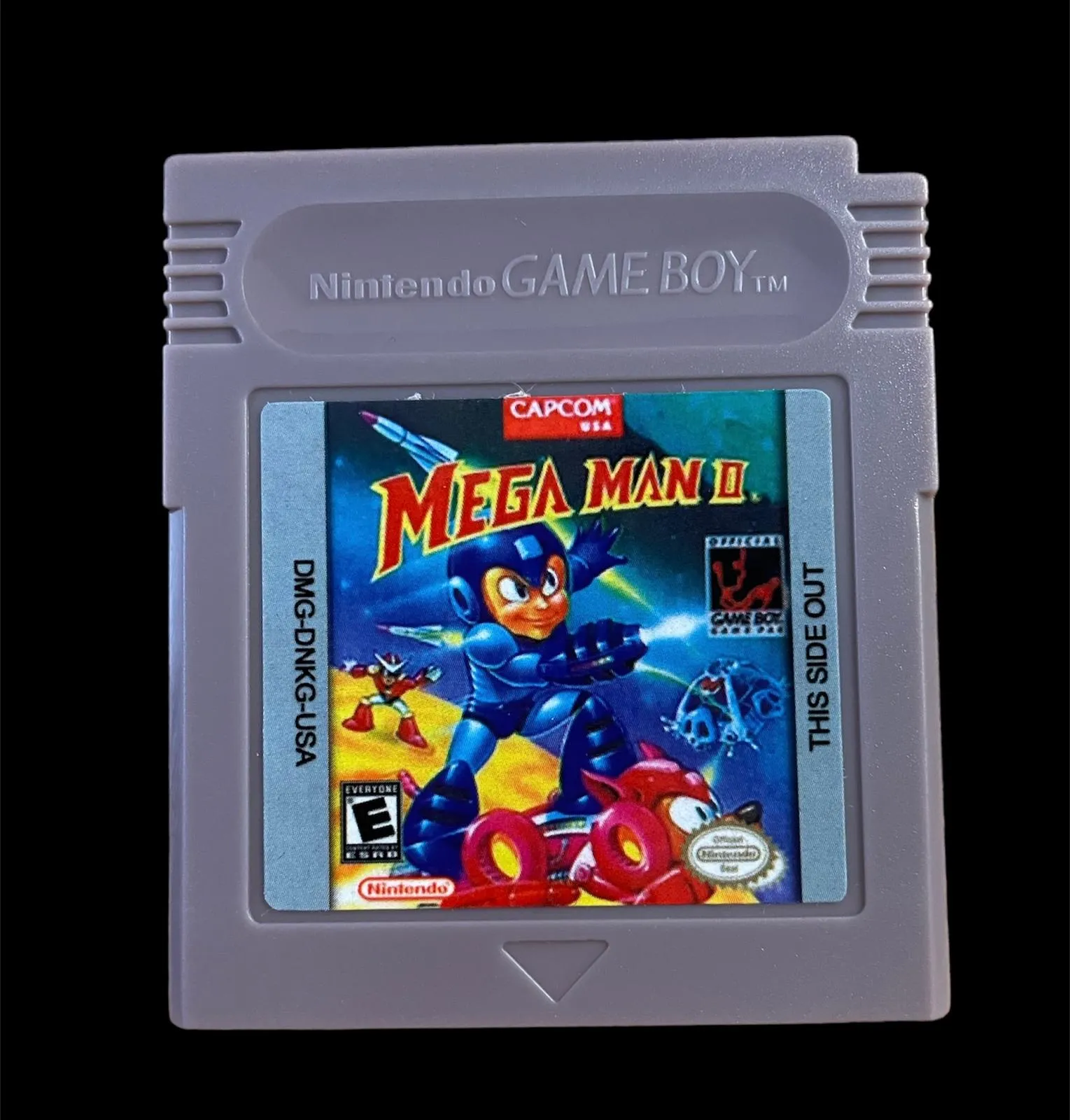
Mega Man II for the Game Boy, published by Capcom in 1991, is the second instalment in the handheld Rockman World series and a fascinating entry in the Blue Bomber's portable adventures. The game's storyline sends Mega Man after the eternally scheming Dr. Wily, who has stolen an experimental time machine — the Time Skimmer — from the world's Chronos Institute and used it to travel decades into the future. Following Wily through time, Mega Man faces Robot Masters drawn from both Mega Man 2 and Mega Man 3 on the NES, blending enemies from two classic 8-bit games into a single portable quest.
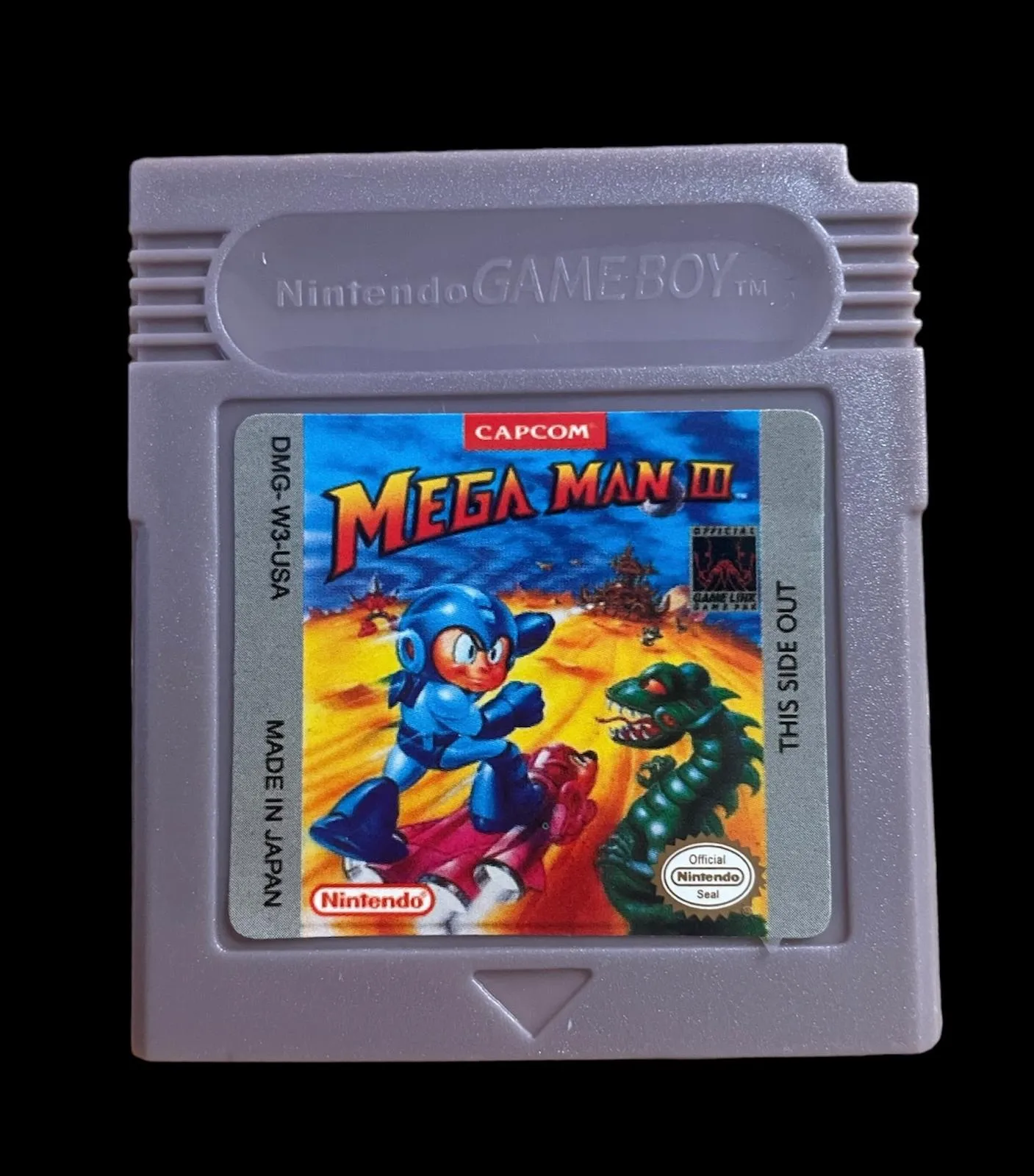
Mega Man III for the Game Boy is Capcom's third portable instalment in the series, developed by Minakuchi Engineering and released in 1992. Like its Game Boy predecessors, it takes bosses and stage design elements from two NES Mega Man games — in this case Mega Man 3 and Mega Man 4 — and reworks them into a standalone handheld adventure that stands confidently on its own merits. The blue bomber faces a new roster of eight Robot Masters before pursuing Dr. Wily to his fortress, and the game introduces the Mega Man Killer Punk, a powerful robot specifically engineered to destroy Mega Man, as a fortress mini-boss encounter.
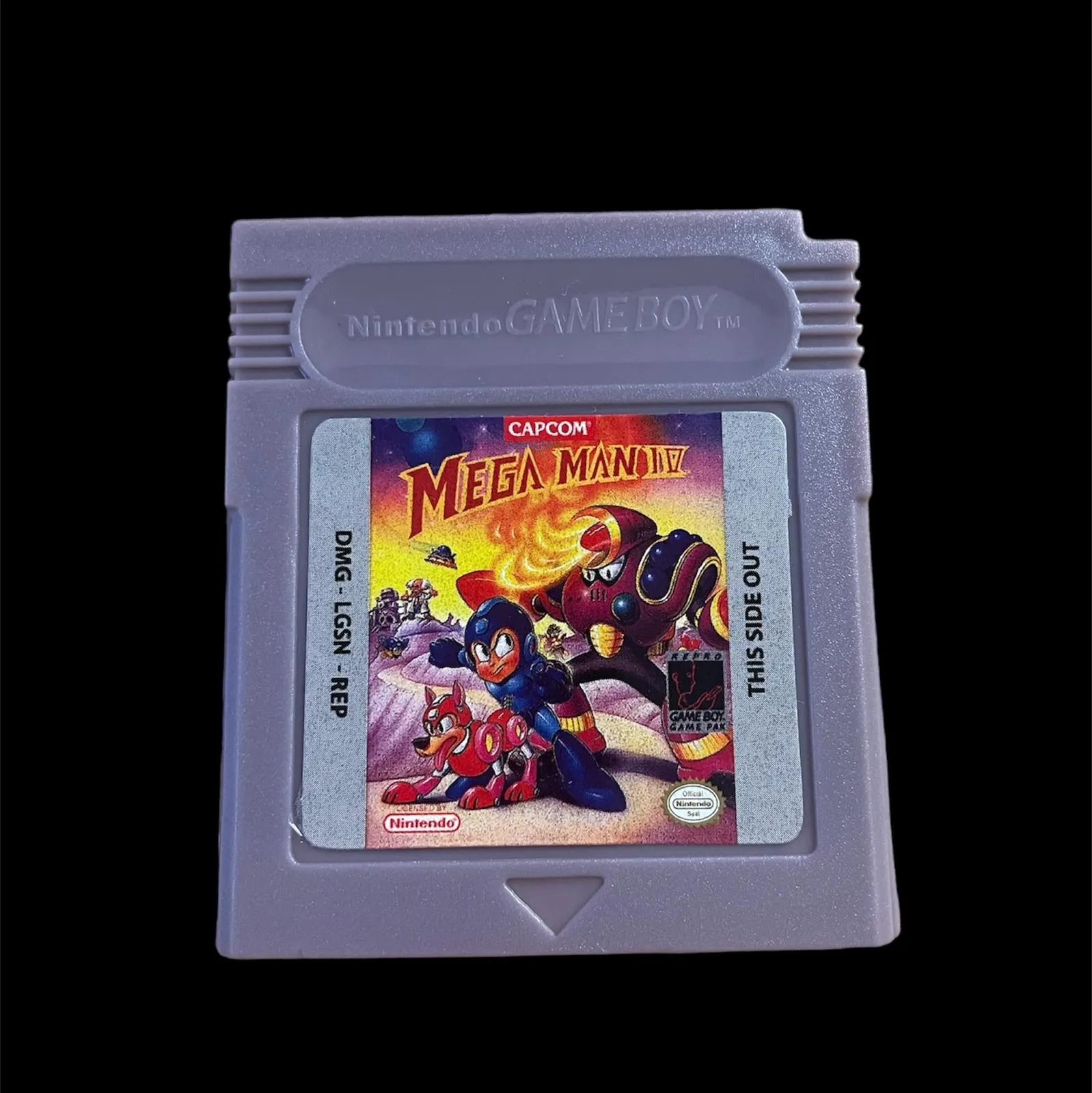
Mega Man IV for the Game Boy is the fourth entry in Capcom's beloved handheld Mega Man series, developed by Minakuchi Engineering and released in 1993. Following the pattern established by the earlier Game Boy titles, it blends Robot Masters from two consecutive NES entries — specifically Mega Man 4 and Mega Man 5 — into a single cohesive portable adventure. The story finds Dr. Wily deploying a disruptive radio signal to send robots at a city-wide exhibition into a destructive rampage, and Mega Man and Rush must fight through eight Robot Masters to track Wily to his secret space battleship. A memorable subplot involves Beat the robotic bird, whose scattered components must be recovered across the stages.
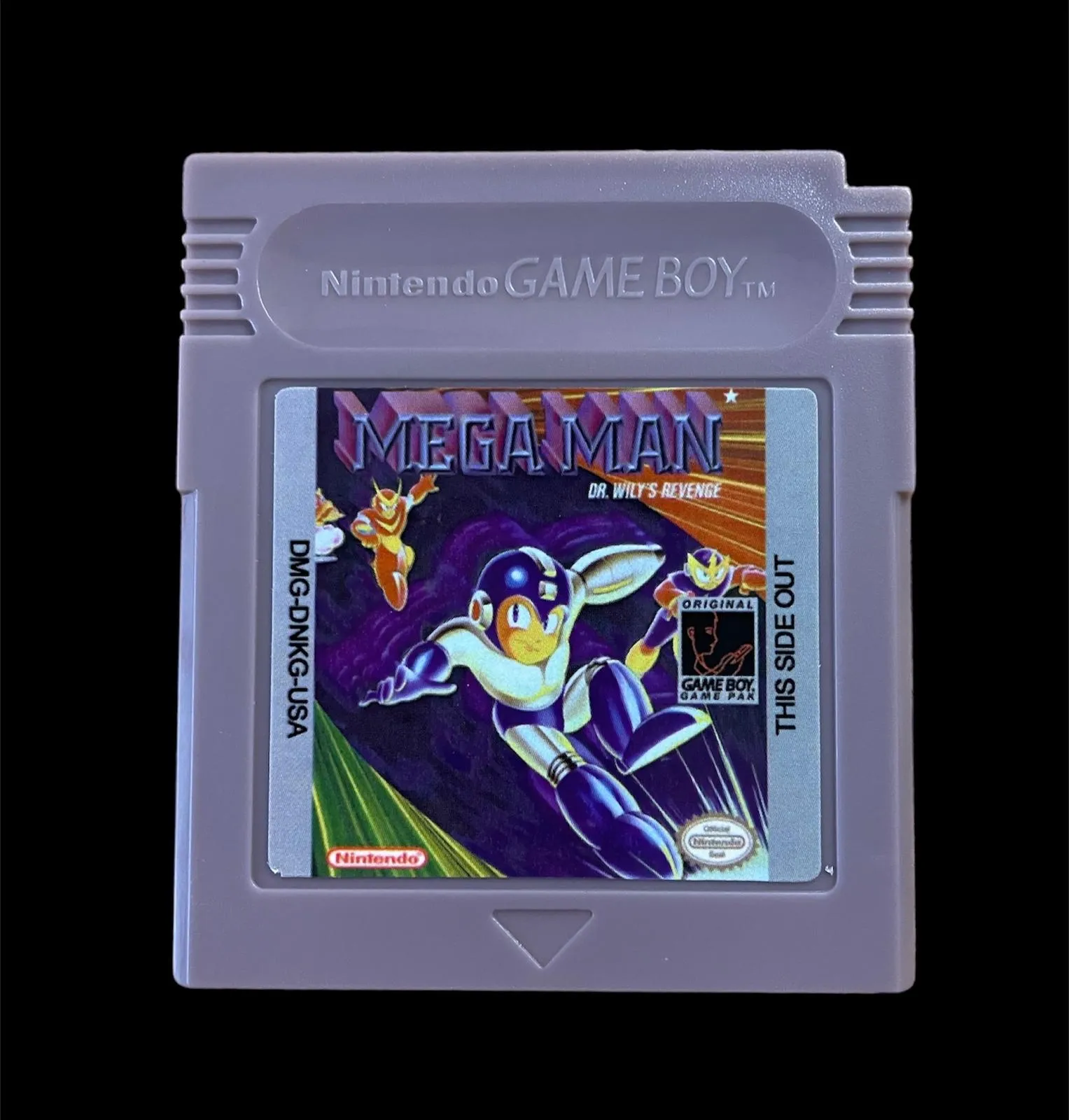
Mega Man: Dr. Wily's Revenge was the first Mega Man game to appear on the Game Boy, developed by Minakuchi Engineering and published by Capcom in July 1991 in Japan with a North American release following that December. Rather than a simple downport of an existing NES title, this is an entirely new game that cleverly borrows levels, enemies, and Robot Masters from both the original Mega Man and Mega Man 2, constructing a fresh experience for portable play. The story once again pits the Blue Bomber against Dr. Wily, who has reprogrammed Robot Masters to renew his quest for world domination. Four Robot Masters from the original NES Mega Man — Cut Man, Elec Man, Ice Man, and Fire Man — form the first set of selectable stages, with four Robot Masters from Mega Man 2 waiting in the Wily Castle. The game also introduces Enker, the first of the original "Mega Man Killer" characters created specifically for the Game Boy series, whose Mirror Buster weapon is key to the finale.
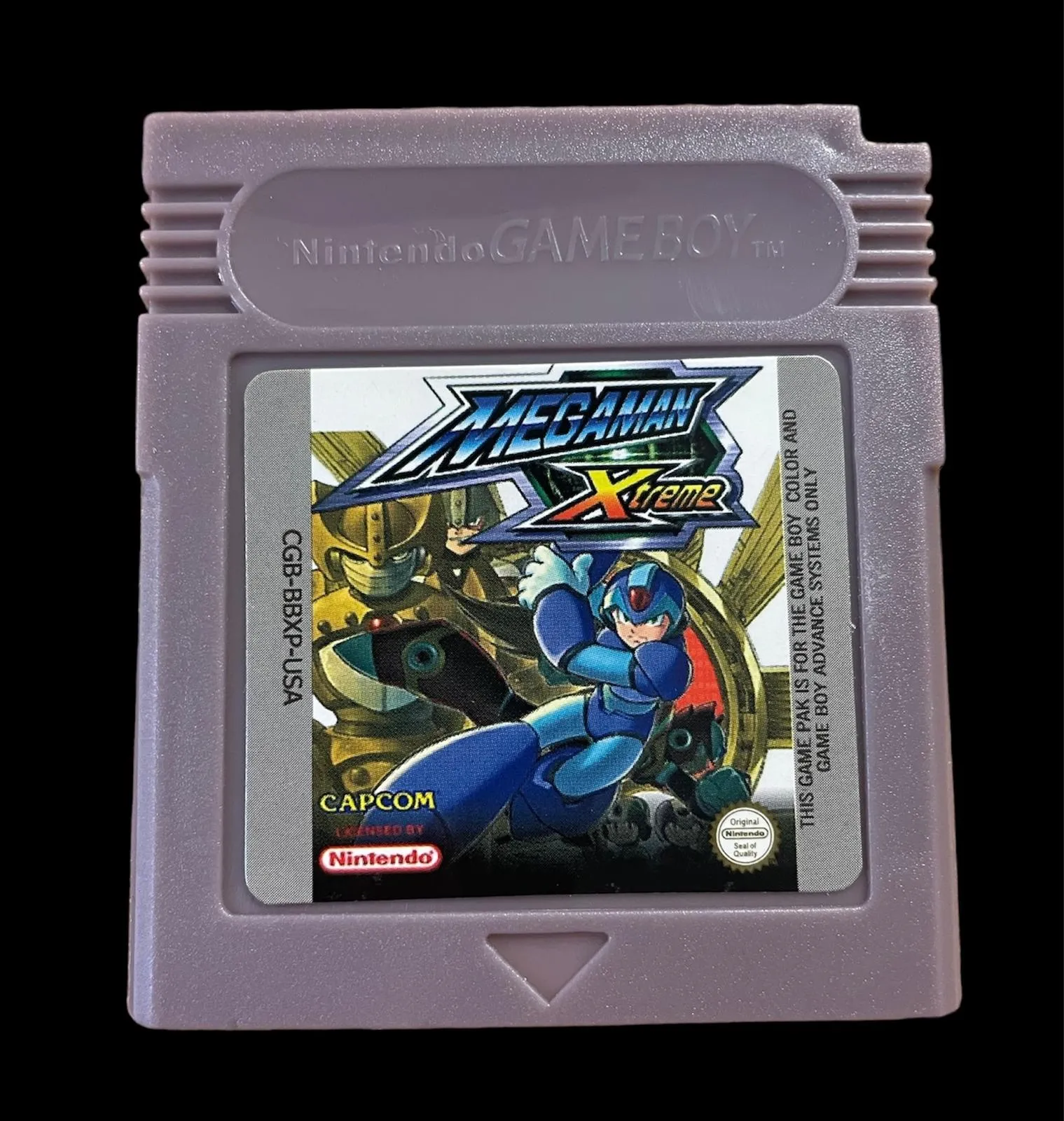
Mega Man Xtreme arrived on Game Boy Color in 2000, developed and published by Capcom as a spin-off of the beloved Mega Man X series that had been thrilling SNES players since 1993. Known in Japan as Rockman X: Cyber Mission, the game adapts stages, bosses, and gameplay elements from both Mega Man X and Mega Man X2 for the handheld, wrapping them in an original storyline in which a hacker group called the Shadow Hunters breaks into the world's Mother Computer, destabilising global networks and letting Maverick robots run riot. As X, you dive into cyberspace to erase the battle data of corrupted Maverick bosses, ultimately confronting Sigma himself. The game features three difficulty modes — Normal, Hard, and Xtreme — with the latter mode serving as a bonus scenario with all eight Robot Masters available from the start.
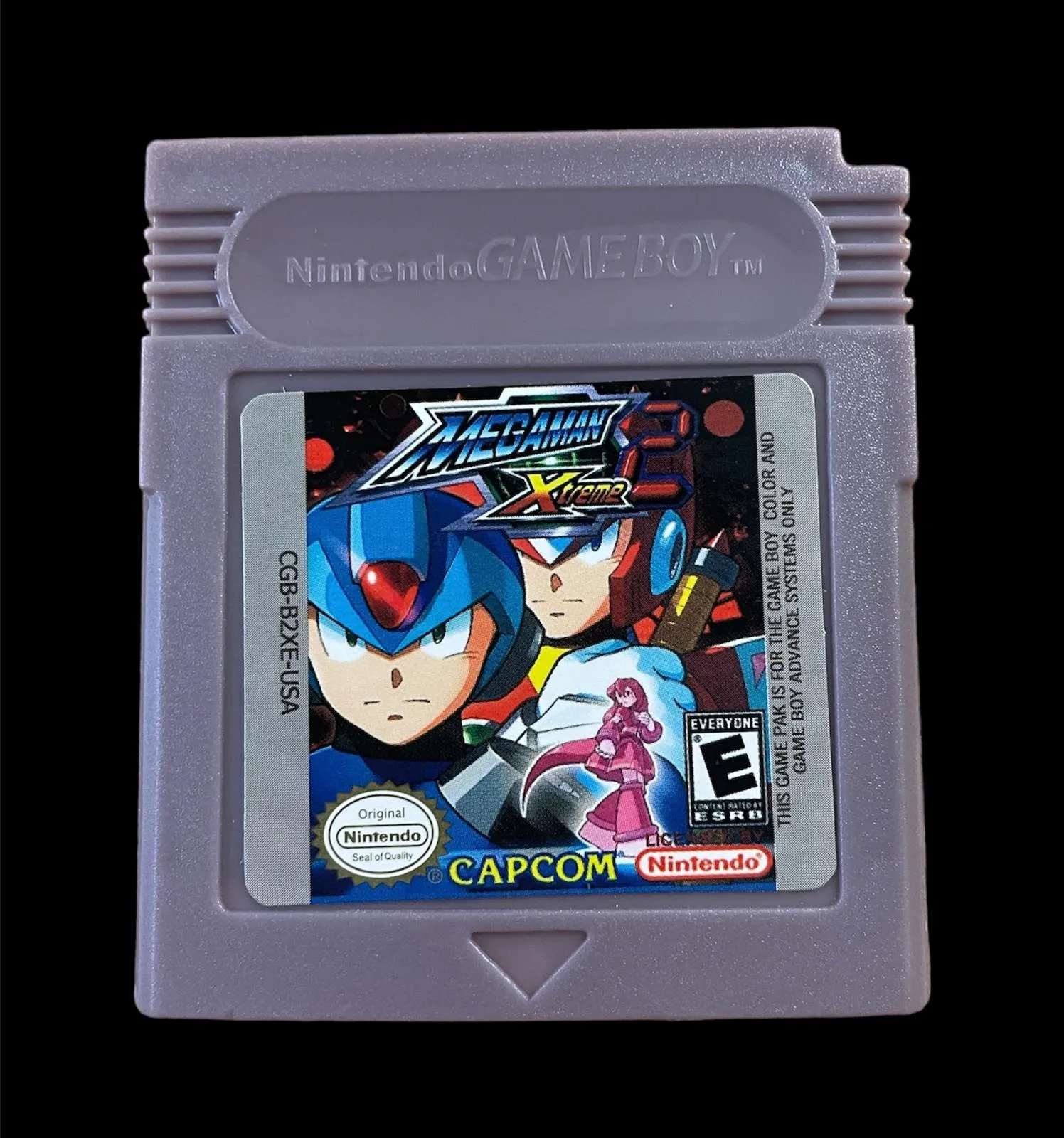
Mega Man Xtreme 2, known in Japan as Rockman X2: Soul Eraser, arrived on Game Boy Color in 2001 as the direct follow-up to the first Xtreme title and is widely regarded as the superior of the two handheld Mega Man X adventures. Unlike its predecessor, Xtreme 2 is a true Game Boy Color exclusive rather than a cross-generation title, and Capcom used that distinction to deliver a noticeably sharper and more ambitious experience. The story is set between the events of Mega Man X3 and X4, with X and Zero sent to investigate the mysterious Laguz Island where Reploids are having their DNA Souls stolen by a villain named Berkana, leaving them as hollow shells. Players choose to begin the campaign as either X or Zero, each facing a different set of four Maverick bosses before the stories converge — meaning a full playthrough requires completing both characters' missions and then tackling the unlockable Xtreme Mode.
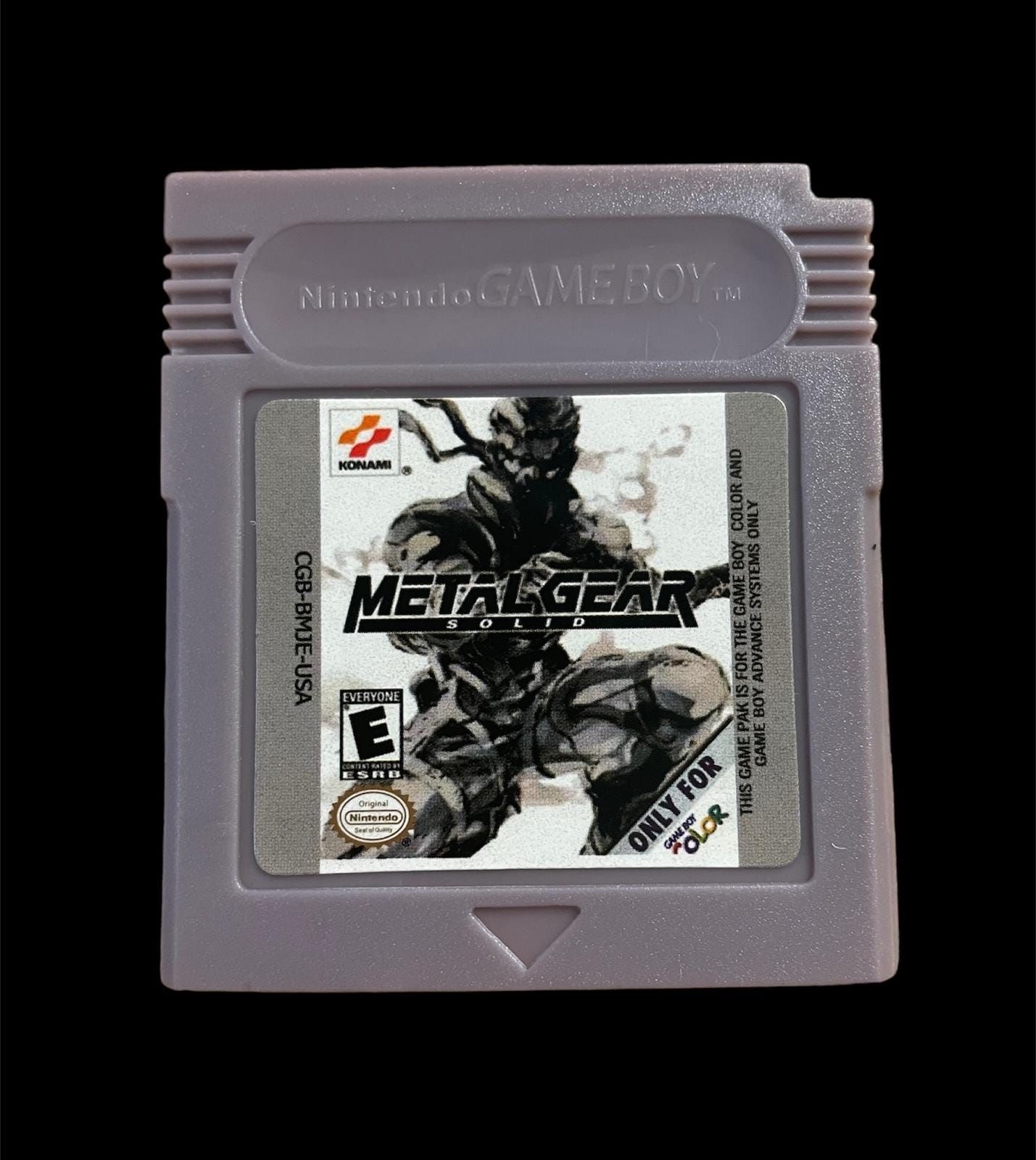
Metal Gear Solid for Game Boy Color — released in Japan as Metal Gear: Ghost Babel — is a remarkable achievement in portable game design. Developed by Konami Computer Entertainment Japan and released in 2000, the game began as a request from Konami's European division for a handheld version of the acclaimed 1998 PlayStation title. Rather than attempt a direct port, the team created an entirely original game set in an alternative continuity, taking place seven years after the events of the original Metal Gear on the MSX2. Solid Snake is called out of retirement to infiltrate the fortress of Galuade in Central Africa, where a separatist group has stolen a Metal Gear prototype, and must work through 13 tightly designed stages against a set of antagonists called Black Chamber — a group whose animal-themed codenames directly parallel FOXHOUND.
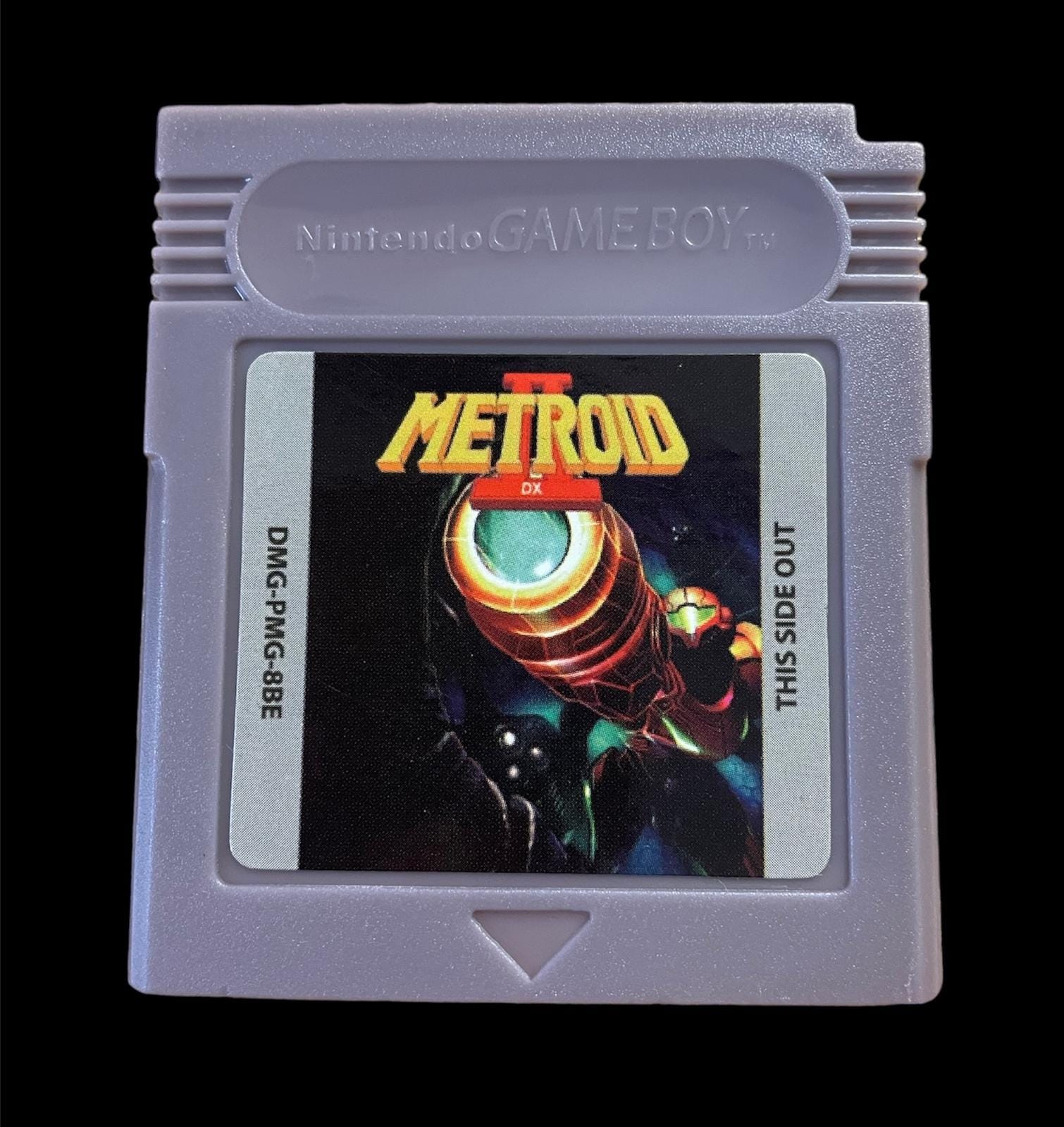
Metroid II: Return of Samus arrived on the Game Boy in November 1991 in North America and in 1992 in Japan and Europe, and it represents one of the most ambitious handheld games of the entire 8-bit era. Developed by Nintendo's Research & Development 1 team under legendary designer Gunpei Yokoi — the same team responsible for the original NES Metroid — it took the series' signature exploration-based gameplay and translated it to the Game Boy in a way that genuinely pushed the hardware. Critics described it as marking a new high point for handheld game consoles, with graphics approaching the quality of NES games and a game world far larger and more complex than anything previously attempted on a portable system. It was the first Metroid game to allow Samus to save her progress using battery-backed memory.
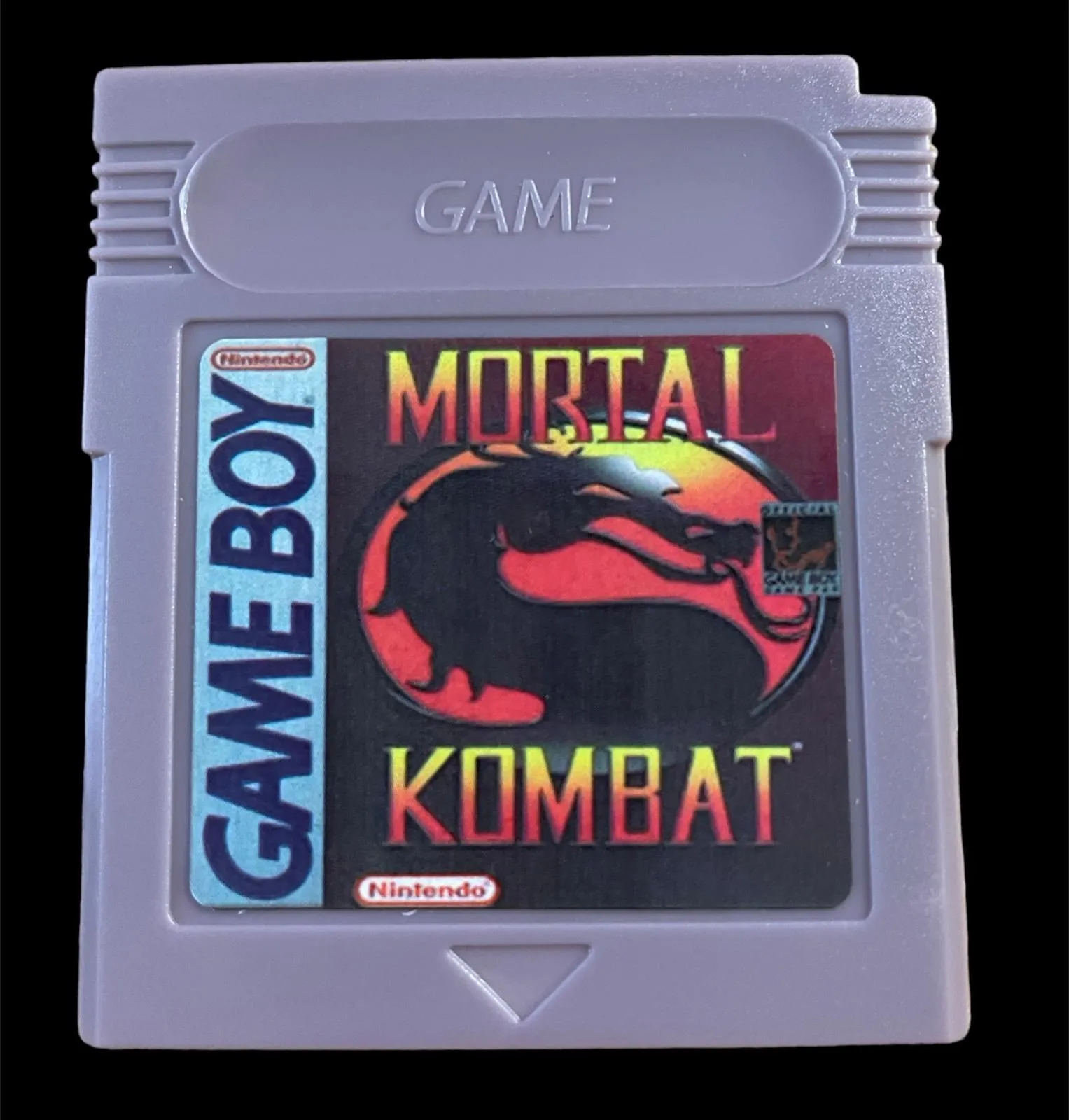
Mortal Kombat on the Game Boy is a landmark piece of gaming history, released on 13 September 1993 — the legendary Mortal Monday — simultaneously with the SNES, Genesis, and Game Gear versions of the game. Developed by Probe Software and published by Acclaim Entertainment, it is a remarkable achievement in ambition: bringing Midway's scandalous, blood-soaked arcade fighter to the palm of your hand at a time when the game was dominating cultural conversation and generating serious controversy with its digitised fatalities and graphic violence.