Shop Catagories
00

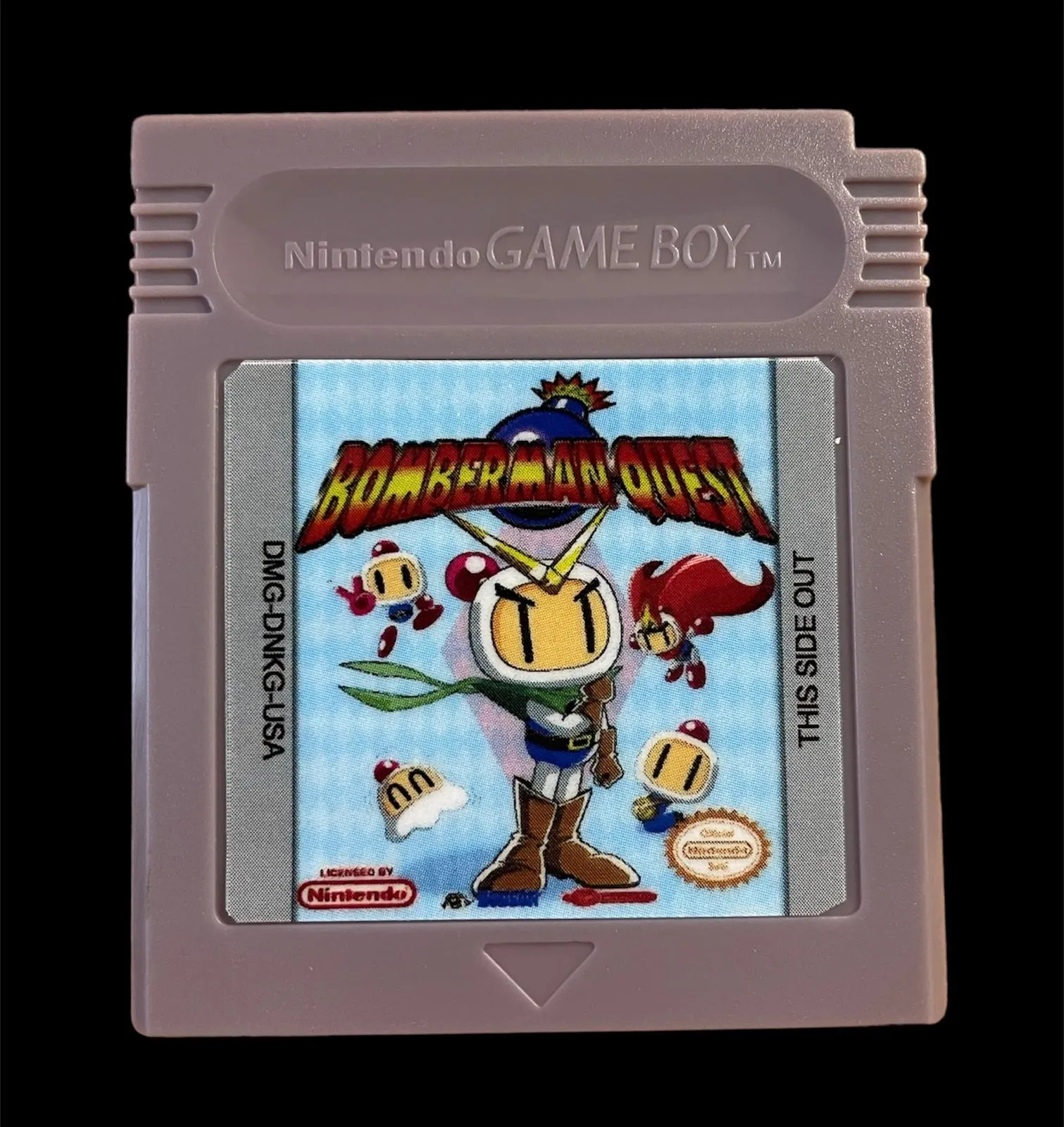
Bomberman Quest is a 1998 Game Boy Color title that takes the classic Bomberman formula in a refreshingly different direction, transforming it from a maze-based action game into a fully-fledged action RPG. Developed by Hudson Soft and published for the GBC, the game begins when Bomberman's shuttle is attacked by four mysterious lights that steal the vessel's four engines, forcing a crash landing on an unknown planet and releasing all the captured monsters Bomberman was transporting. The mission is to explore the planet's interconnected zones, recapture the escaped monsters, reclaim the engines from the four powerful Commanders, and make it home to Planet Bomber.
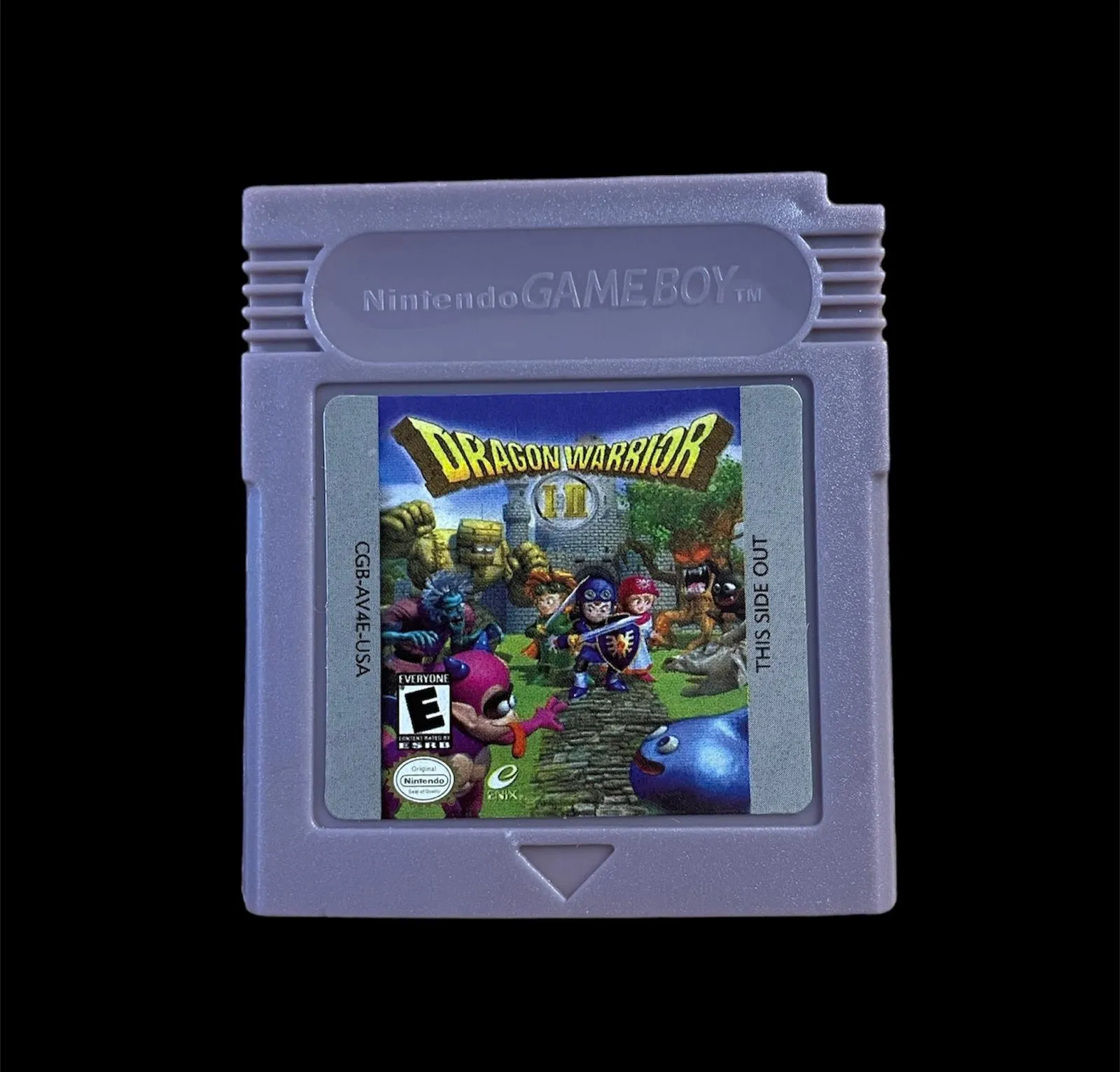
Dragon Warrior I and II for the Game Boy Color is a remarkable double-pack released in 1999 that brings together the first two entries in Enix's landmark Dragon Quest series — the games that effectively defined the Japanese RPG genre and laid the foundation for decades of role-playing game design. Originally released for the Famicom in 1986 and 1987, both titles were remade for the Super Famicom in 1993, and the GBC version is based on those enhanced remakes, bringing improved graphics, reworked interfaces and quality-of-life features to both games on a single Game Boy Color cartridge. The North American GBC release appeared in 2000, giving Western players their first access to the higher-quality remake versions.
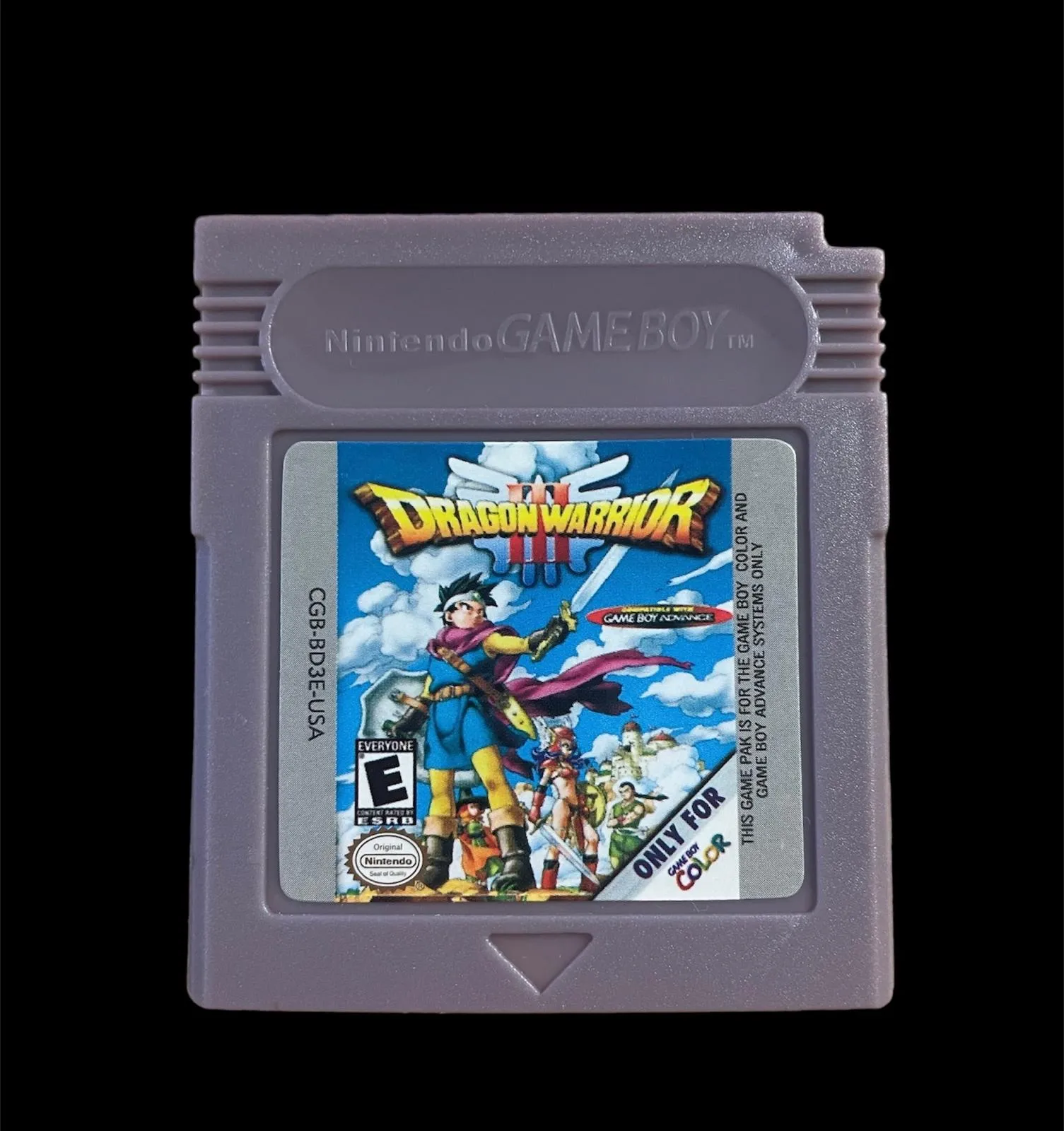
Dragon Warrior III for the Game Boy Color is a superbly crafted 2001 remake of one of the most important RPGs ever made. Originally released for the Famicom in 1988 as the third entry in Enix's Dragon Quest series, Dragon Warrior III holds the distinction of being the chronological prequel to the first two games in the series — it tells the story of the legendary hero Erdrick, whose deeds shaped the world that players explored in Dragon Warrior I and II. The GBC version is based on the acclaimed 1996 Super Famicom remake and brings its enhanced graphics, new features and expanded content to a portable format for the first time.
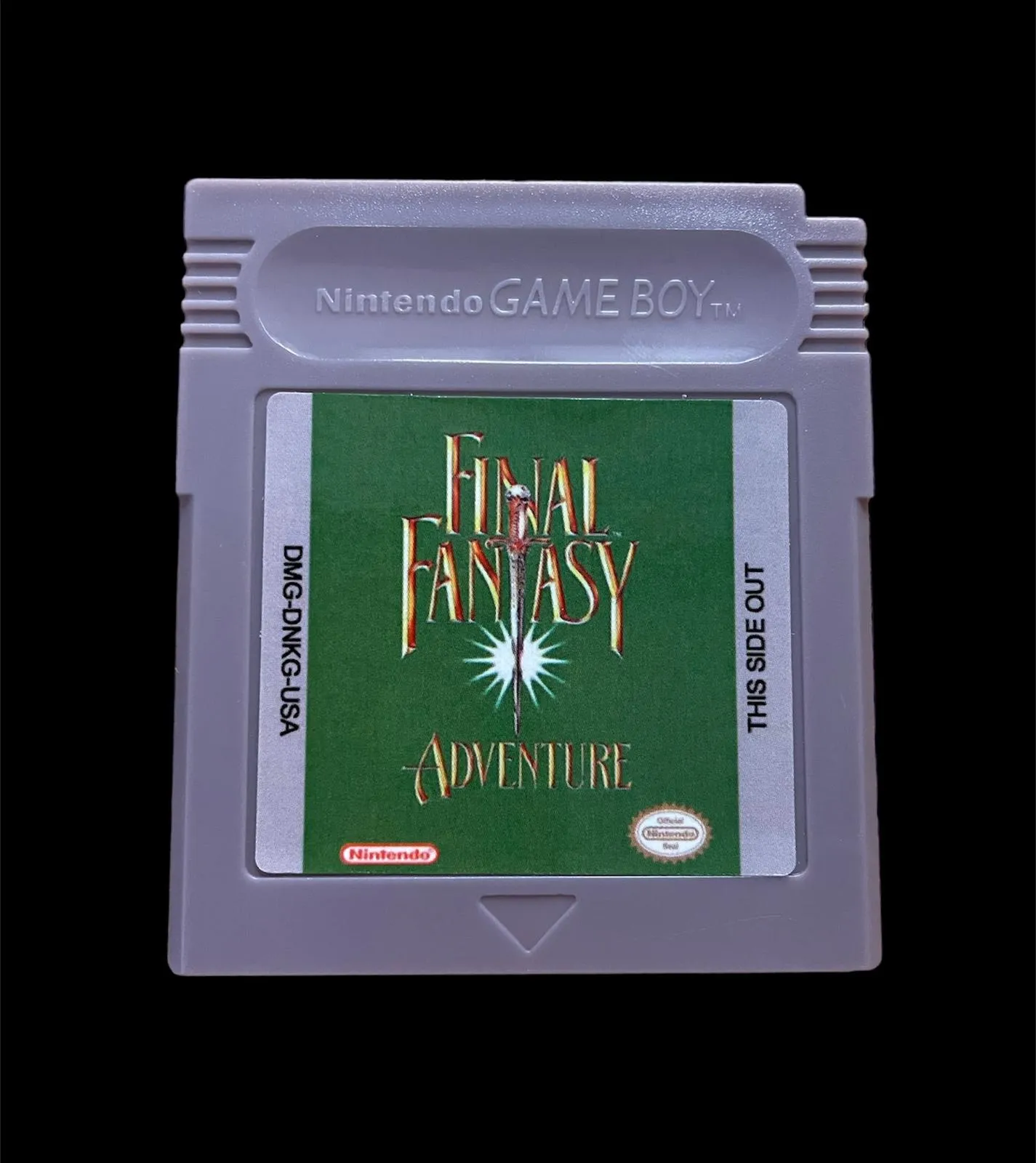
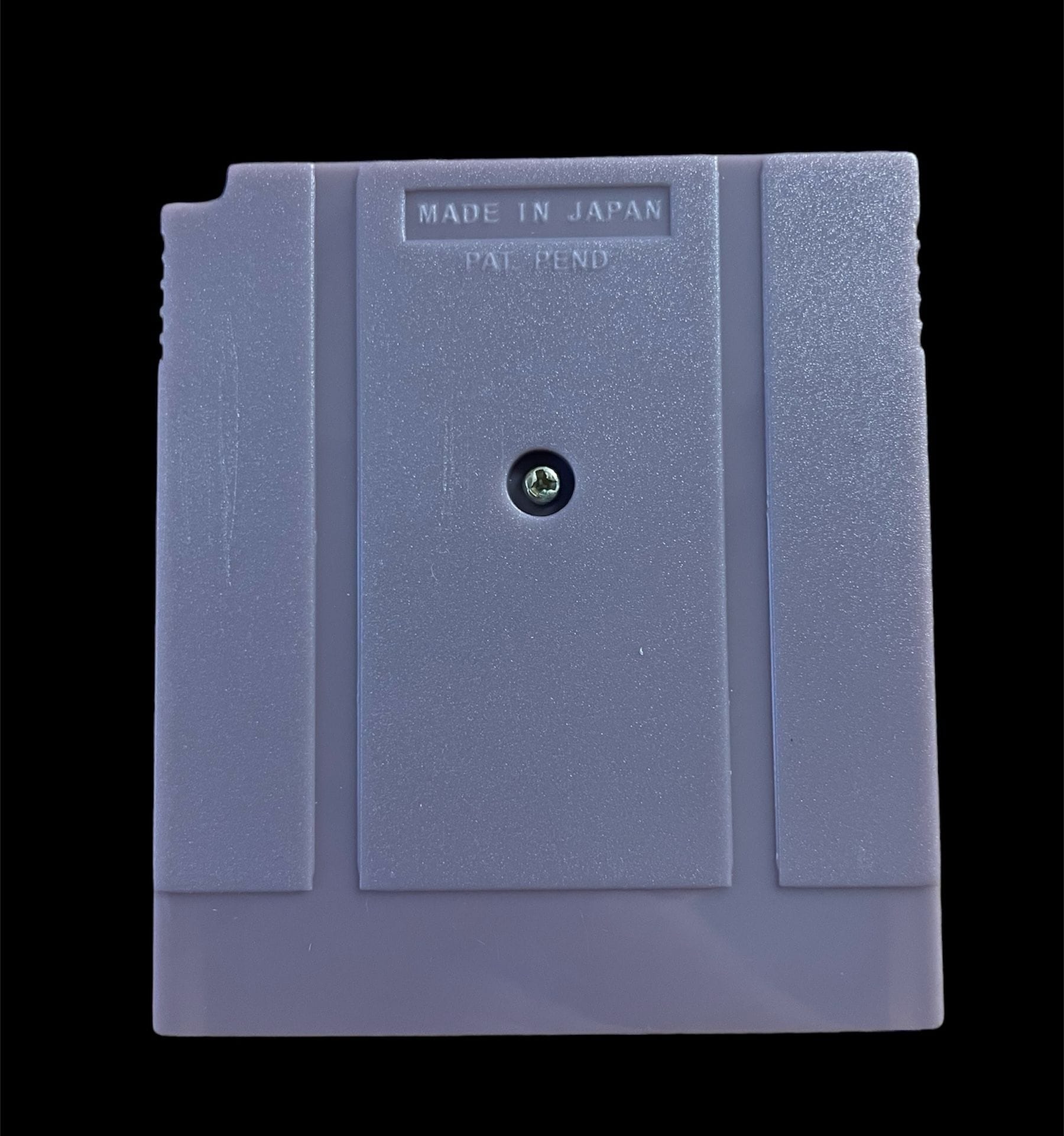
Final Fantasy Adventure, released for the Game Boy in 1991, occupies a genuinely extraordinary place in gaming history — it is simultaneously a Final Fantasy spin-off, the first entry in the Mana series and one of the finest action role-playing games ever produced for a handheld system. Developed by Square under director Koichi Ishii, it was released in Japan as Seiken Densetsu: Final Fantasy Gaiden and in Europe as Mystic Quest. The game grew out of a cancelled project called Gemma Knights and was shaped partly by the legacy of an even earlier cancelled Seiken Densetsu concept from 1987. Square released it alongside familiar Final Fantasy touchstones — chocobos, magic materia-like items and the Final Fantasy logo — but the gameplay itself was a revelation: real-time action combat reminiscent of The Legend of Zelda, played from a top-down perspective with RPG stat progression layered on top.
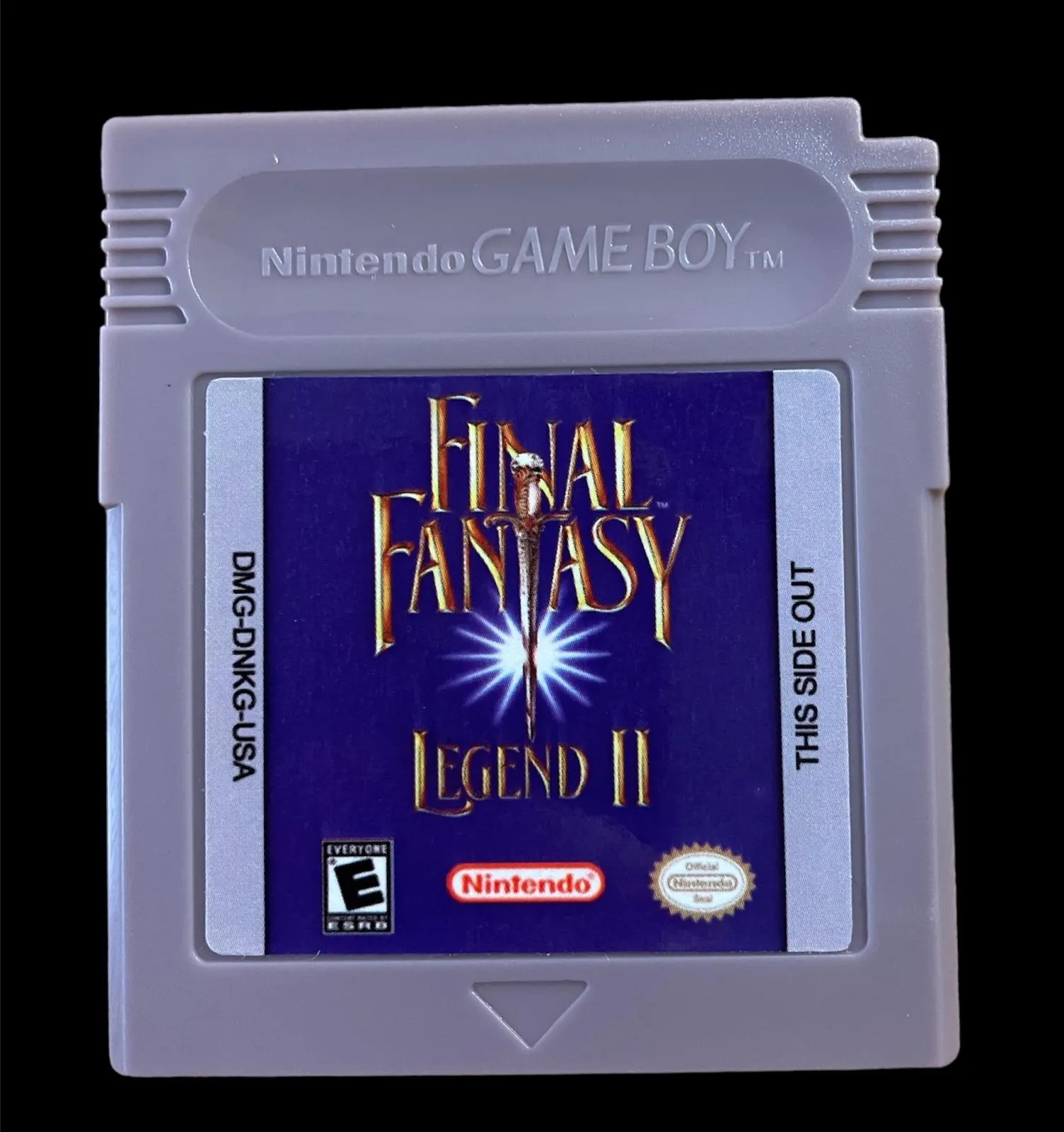
Final Fantasy Legend II — known in Japan as SaGa 2: Hihou Densetsu — is a role-playing game developed and published by Square for the Game Boy, released in Japan in 1990 and in North America in 1991. It is the second entry in Akitoshi Kawazu's SaGa series, though Square rebranded it under the Final Fantasy name in the West to capitalise on that franchise's growing recognition. The game follows a young hero searching for their father across a cosmology of interconnected worlds stacked like pillars, each borrowing from different mythological traditions — Sumerian, Norse, Egyptian, and Japanese among them. Four character types are available — Human, Mutant, Robot, and Monster — each with radically different stat progression systems that reward experimentation. Humans grow by consuming strength-boosting items, Mutants gain and sometimes lose abilities randomly through battle, Robots equip powerful items that degrade with use, and Monsters can transform by eating enemy flesh.
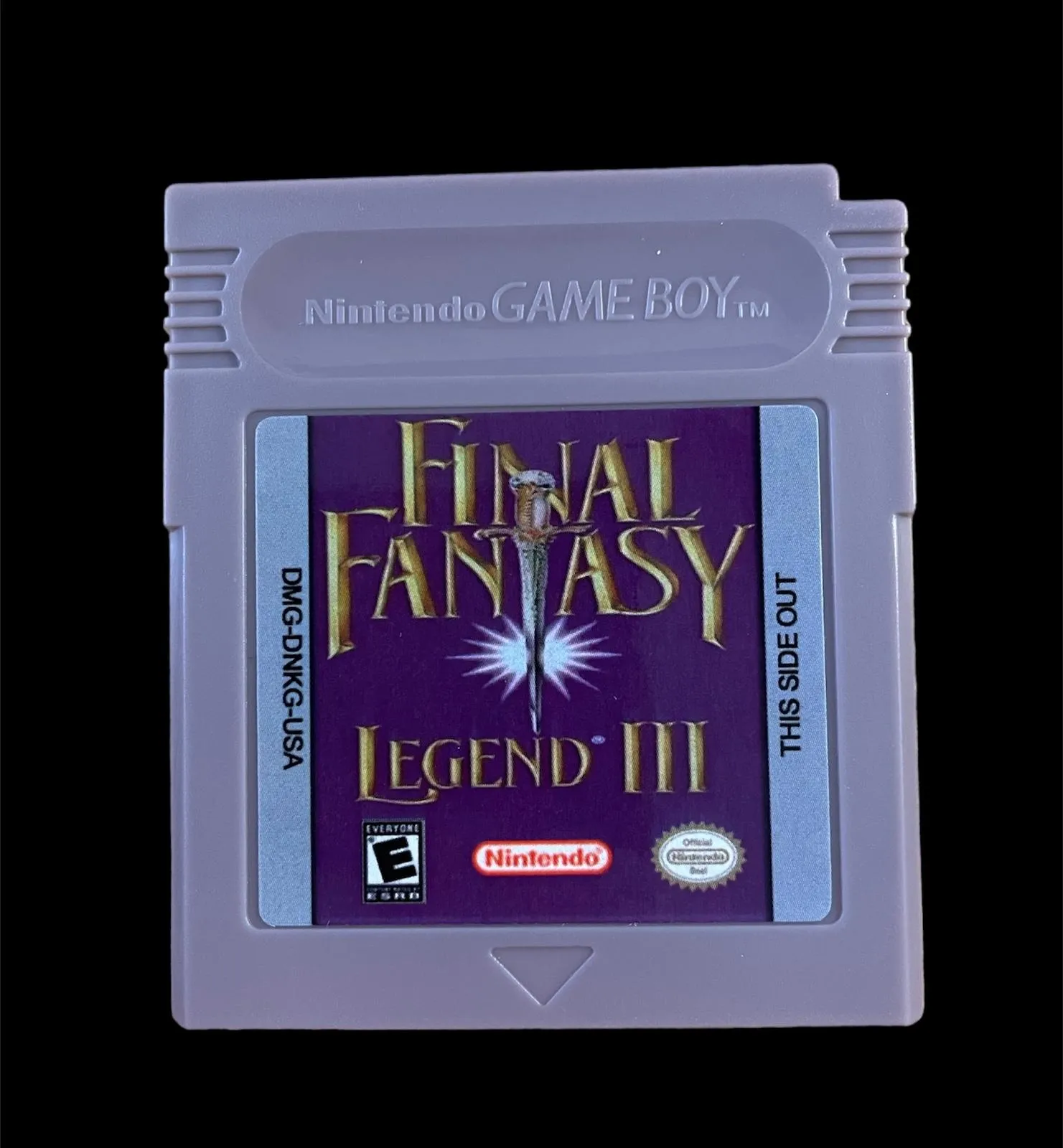
Final Fantasy Legend 3, known in Japan as SaGa 3: Jikuu no Hasha (roughly translated as Lord of Time and Space), arrived on the Game Boy in Japan in 1991 and in North America in 1993. It was the third and final entry in Square's SaGa trilogy for the Game Boy and marked a significant evolution for the series — one that many fans consider the most accessible and polished of the three. While the earlier games were deliberately abstract and experimental, Legend 3 brings a stronger narrative focus and a more streamlined approach to combat and character progression that will feel welcoming even to players who bounced off its predecessors.
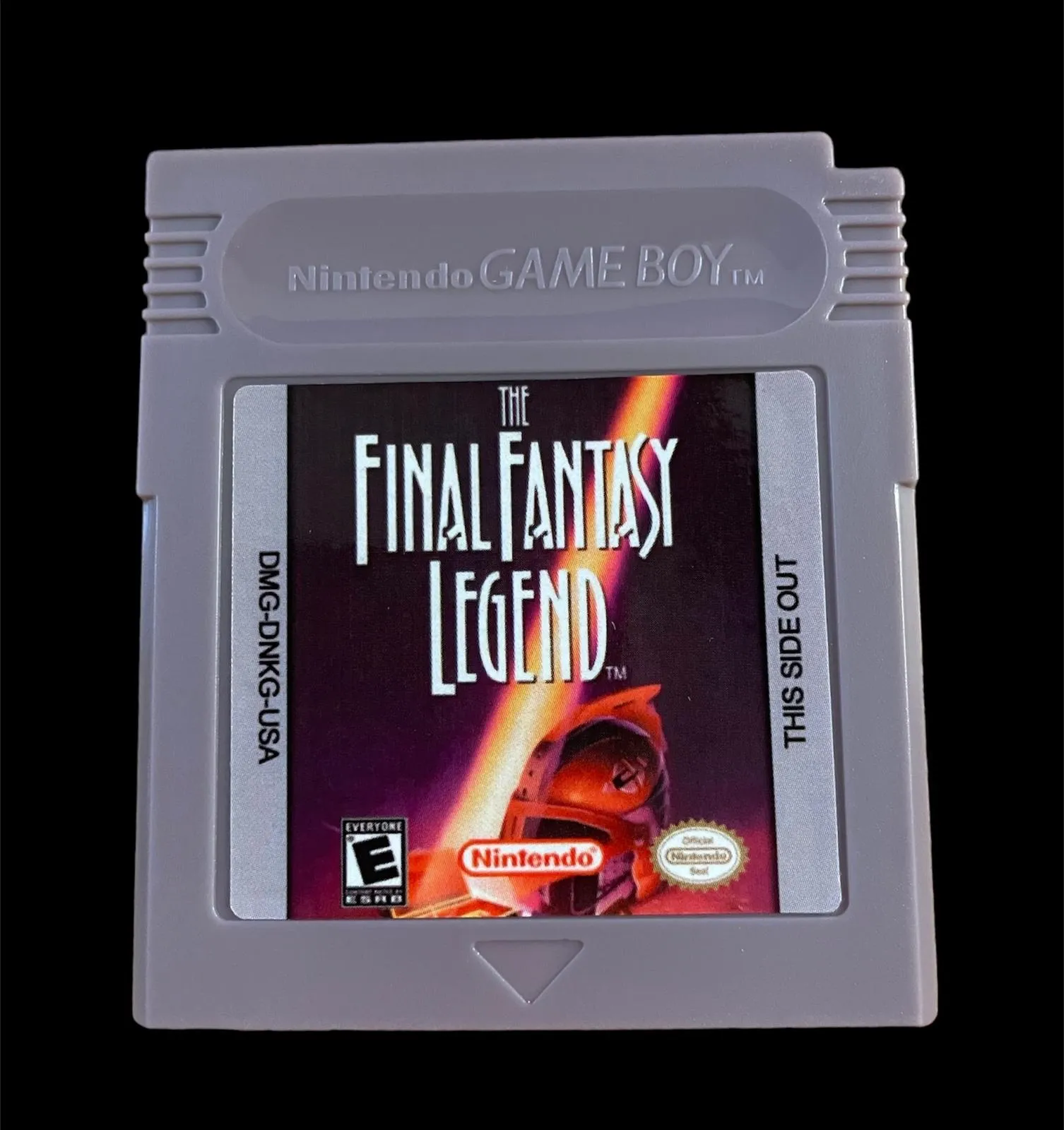
The Final Fantasy Legend arrived on the Game Boy in December 1989 in Japan and September 1990 in North America, and it carries a fascinating identity that surprises many players. The game was originally developed by Square under the Japanese title Makai Toushi SaGa — meaning Demon Tower Saga — making it the first entry in the long-running SaGa series. It was relaunched under the Final Fantasy branding for Western audiences to capitalise on Square's growing reputation, and while it shares DNA with the Final Fantasy games, it is very much its own beast. Famitsu awarded it a place in their Platinum Hall of Fame at the time of its release, one of only seven games up to 1989 to achieve that distinction.
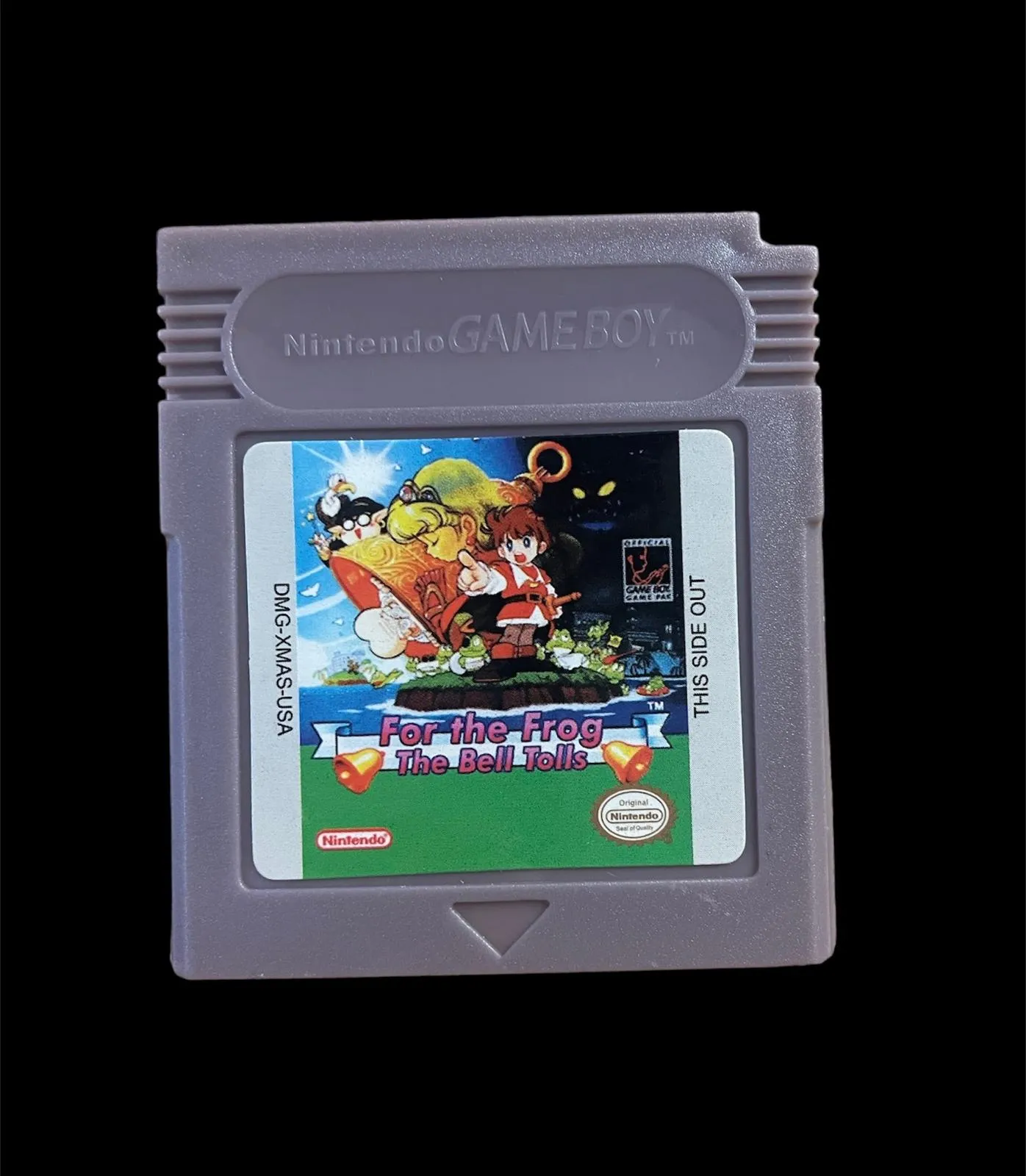
For the Frog the Bell Tolls, known in Japan as Kaeru no Tame ni Kane wa Naru, is a 1992 Game Boy action RPG developed by Nintendo and Intelligent Systems that holds a remarkable place in gaming history. Released exclusively in Japan for the original Game Boy, the game uses the same engine, sound effects and graphical assets that would go on to power The Legend of Zelda: Link's Awakening — in fact it predates Link's Awakening and represents an early prototype of the design language that defined Game Boy action adventures of the era. The story is a delightfully whimsical fairy tale following the Prince of Sablé, who sets off to rescue Princess Tiramisu of the Mille-Feuille Kingdom, racing against his rival Prince Richard of Custard Kingdom to win her hand.
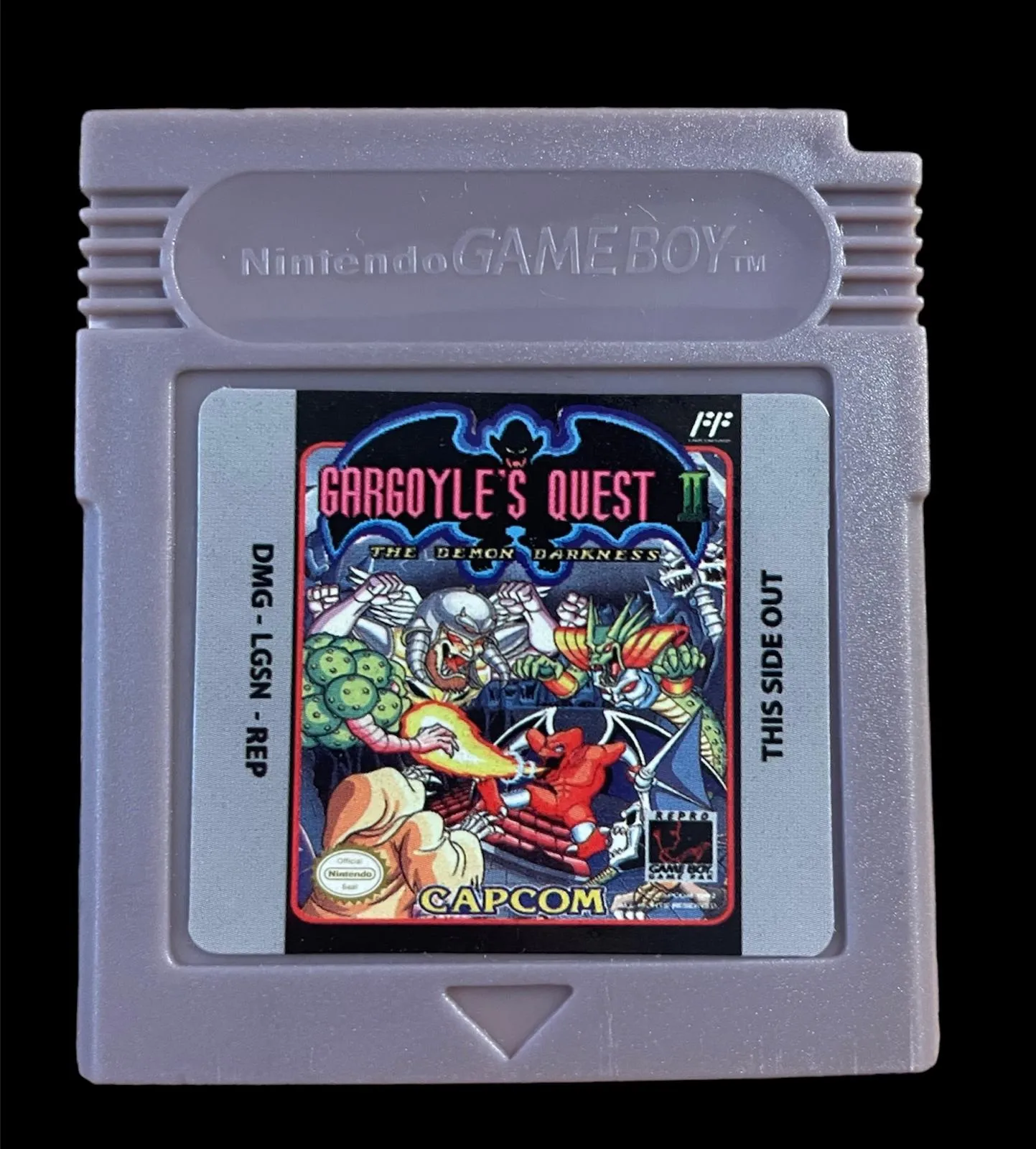
Gargoyle's Quest II: The Demon Darkness on the Game Boy is a conversion of Capcom's 1992 NES action-adventure, and it sits within one of the most inventive spin-off series of the 8-bit era. The Gargoyle's Quest games star Firebrand — the Red Arremer demon who appeared as a persistent enemy in Ghosts 'n Goblins — and recast him as a hero in his own right. This second entry acts as a prequel to the original 1990 Game Boy game, depicting Firebrand's origins as a warrior of the Demon Realm in a story of betrayal, ancient evil and the struggle to restore peace to the underworld. The Game Boy version was released in Japan and carries some unique additions compared to the NES release, including extra stages and new powers not found in the console version.
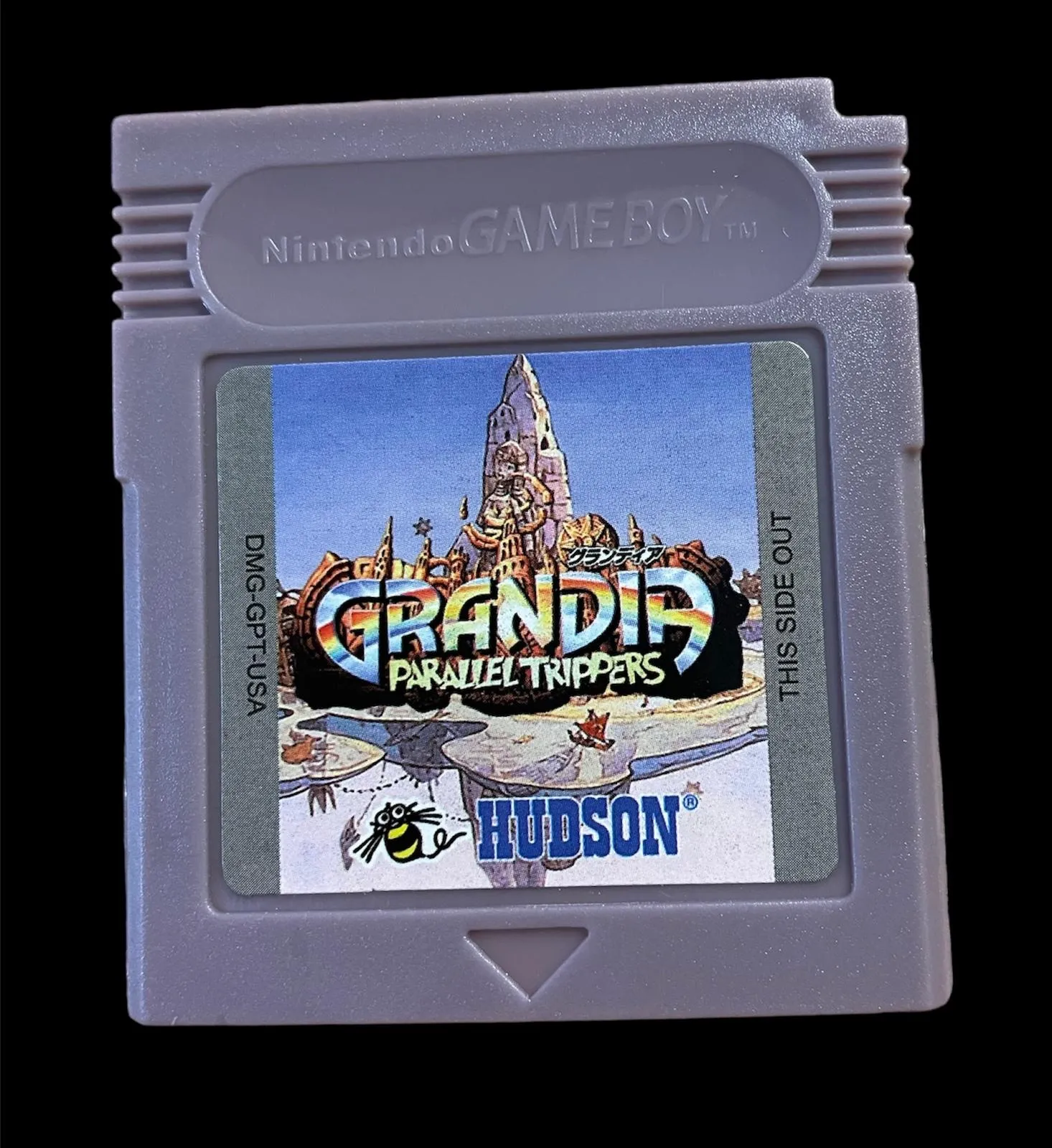
Grandia: Parallel Trippers is a Game Boy Color RPG developed by Game Arts and published by Hudson Soft, released exclusively in Japan in December 2000. It is a spin-off of the beloved Grandia role-playing game that had charmed players on the Sega Saturn, PlayStation and Nintendo 64, and it serves as the first and only handheld entry in the Grandia series. The game takes a creative alternate-world approach to its story: Japanese students Yuuhi, Mizuki and Shirou are mysteriously transported into a parallel version of the Grandia world, where they encounter familiar faces from the original game. Yuuhi must team up with characters including Feena, Liete and Sue to find a way back home, a mission that inevitably grows into a quest to save this parallel world entirely.
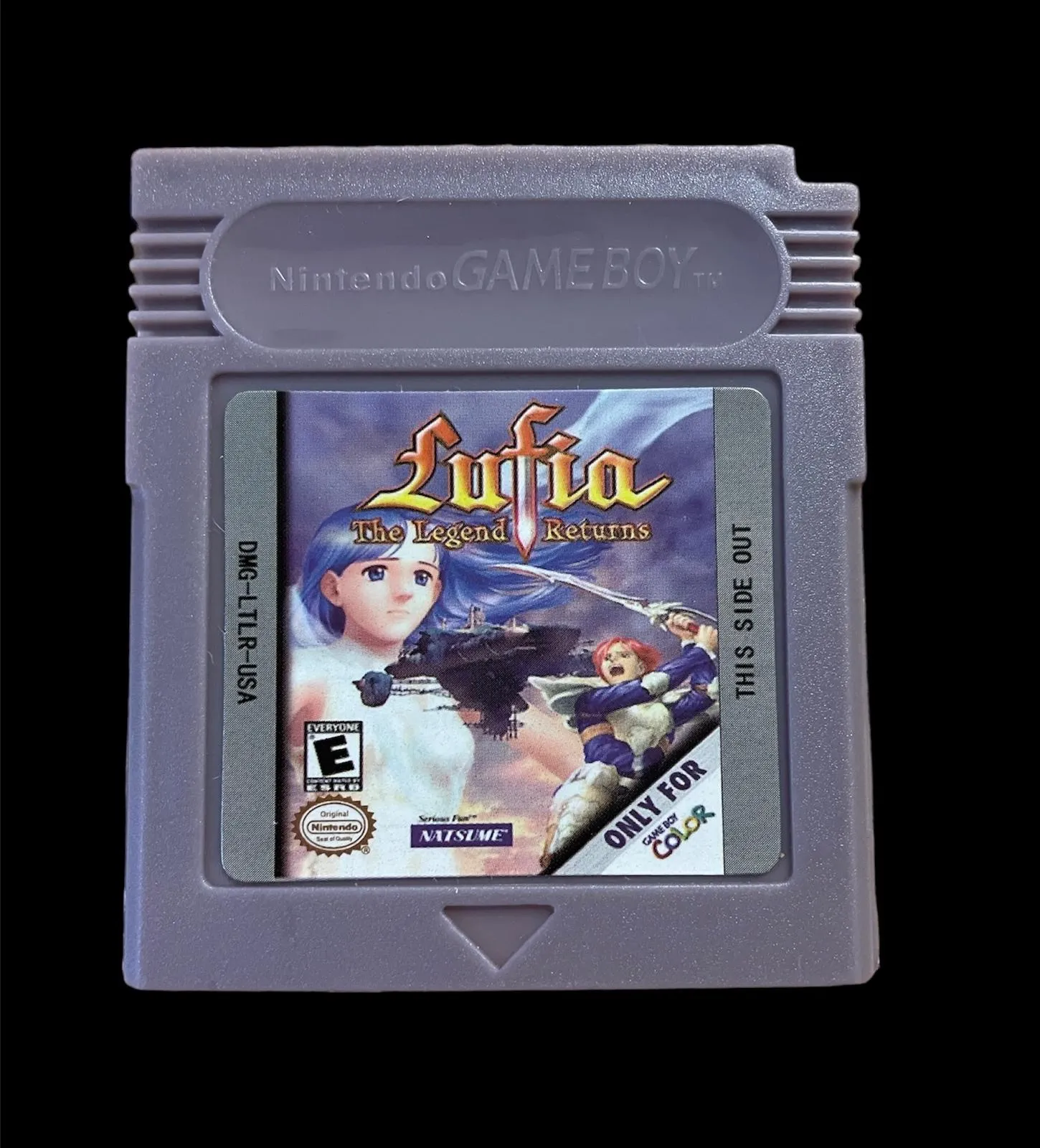
Lufia: The Legend Returns is a role-playing game for the Game Boy Color developed by Neverland and published by Taito in Japan, Natsume in North America, and Ubisoft in Europe, released in 2001. It is the third entry in the Lufia series — following the two beloved SNES titles — and the first to appear on a handheld system, giving the franchise a new lease of life on portable hardware. The game takes place two hundred years after the events of Lufia II and one hundred years after the original Lufia, following a teenager named Wain who is a descendant of the legendary hero Maxim. When the ancient evil Sinistrals begin to awaken once more, Wain and his companion Seena must gather warriors and stop the apocalypse, travelling through a series of randomly generated dungeons and discovering Ancient Texts that teach the party new special abilities called IP Skills.
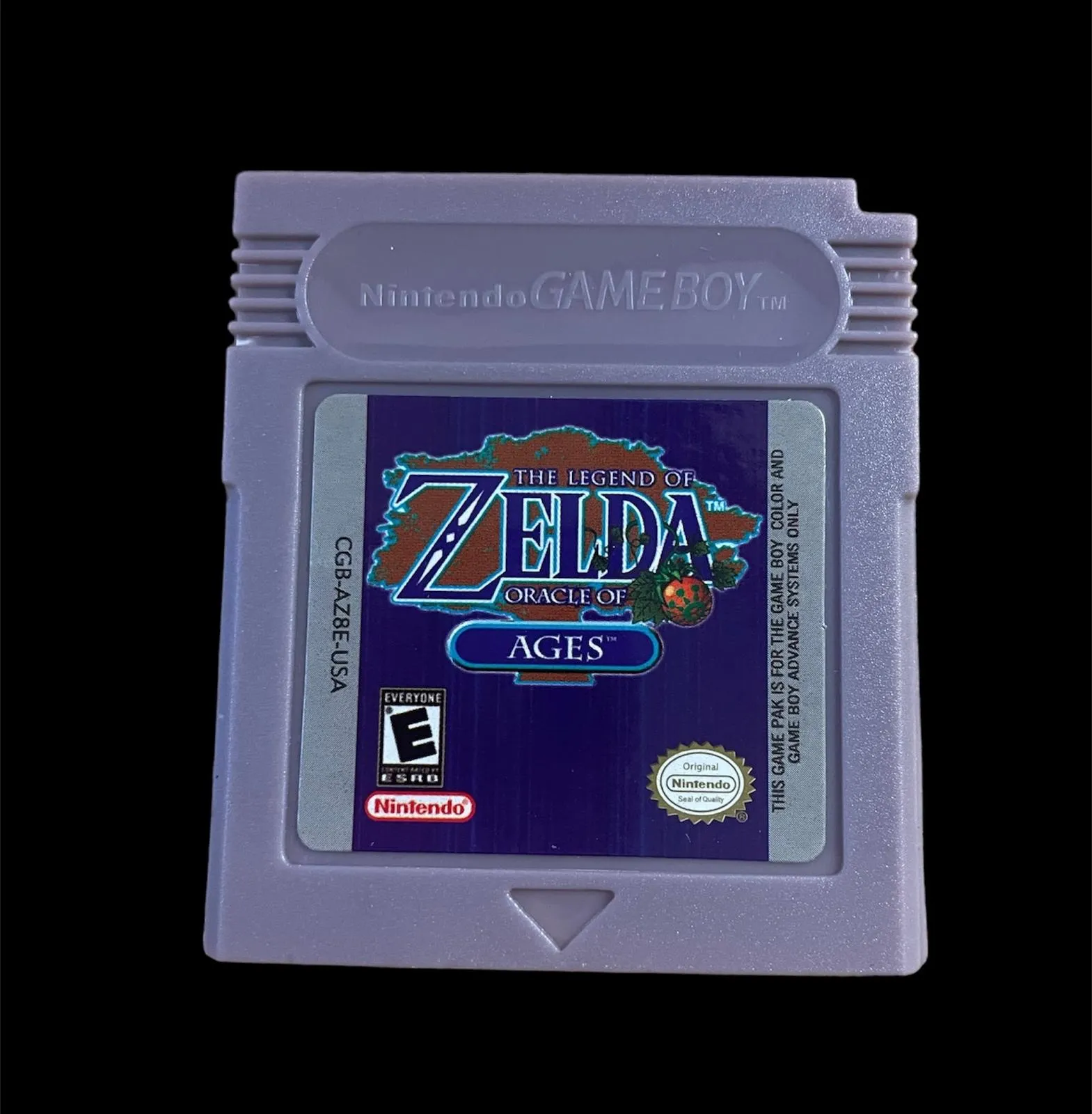
The Legend of Zelda: Oracle of Ages is one half of a remarkable pair of Game Boy Color titles developed by Flagship and published by Nintendo in 2001, standing alongside its sister game Oracle of Seasons as the seventh and eighth instalments in the storied Zelda series. Oracle of Ages is the puzzle-focused game of the duo, sending Link to the land of Labrynna where the Sorceress of Shadows Veran has taken possession of the Oracle of Ages, Nayru, and begun manipulating the flow of time to plunge the world into chaos. Using the Harp of Ages, Link must travel between the present and the past to unravel her schemes and set the timeline right.