Shop Catagories
00

Asterix and Obelix is a side-scrolling action platformer released by Infogrames in 1995 for the Game Boy and Game Boy Color, based on the iconic French comic book series created by René Goscinny and Albert Uderzo. Players choose to control either the wily Asterix or the enormously strong Obelix as they fight their way across Europe to prove to Caesar that the indomitable Gauls cannot be contained. The levels draw directly from several beloved albums in the comic series, with locations including Britannia, Helvetia, Greece, Egypt, and Hispania.
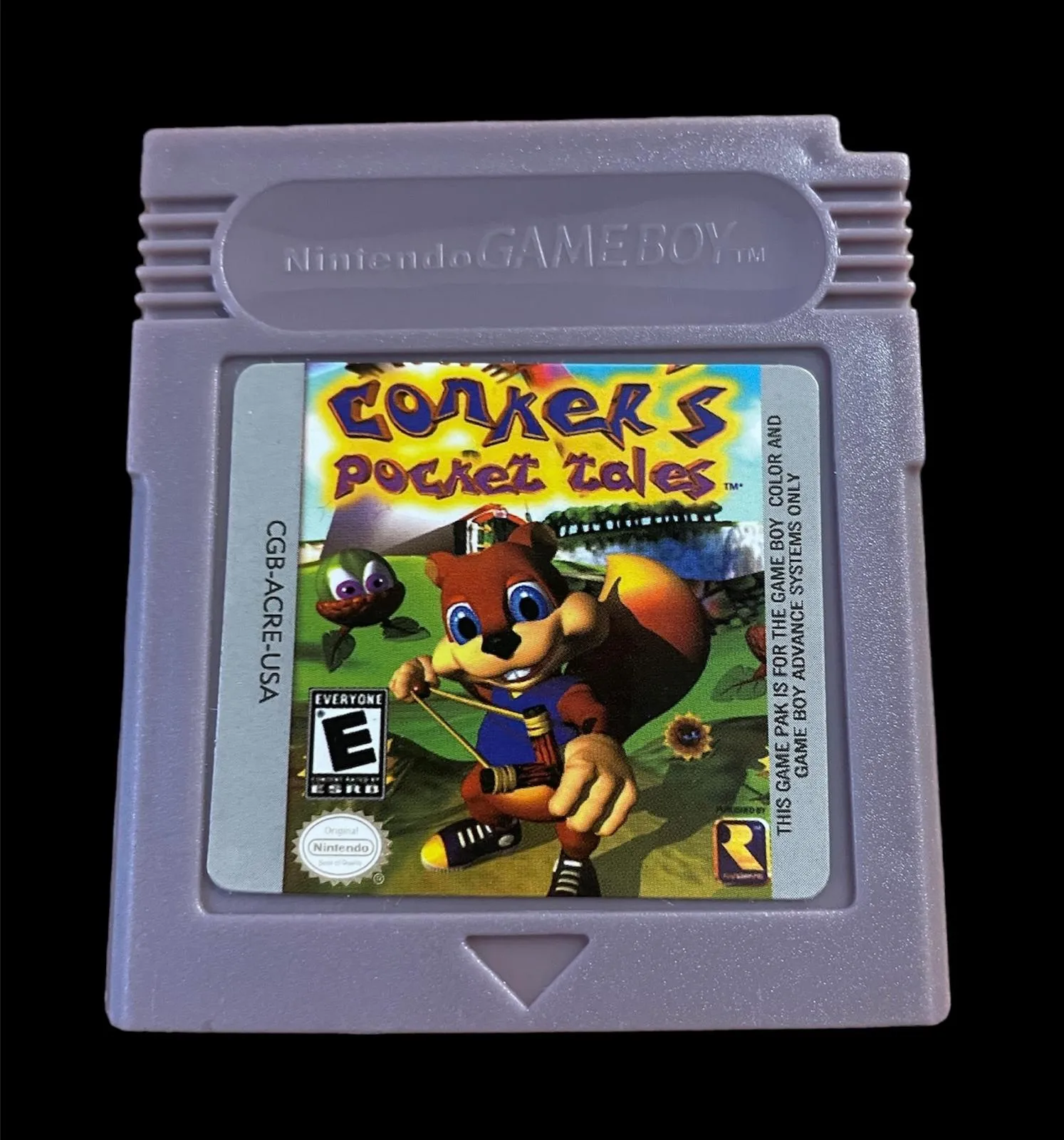
Conker's Pocket Tales is a 1999 action-adventure game developed and published by Rare for the Game Boy Color, and it holds the distinction of being the very first game to star Conker the Squirrel as the lead character. The story follows Conker as he hunts down his stolen birthday presents and rescues his girlfriend Berri from the dastardly Evil Acorn. Rare set out to create an experience in the spirit of The Legend of Zelda, delivering a top-down adventure filled with puzzles, exploration, and combat across a series of interconnected environments.
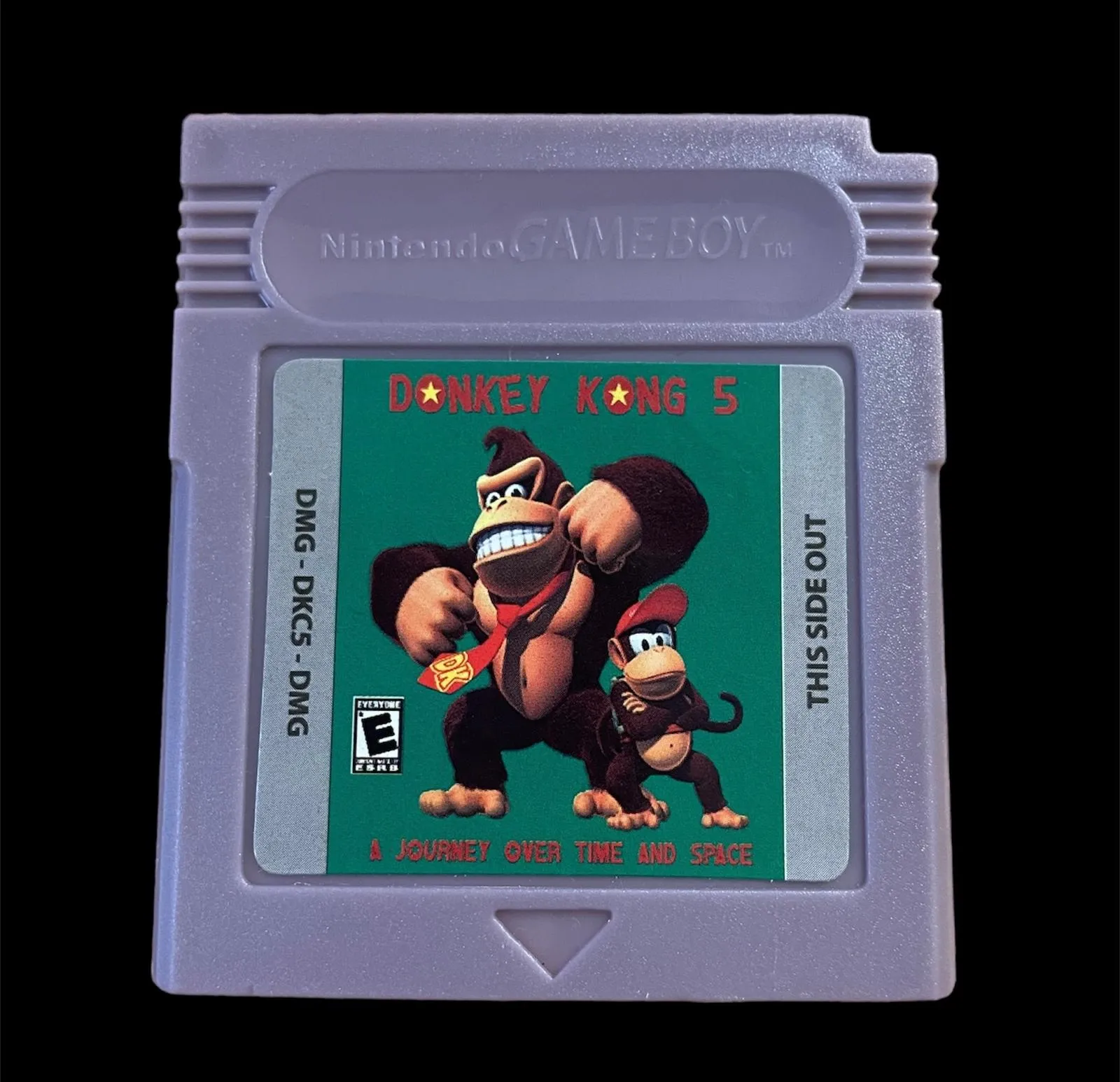
Donkey Kong 5: The Journey of Over Time and Space is a wildly unique entry in the world of unofficial Game Boy Color titles, produced by the Chinese developer Sintax. Set in a bizarre narrative where the evil Lombardo has kidnapped Sodoma, the fairy responsible for nurturing all of Earth's plants — leaving Donkey Kong without his beloved bananas — the game sends DK on a bizarre cross-dimensional rescue mission. It is a fascinating piece of handheld gaming history that blends familiar platform gameplay with some delightfully unexpected creative choices.
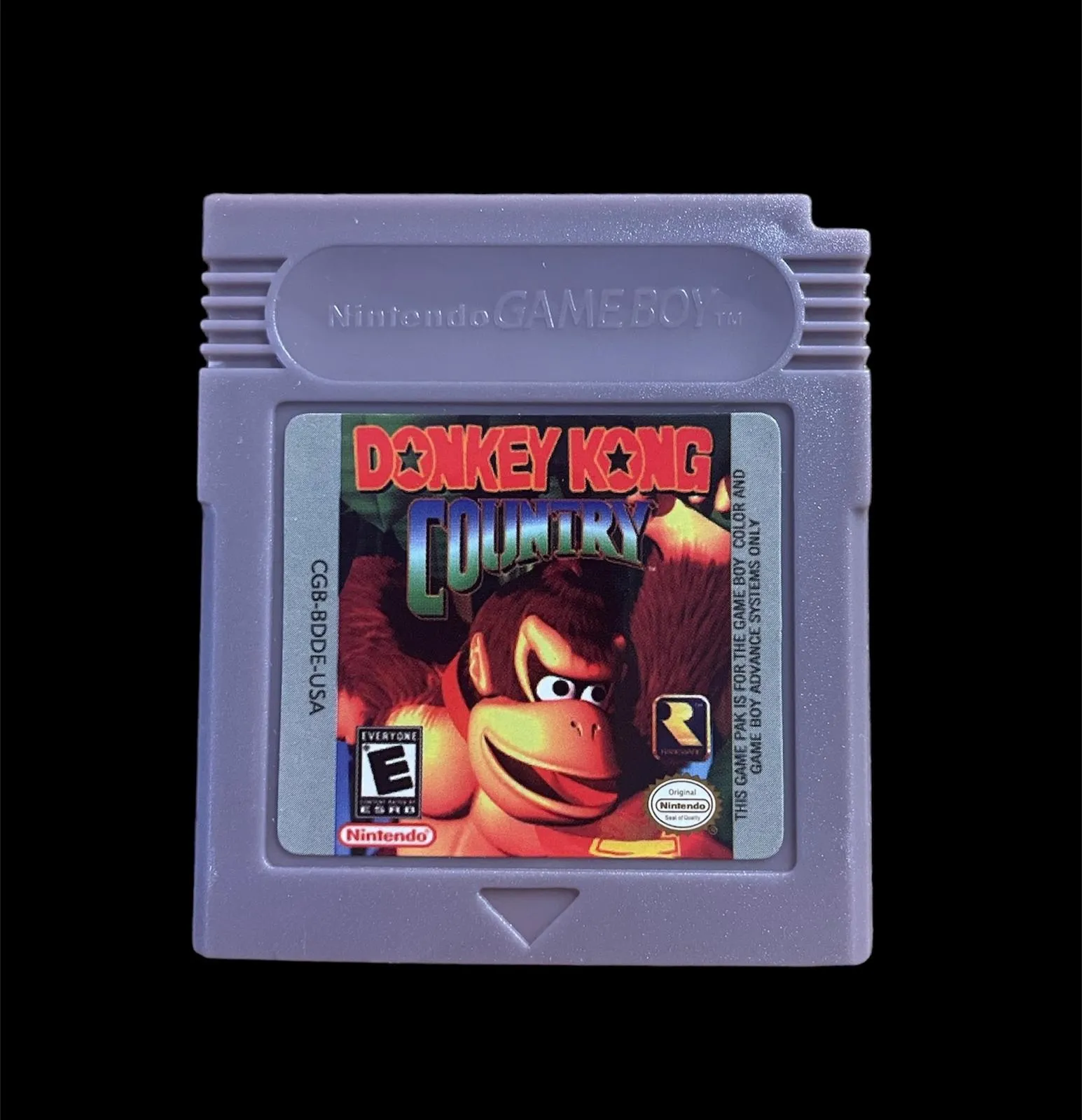
Donkey Kong Country for the Game Boy Color is Rare's impressive 2000 port of the legendary 1994 Super Nintendo classic, bringing King K. Rool, the stolen banana hoard, and all the platforming thrills of the original adventure to Nintendo's handheld in vibrant colour. Released in November 2000 in North America and Europe, the port was developed by Rare alongside their GBC version of Perfect Dark, and while it drew heavily on assets from the Donkey Kong Land games to fit within the hardware's constraints, the result is a faithful and entertaining portable adaptation of one of the SNES's most celebrated titles.
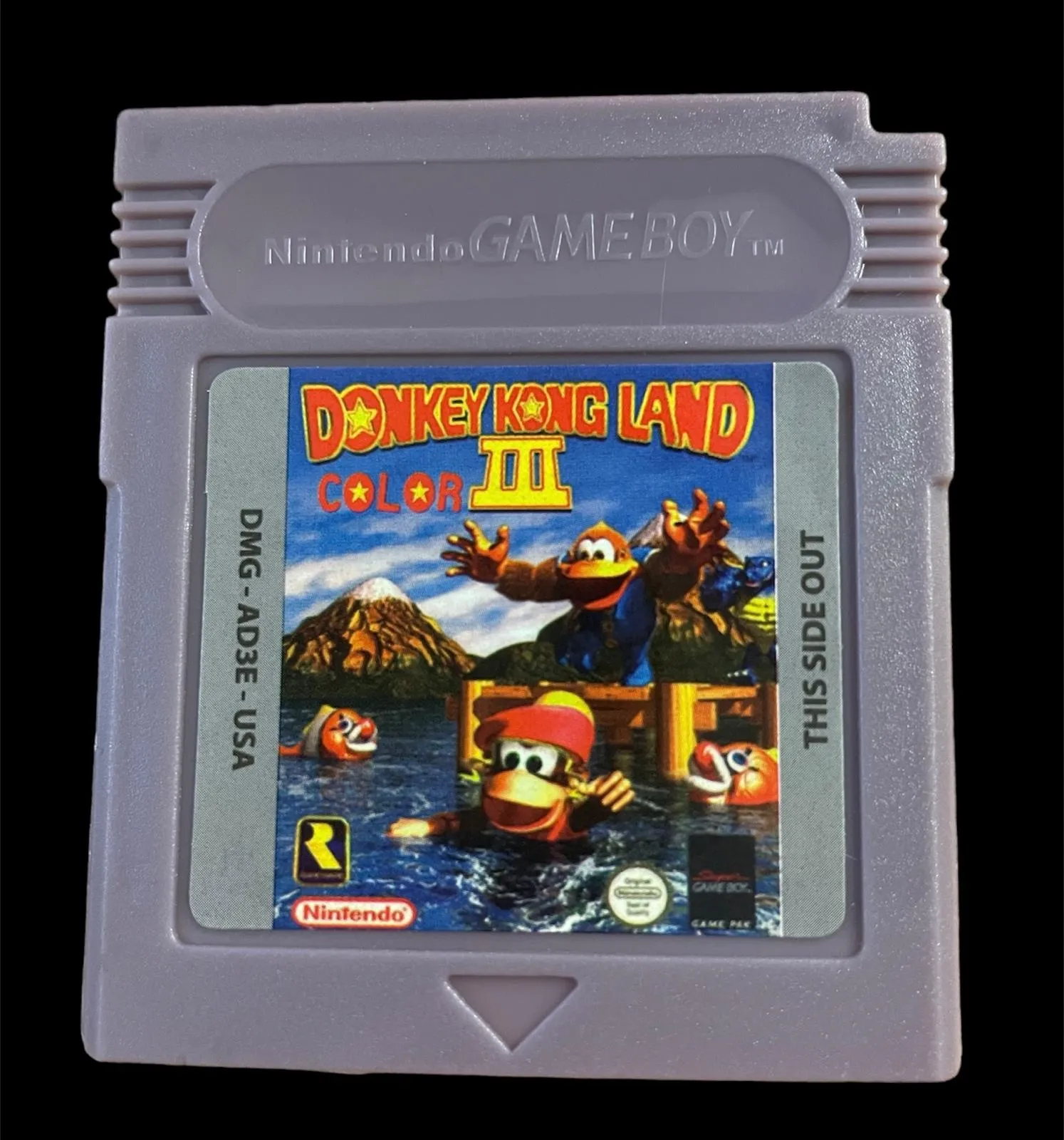
Donkey Kong Land 3 in its Game Boy Color edition — released in Japan in 2000 under the title Donkey Kong GB: Dinky Kong and Dixie Kong — is the enhanced colour version of Rare's 1997 Game Boy platformer. Donkey Kong Land III closely followed the events of Donkey Kong Country 3 on the SNES, with Dixie Kong and her young cousin Kiddy Kong competing in a contest to find the missing Donkey Kong and Diddy Kong while battling the K. Rool-aligned enemies across six distinctive worlds.
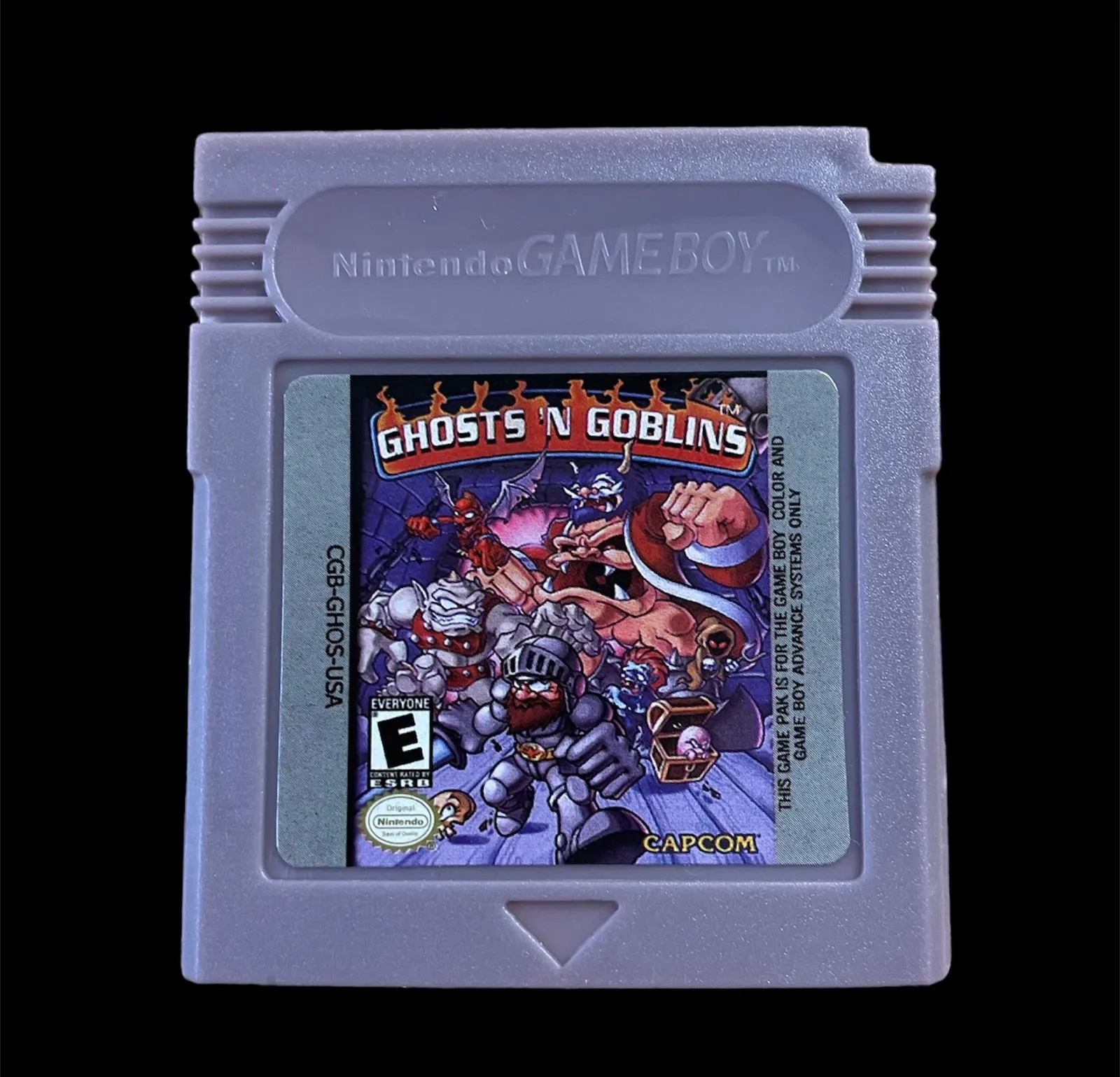
Ghosts 'n Goblins is one of gaming's most legendary and notoriously challenging franchises, created by Tokuro Fujiwara and first released by Capcom as an arcade game in 1985. The Game Boy Color port, released in 2000, brings the classic NES/Famicom version of the game to the handheld with colour graphics and password save functionality. You play as Sir Arthur, a knight on a desperate mission to rescue Princess Prin-Prin from the demon king Astaroth. Armed with lances, daggers, and axes hurled at the relentless undead hordes that swarm each stage, Arthur must survive graveyards, haunted forests, and castle dungeons populated with zombies, ogres, dragons, and Red Arremers. The game's legendary difficulty — Arthur can only survive two hits before losing a life — contributed enormously to its iconic status and helped define the concept of a challenging classic.
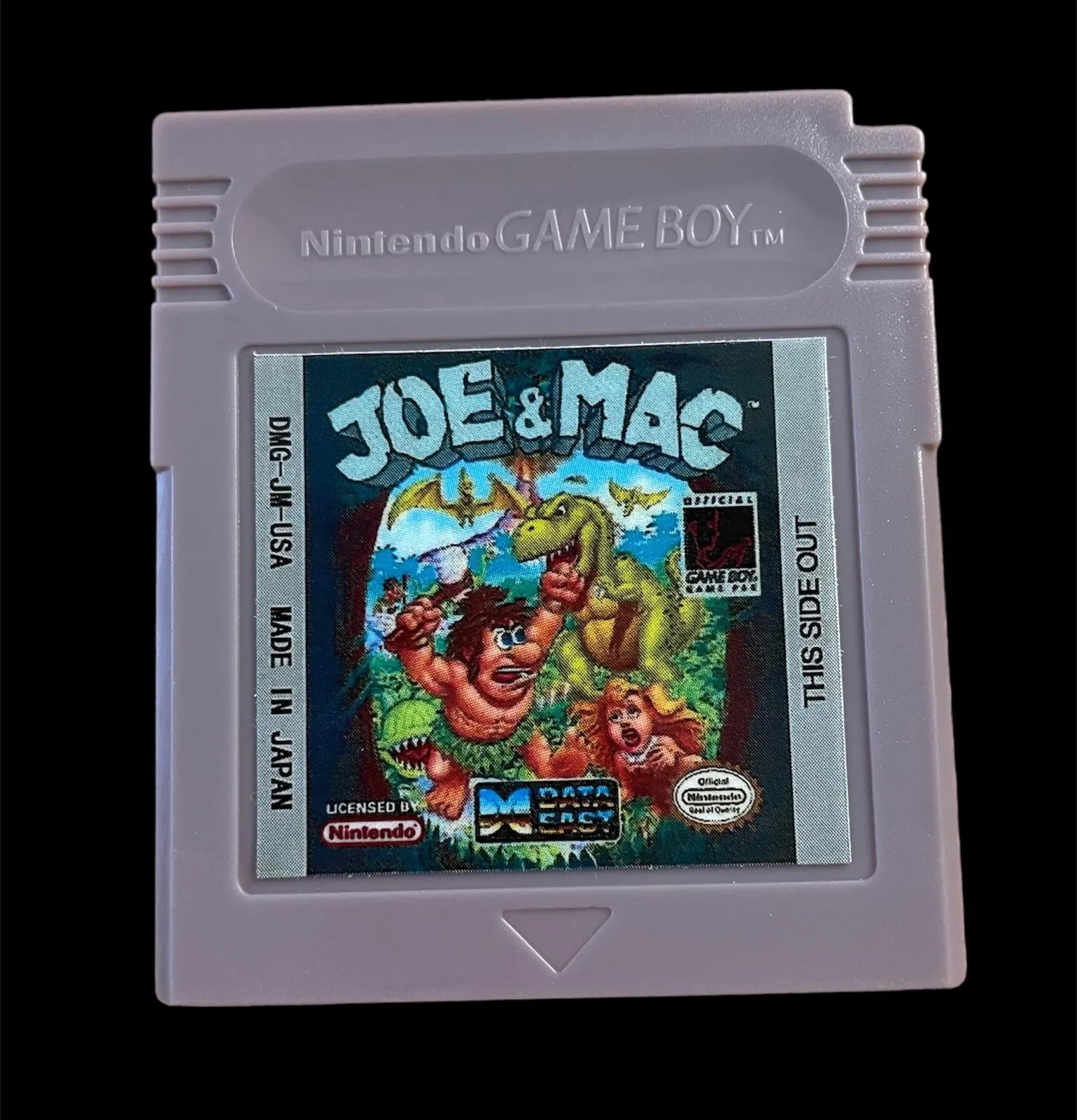
Joe and Mac — also widely known as Caveman Ninja — is a beloved run-and-gun platformer developed and published by Data East for arcades in 1991. The game stars the green-haired Joe and the blue-haired Mac, two wild cavemen who must battle through prehistoric jungles, volcanoes, and dangerous ice stages to rescue a group of women kidnapped by a rival tribe. Their arsenal of prehistoric weapons includes stone wheels, boomerangs, fireballs, flint, and electricity — keeping combat exciting and varied from stage to stage.
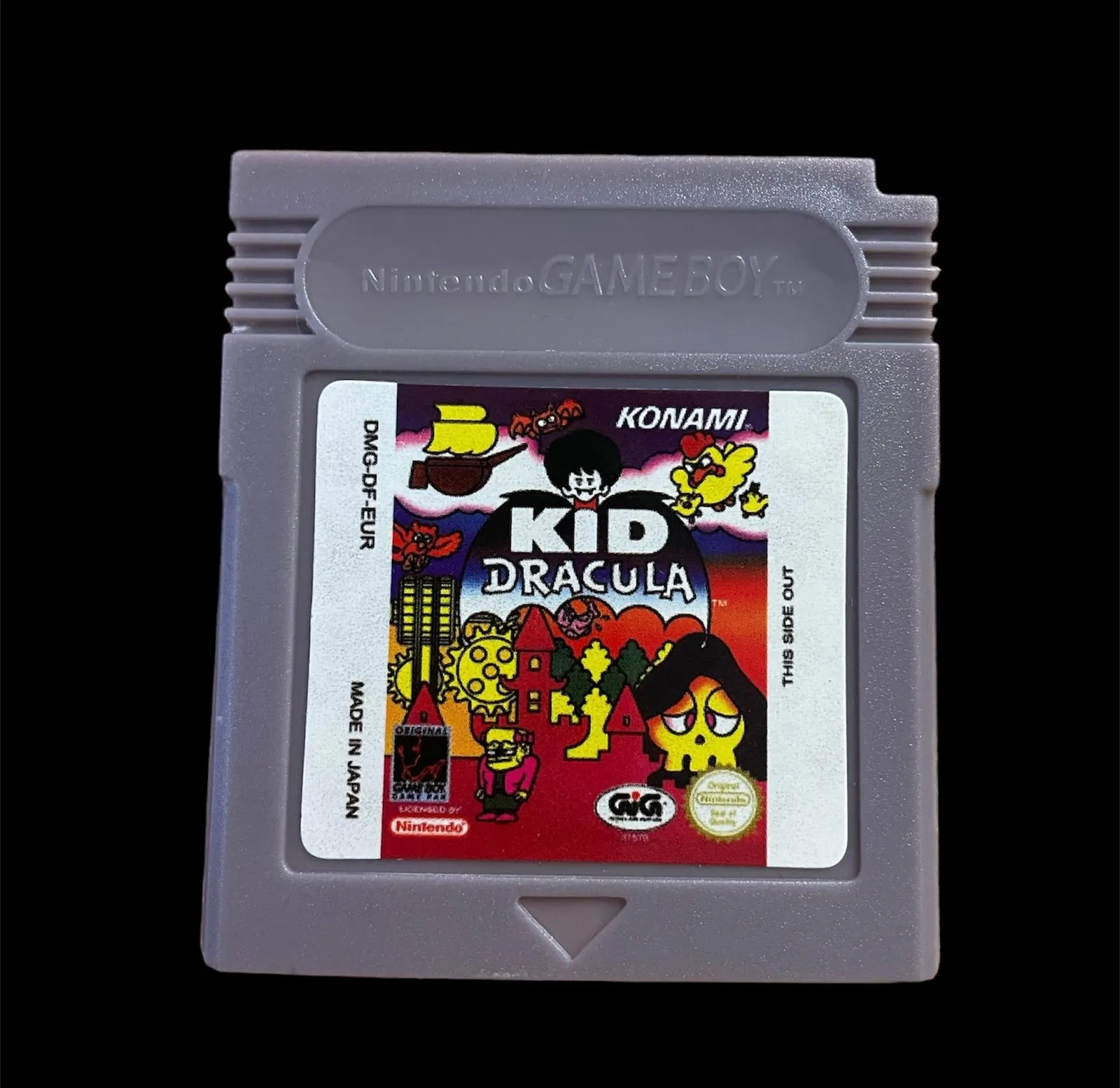
Kid Dracula is a wonderfully irreverent spin-off from Konami's legendary Castlevania series, released for the Game Boy in 1993 in Japan and North America. A sequel to and enhanced remake of the 1990 Famicom title Akumajou Special: Boku Dracula-kun, the game stars a comedic chibi version of Dracula who has forgotten all his supernatural powers during a long slumber. When the wicked Garamoth threatens to seize the castle, Kid Dracula must battle through eight richly themed stages — a ghost pirate ship, a volcanic landscape, a robotics factory, and Dracula's own castle among them — all while gradually recalling his abilities.
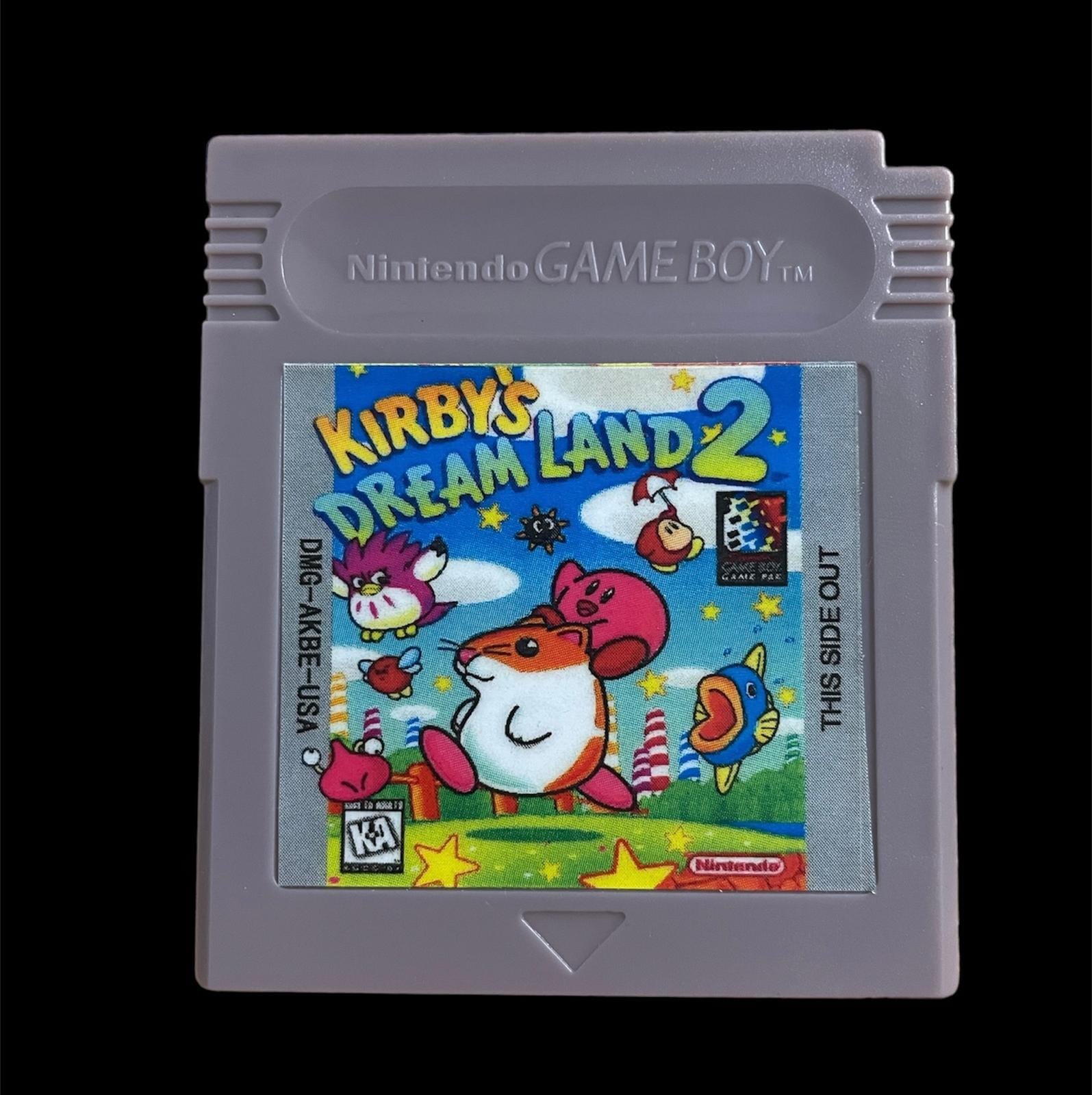
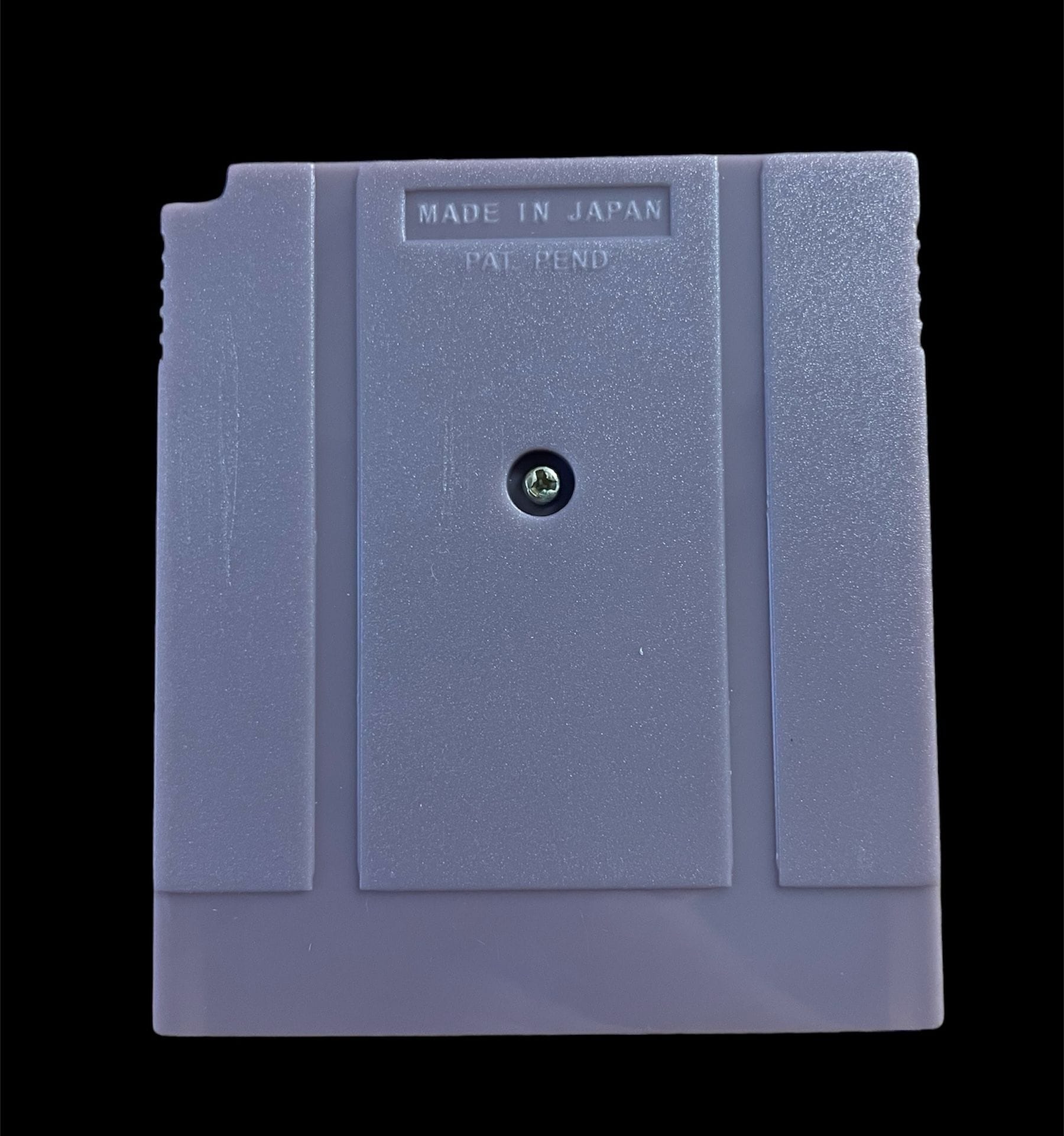
Kirby's Dream Land 2 is a charming and surprisingly deep platformer developed by HAL Laboratory and published by Nintendo for the Game Boy, released in March 1995 in Japan and North America and July 1995 in Europe. A sequel to the original Kirby's Dream Land and a continuation of the adventures that unfolded in Kirby's Adventure on the NES, the game tasks the loveable pink puffball with recovering the Rainbow Bridges connecting Dream Land's islands after the shadowy entity Dark Matter steals them and possesses King Dedede. Collecting seven Rainbow Drops hidden across the game's stages is the key to crafting the Rainbow Sword and banishing Dark Matter for good — but only players who find all seven will see the true ending.
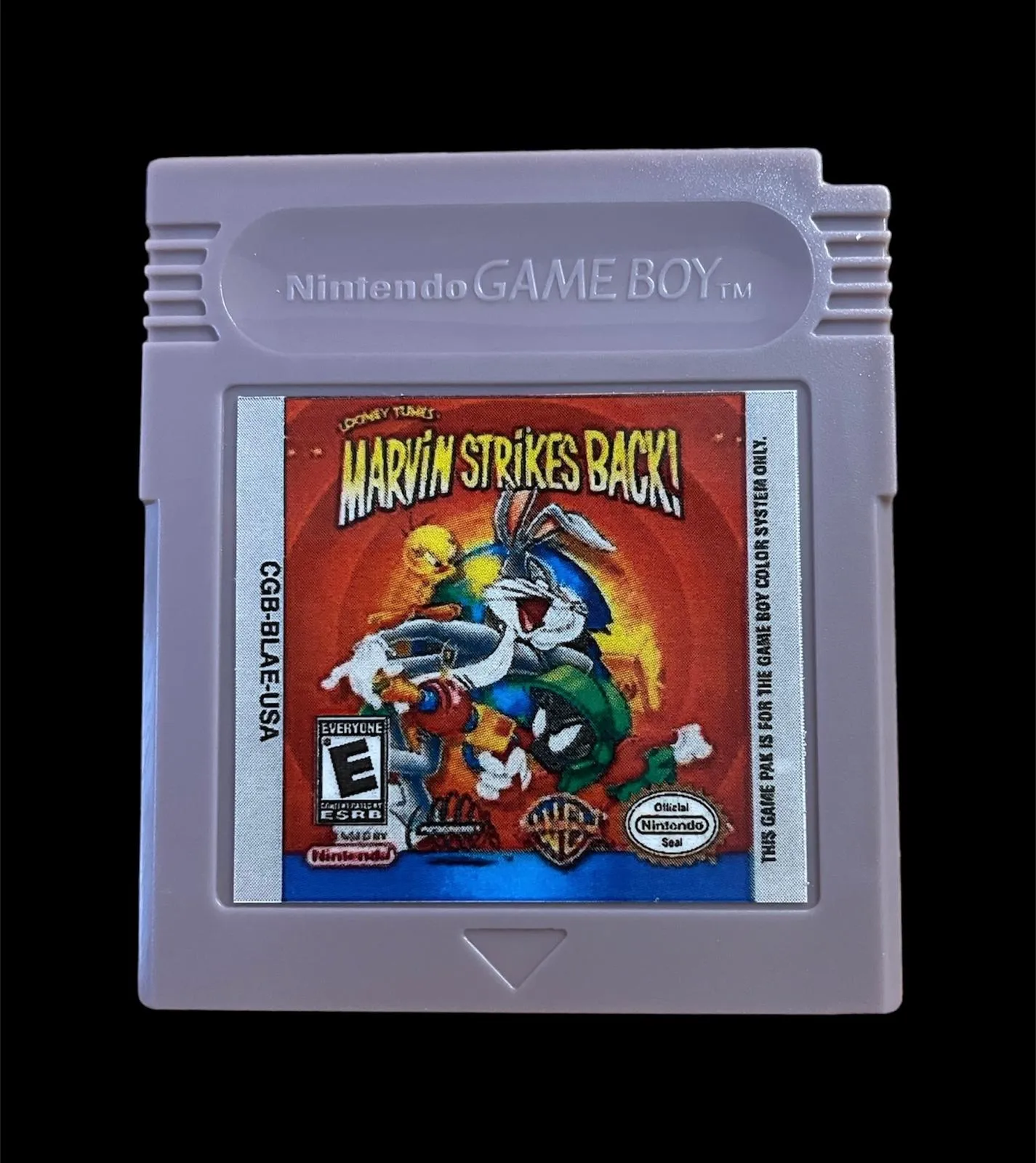
Looney Tunes: Marvin Strikes Back! (known as Looney Tunes Collector: Martian Revenge in Europe) is a Game Boy Color adventure game published by Infogrames in 2000. The story sees Marvin the Martian fuming after the Looney Tunes gang mocked his failed attempt to destroy Earth — so he teams up with his loyal lieutenant K-9 and launches a counter-offensive. It serves as a sequel to Looney Tunes Collector: Alert! and carries over the same collect-and-trade gameplay that made its predecessor popular with fans of the franchise.
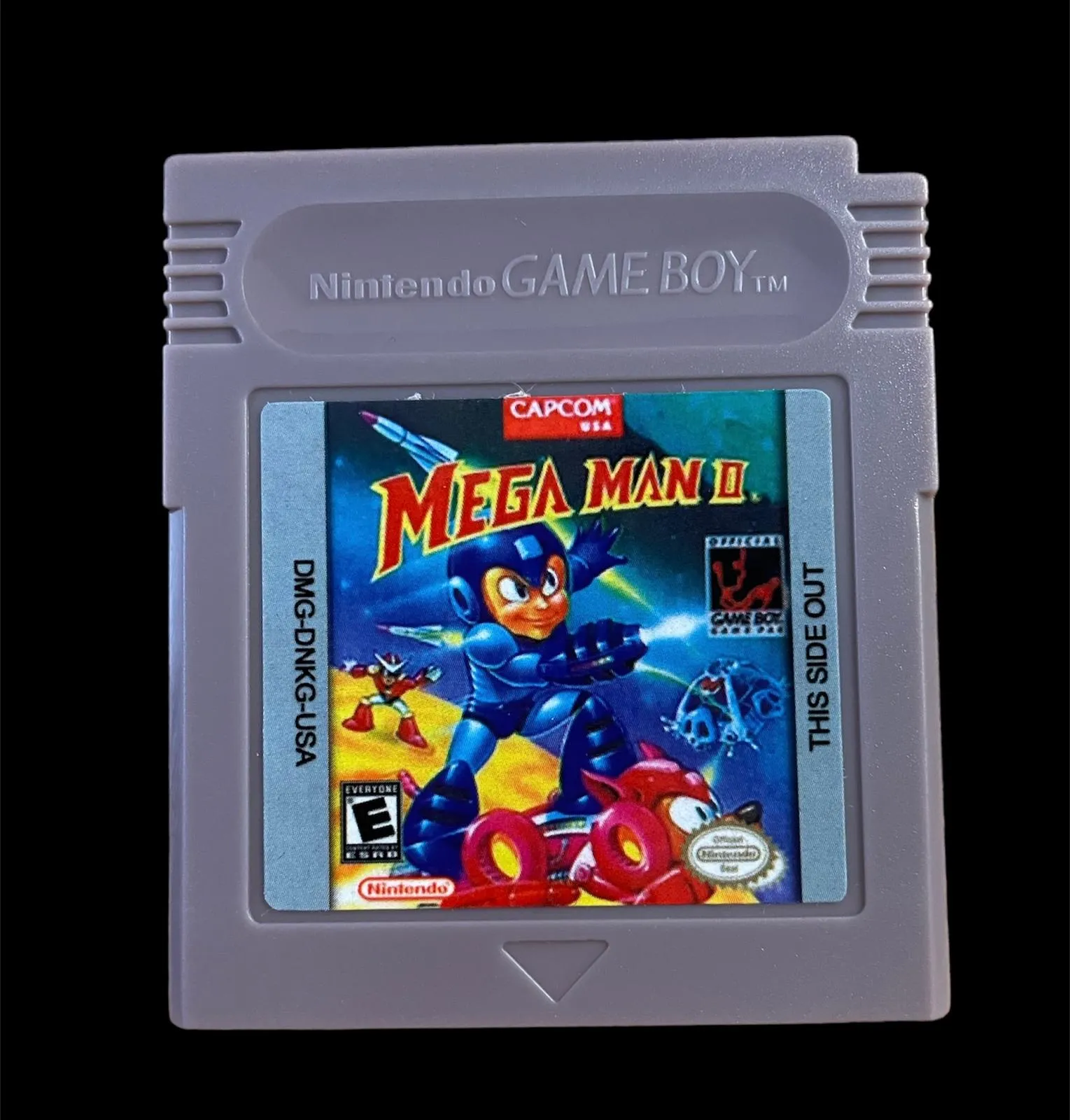
Mega Man II for the Game Boy, published by Capcom in 1991, is the second instalment in the handheld Rockman World series and a fascinating entry in the Blue Bomber's portable adventures. The game's storyline sends Mega Man after the eternally scheming Dr. Wily, who has stolen an experimental time machine — the Time Skimmer — from the world's Chronos Institute and used it to travel decades into the future. Following Wily through time, Mega Man faces Robot Masters drawn from both Mega Man 2 and Mega Man 3 on the NES, blending enemies from two classic 8-bit games into a single portable quest.
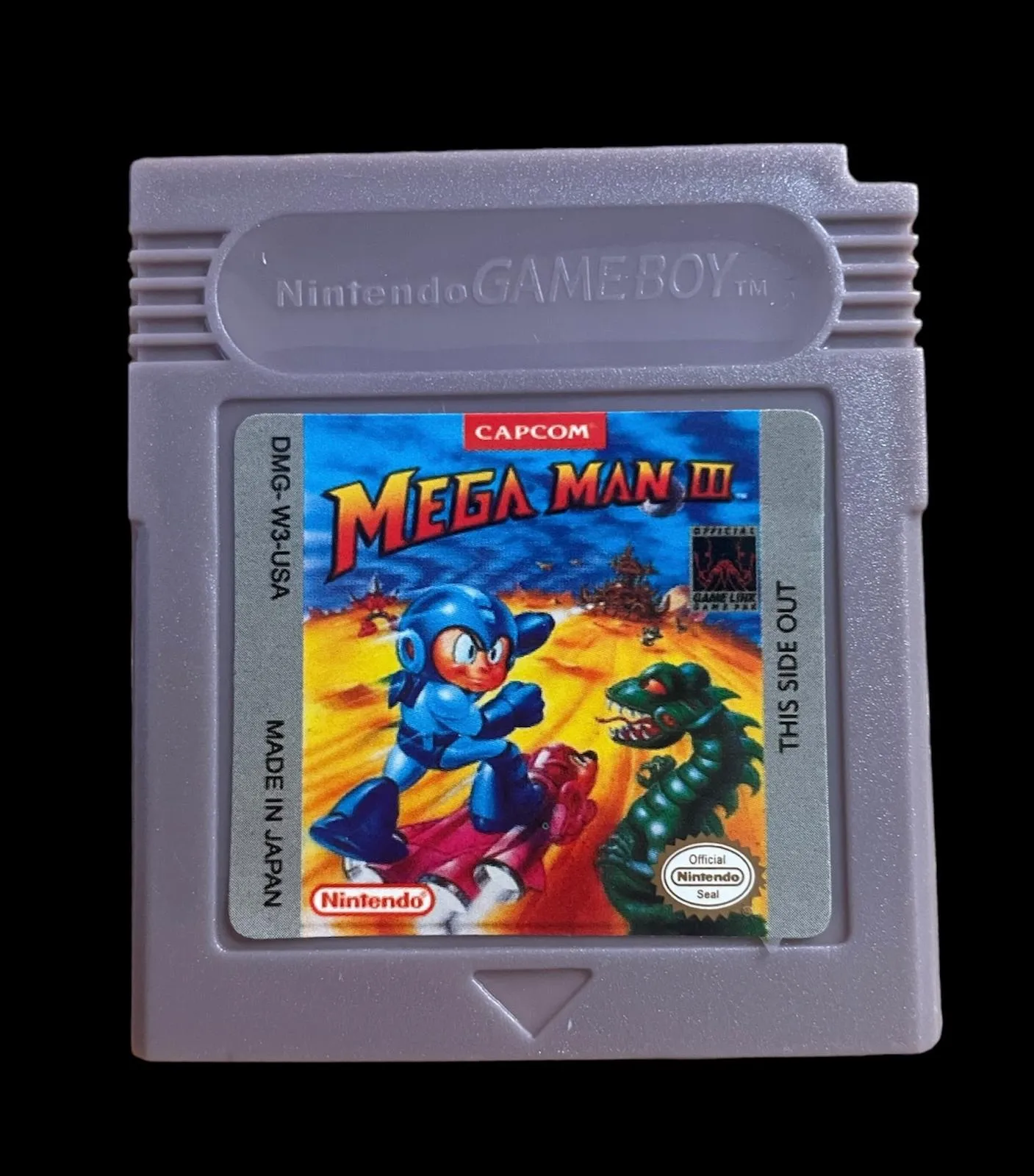
Mega Man III for the Game Boy is Capcom's third portable instalment in the series, developed by Minakuchi Engineering and released in 1992. Like its Game Boy predecessors, it takes bosses and stage design elements from two NES Mega Man games — in this case Mega Man 3 and Mega Man 4 — and reworks them into a standalone handheld adventure that stands confidently on its own merits. The blue bomber faces a new roster of eight Robot Masters before pursuing Dr. Wily to his fortress, and the game introduces the Mega Man Killer Punk, a powerful robot specifically engineered to destroy Mega Man, as a fortress mini-boss encounter.