Shop Catagories
00

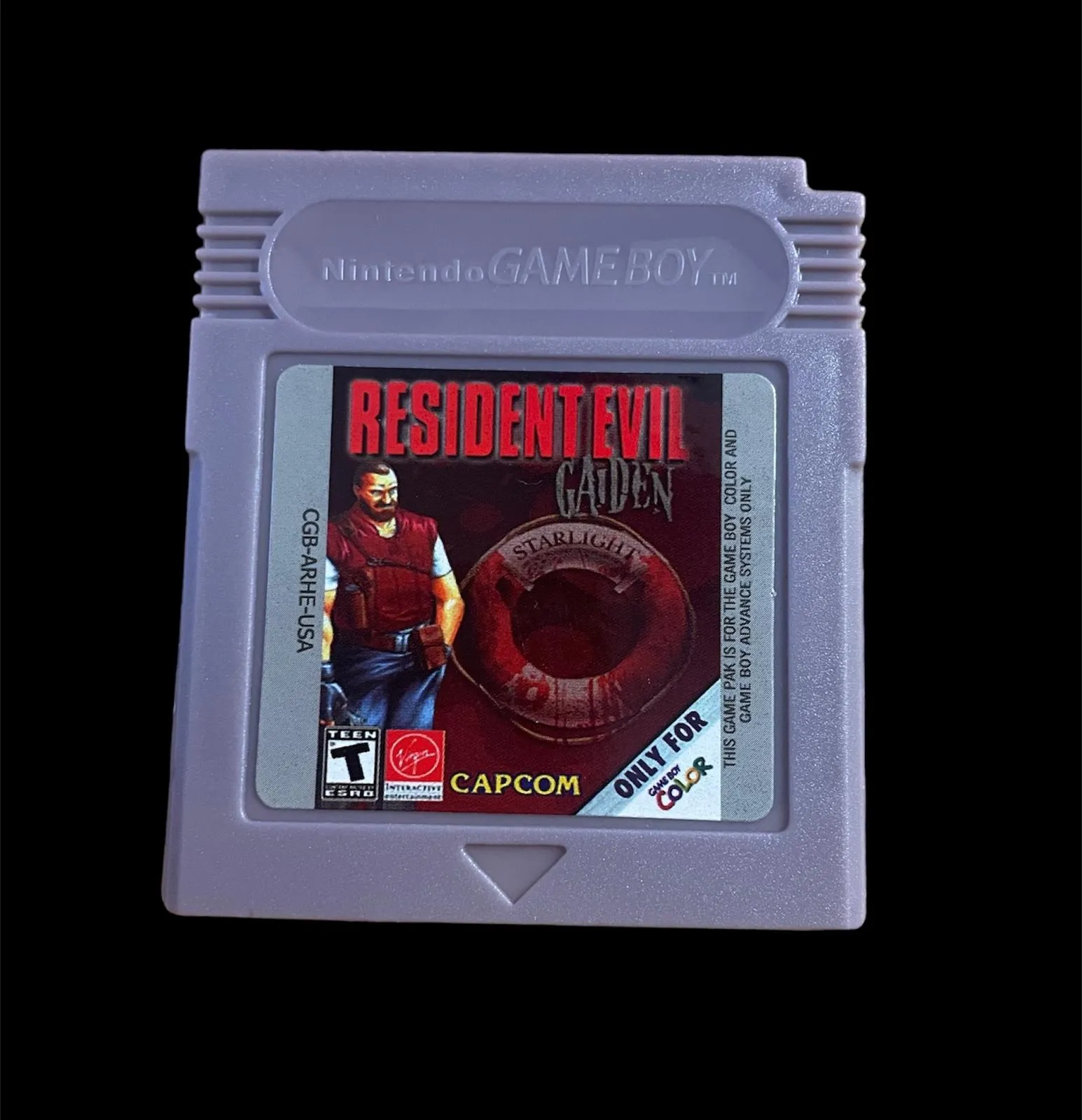
Resident Evil Gaiden is a fascinating and unique chapter in the Resident Evil saga, developed by M4 and released for the Game Boy Color in 2001 in Japan and Europe, with North America receiving it in early 2002 — making it one of the very last games published for the platform. Set aboard the luxury ocean cruiser Starlight, the game brings back fan-favourite characters Leon S. Kennedy and Barry Burton for an original story involving a new bio-organic weapon created by the Umbrella Corporation. The plot takes some genuinely surprising turns, including a memorable twist ending that left players talking long after the credits rolled.
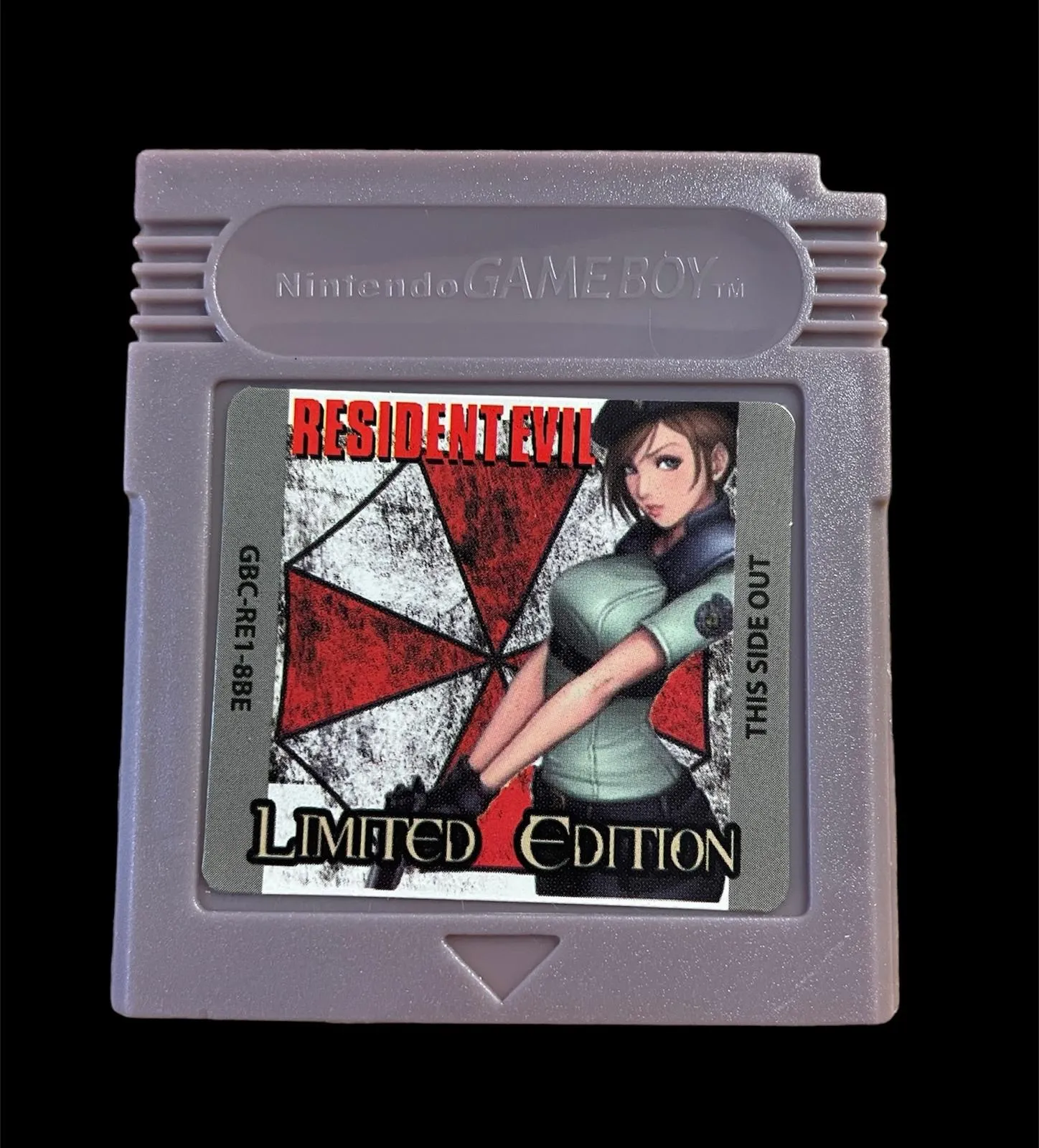
Resident Evil for the Game Boy Color is one of gaming history's most tantalising what-ifs. Developed by British studio HotGen Studios and commissioned by Capcom, this port of the original PlayStation survival horror classic was painstakingly reconstructed for the 8-bit handheld, retaining the iconic Spencer Mansion, its pre-rendered backgrounds, puzzles, characters, and terrifying enemies. The project was shown publicly at E3 in 1999 and was close to completion when Capcom cancelled it in early 2000, citing concerns about quality — a decision that has fuelled debate among fans and developers ever since.
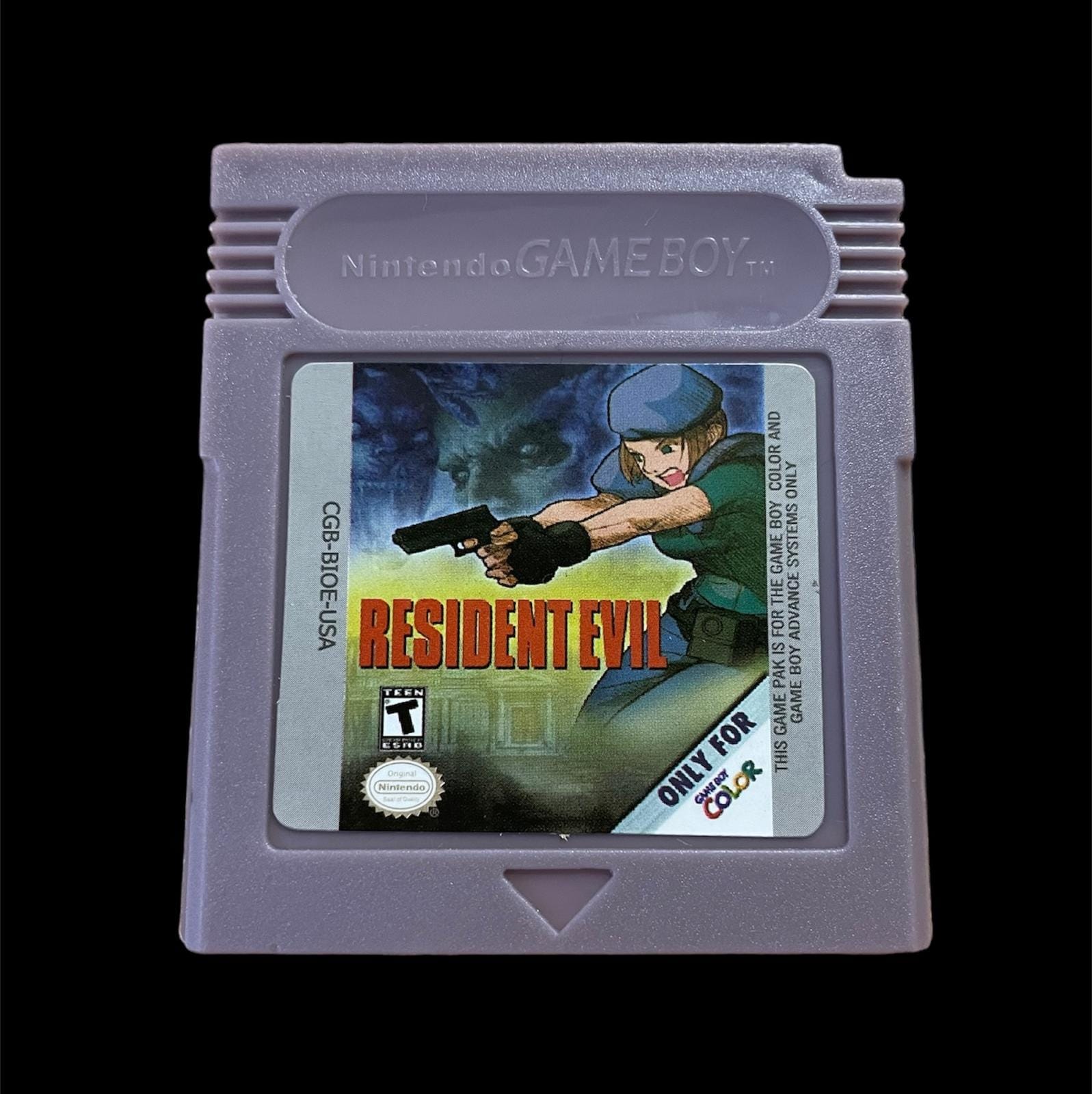
Resident Evil Gaiden is a 2001 action-adventure game developed by M4 and published by Capcom for the Game Boy Color — a remarkable technical achievement given the hardware limitations the developers had to work within. The game is a side-story set within the main Resident Evil universe, following Barry Burton as he boards the luxury ocean liner Starlight to investigate reports that Umbrella Corporation has developed a new Bio-Organic Weapon aboard the ship. Leon S. Kennedy, the protagonist of Resident Evil 2, was sent ahead but has gone missing, and Barry must navigate over 100 rooms across the ship, uncovering the conspiracy while fighting off zombies and more evolved horrors. The gameplay blends a top-down exploration perspective for moving through the ship with a tense first-person view for combat sequences, giving the game a distinctive two-tone feel.
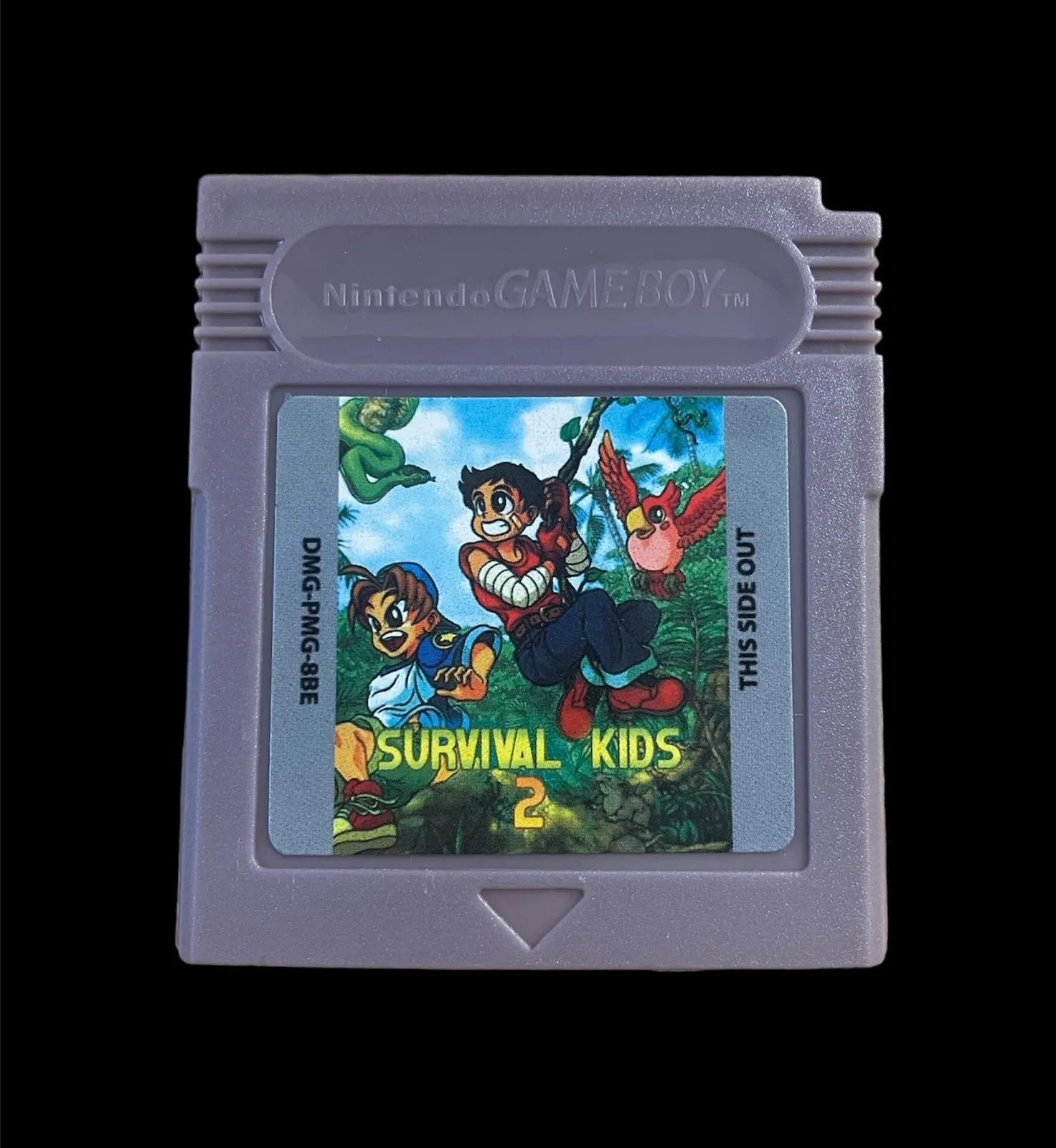
Survival Kids 2, known in Japan as Survival Kids 2: Dasshutsu! Futago Shima (Escape the Twin Islands!!), is the 2000 Game Boy Color sequel to Konami's beloved survival adventure, released exclusively in Japan for the GBC platform. While the first Survival Kids found Western audiences and became a cult favourite for its creative island survival mechanics, the sequel remained Japan-only, making it a sought-after title for collectors and fans who tracked down translated versions to continue the series. The story follows brothers Leo and Van whose camping trip is derailed when a treasure hunter named Kiri drags them into a dangerous adventure across a pair of interconnected islands.
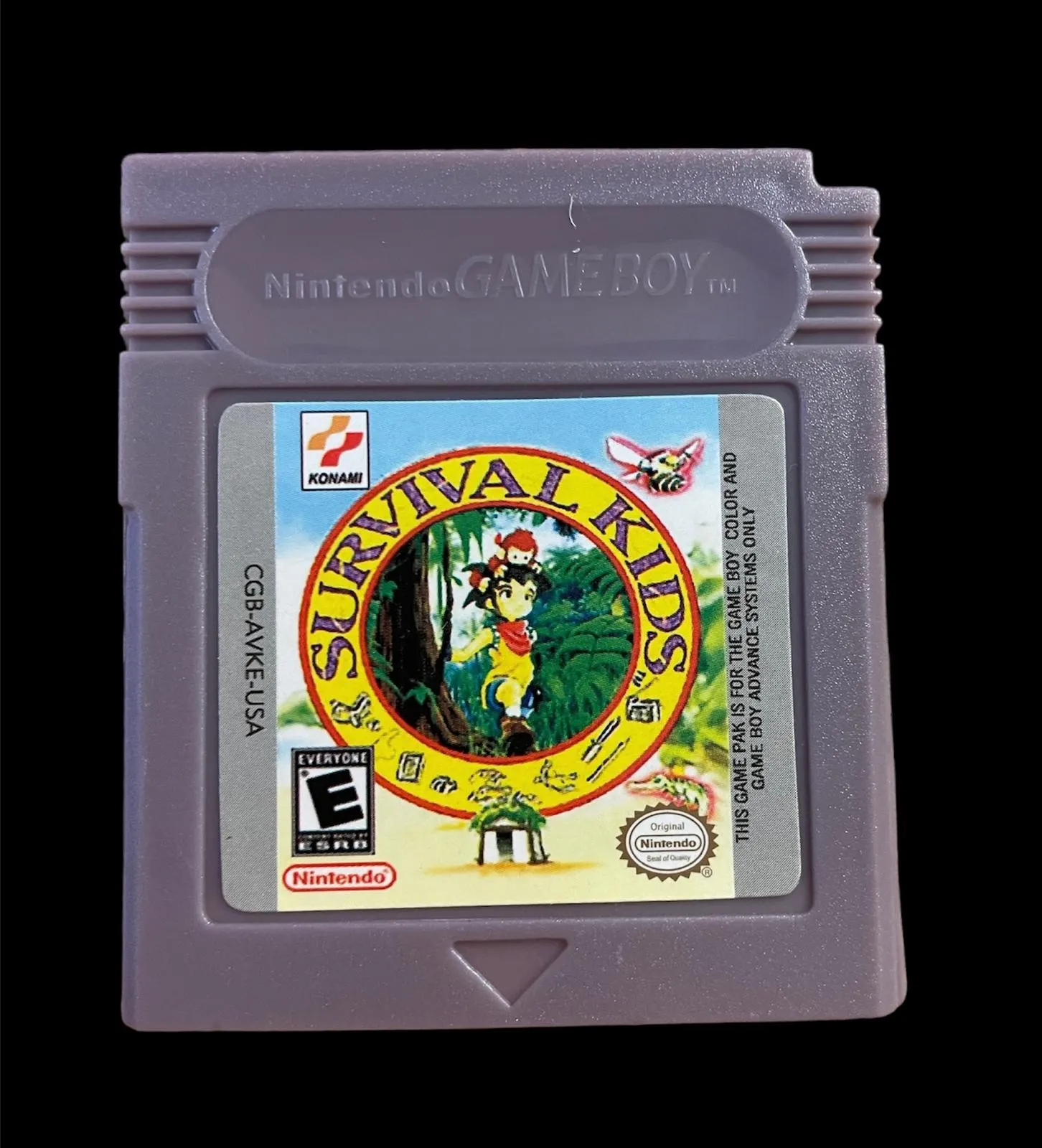
Survival Kids — known as Stranded Kids in Europe — is a landmark 1999 Game Boy Color title developed by Konami that predates the modern survival genre by over a decade. Before Minecraft, before Don't Starve, before any number of crafting and survival sandboxes, Konami shipped a fully realised survival simulator on a handheld cartridge. The premise is elegantly simple: your character has been shipwrecked on a deserted island and must survive long enough to find a way home. What unfolds is a remarkably deep experience that manages hunger, thirst, and fatigue meters alongside a sophisticated item-crafting system that allows dozens of objects to be combined into tools, weapons, and supplies.
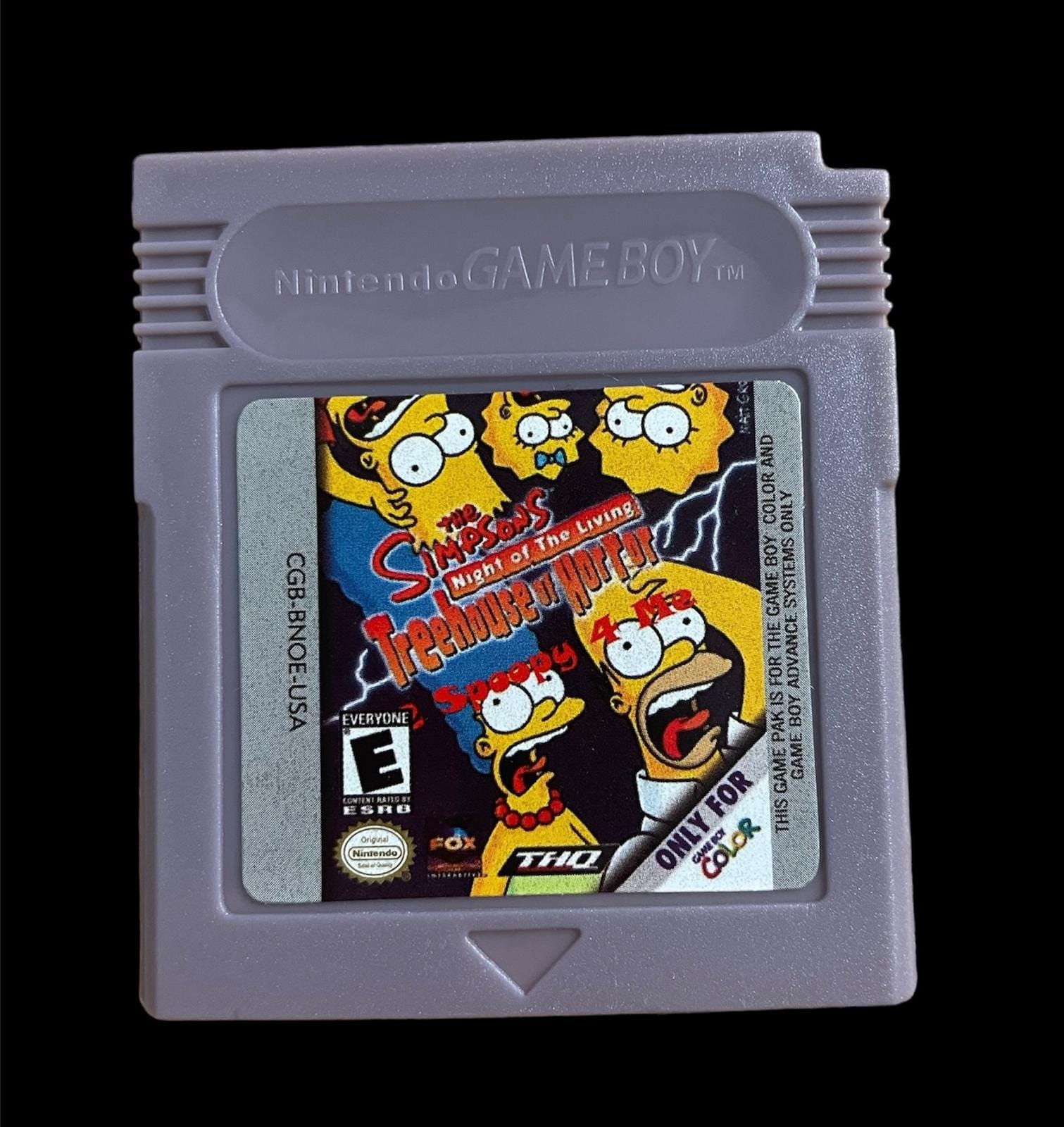
The Simpsons: Night of the Living Treehouse of Horror is a Game Boy Color platformer released in 2001 by THQ, drawing on the iconic Treehouse of Horror Halloween specials that have been a beloved annual tradition of The Simpsons since 1990. The game recreates seven different horror-themed stories from the show's earlier seasons, with each level starring a different Simpson family member and adapting a different episode segment. Players take control of Bart, Homer, Lisa, Marge, and Maggie across wildly varied gameplay styles — from side-scrolling action and exploration to run-and-gun sequences — keeping things fresh from level to level in a way that few handheld platformers of the era attempted.