Shop Catagories
00

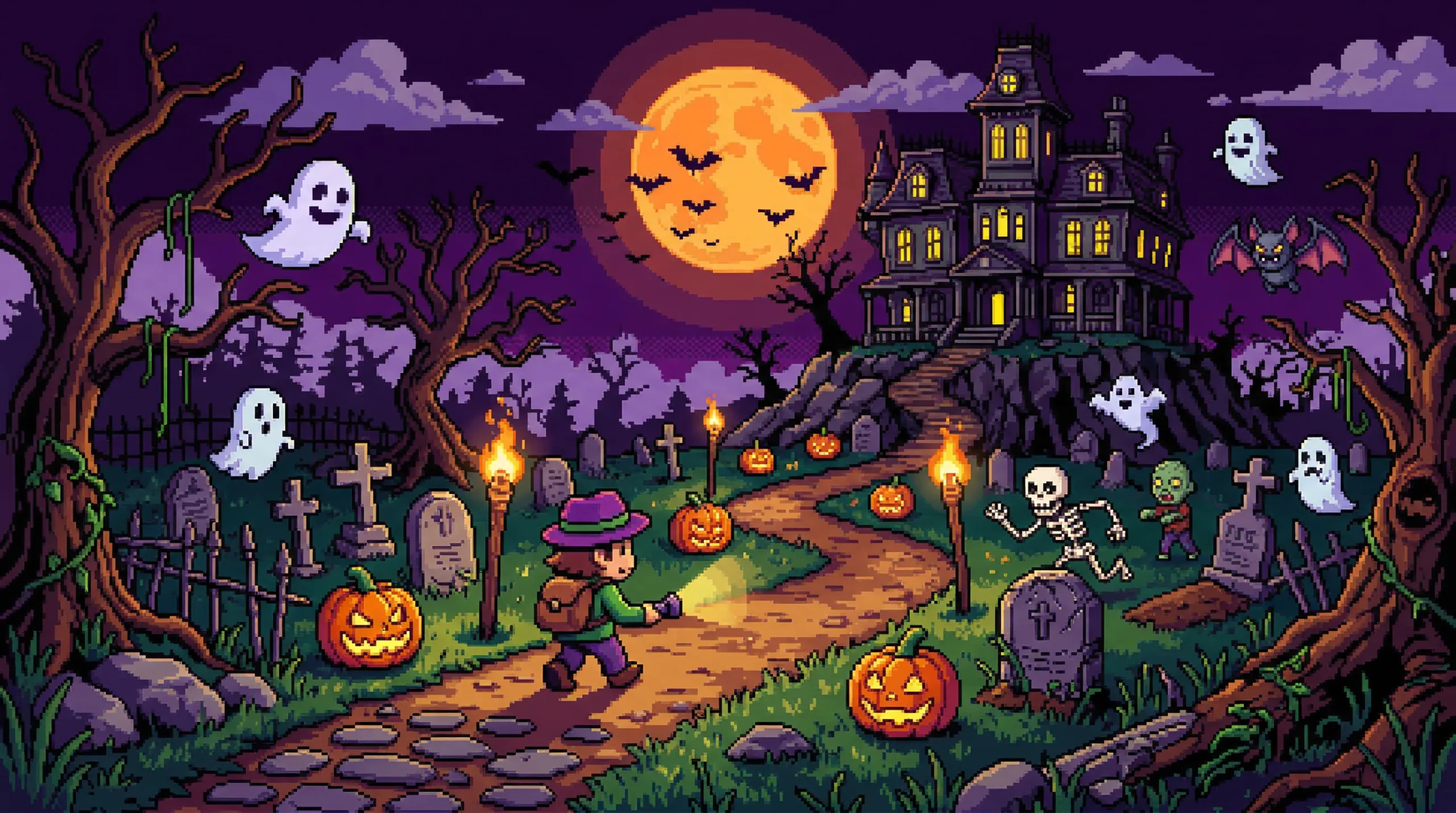
The Treehouse of Horror episodes are among the most beloved entries in the long history of The Simpsons, offering the writers and animators a chance to lampoon horror film classics with the show’s characteristic wit and affection for genre. It was only natural that this format would find its way onto the Game Boy Color, and The Simpsons: Night of the Living Treehouse of Horror, released by THQ in 2000, attempted to capture that same irreverent Halloween spirit in handheld form. Drawing on the anthology format of the television specials, the game delivers a collection of mini-adventures featuring Springfield’s finest in suitably spooky situations.
True to the Treehouse of Horror format, the game is structured as a series of separate stories rather than a single continuous narrative. Players take control of multiple members of the Simpson family across different horror-themed scenarios — Homer, Bart, Lisa, and Marge each have their own chapters that parody classic horror tropes. The Springfield cast appears throughout in various monstrous forms, and the game’s writing attempts to replicate the show’s satirical humour through dialogue and situation. Recognisable villains and settings from the animated specials provide fan service for devotees of the show.
The game is primarily a side-scrolling platformer with elements borrowed from action-adventure games. Each character chapter has a slightly different play style suited to the horror scenario at hand. Bart might be dodging monsters in a haunted school, while Homer battles his way through a zombie-filled Springfield. The gameplay is accessible and broadly in line with what GBC platformers of the era offered, prioritising approachability over deep mechanical complexity.
The chapter-based anthology design mirrors the television format perfectly, giving each section of the game a self-contained horror story with its own visual theme and set of enemies. This structure prevents any single gameplay style from overstaying its welcome and keeps each section feeling fresh.
Switching between family members keeps the experience varied, as each character’s different abilities and scenarios require slightly different approaches. This multiplicity of perspectives also ties neatly into the ensemble nature of the show itself, where the Treehouse segments traditionally feature different characters in different stories.
The game is peppered with references to classic horror films and literature — the same source material that inspired the original Treehouse of Horror television specials. Recognising these references adds an extra dimension of enjoyment for fans of both the show and horror cinema.
The Game Boy Color hardware allows for a rich, appropriately spooky colour palette — deep purples, sickly greens, and Halloween oranges abound. The Simpson character sprites are recognisable and well-animated for the platform, capturing the show’s visual style competently. The audio features suitably eerie arrangements and borrows themes from the television specials, giving the game an authentic Treehouse atmosphere.
Simpsons-licensed games of this era varied enormously in quality, and the Treehouse of Horror Game Boy Color title occupies a comfortable middle ground — not the sharpest licensed game of its generation, but a genuinely entertaining product that treats its source material with affection. For fans of the show’s Halloween specials, it remains a charming and collectible piece of early 2000s gaming nostalgia.
The Simpsons: Treehouse of Horror on Game Boy Color is a fun, fan-service-filled platformer that captures enough of the television specials’ spirit to satisfy devotees of Springfield’s finest. It is a worthwhile addition to any retro Game Boy collection, especially around Halloween.
To view the product page for The Simpsons Treehouse of Horror please click here