Shop Catagories
00

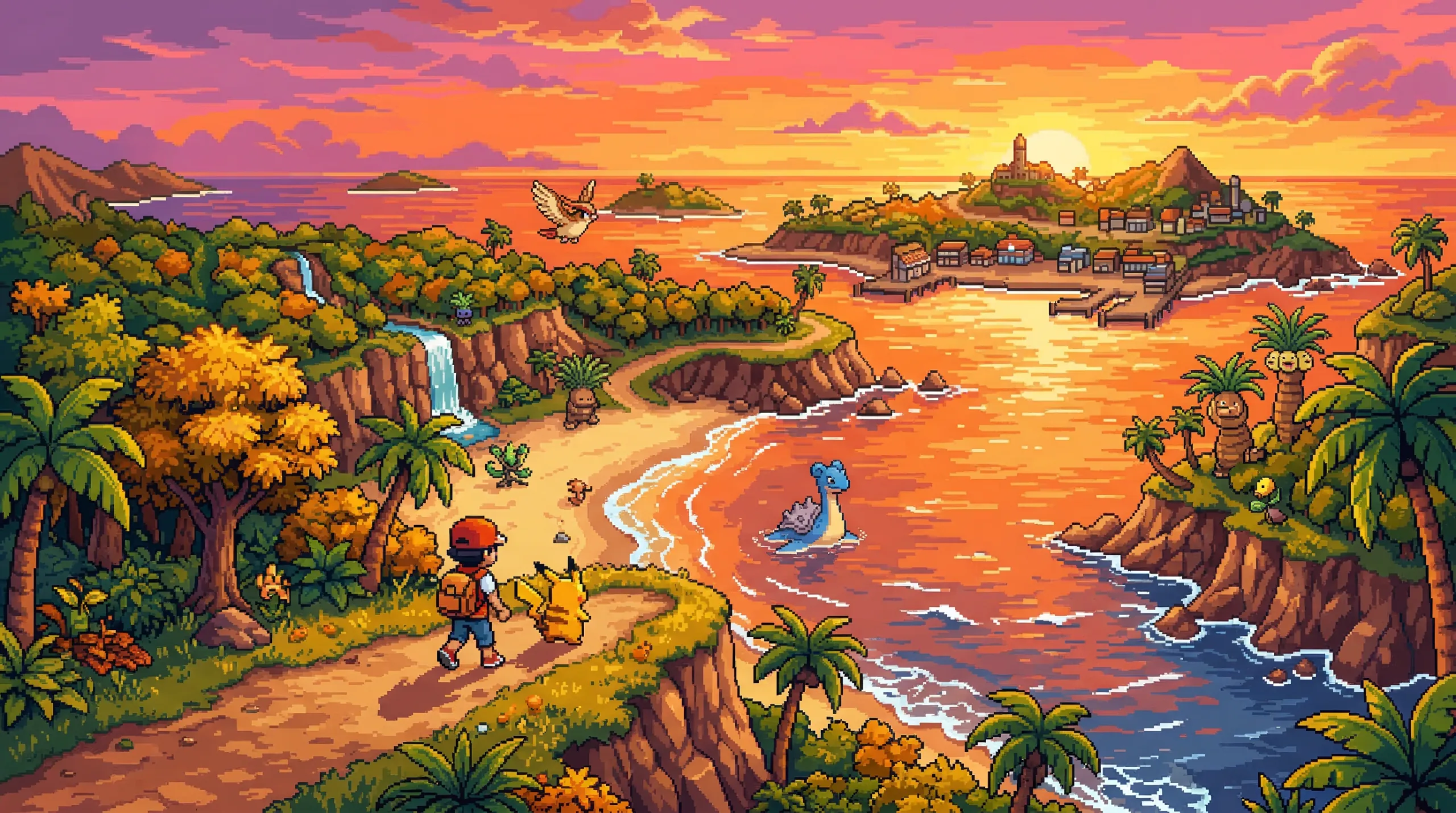
Pokémon Orange is one of the most intriguing entries in the vast landscape of unofficial Pokémon ROM hacks and unlicensed handheld games that proliferated during the late 1990s and early 2000s. Born from the feverish global appetite for all things Pokémon, this unofficial title attempted to capitalise on the franchise’s iconic appeal — in particular the popularity of the Orange Islands arc from the Pokémon anime series. For collectors interested in the unofficial corners of Game Boy history, it represents a fascinating artefact of the era’s most powerful gaming craze.
Drawing inspiration from the Orange Islands saga of the Pokémon animated series, the game centres on a journey through a tropical island chain setting. Players take on the role of a young trainer navigating the Orange Archipelago — the anime’s equivalent region to the mainland Kanto — encountering island-specific Pokémon variants and battling Orange League-style challenges. The narrative borrows heavily from the anime’s storylines, including elements inspired by the mysterious GS Ball subplot, giving it a genuine appeal for fans of the television series who wanted to experience those adventures in interactive form.
The gameplay follows the familiar top-down RPG structure of the official Pokémon games, with turn-based battles, gym challenges, and overworld exploration forming the backbone of the experience.
Rather than conventional type-based gym battles, the game incorporates elements of the anime’s Orange League format, which featured skill-based challenges testing accuracy, speed, and strategy rather than simple type matchups. This gives the game a flavour distinct from the mainstream series.
The tropical island setting provides a visually distinct backdrop for exploration, with multiple islands to visit and discover. The geography differs meaningfully from Kanto’s urban-to-wilderness progression, lending the game a refreshing sense of adventure.
At its core, the turn-based battle system mirrors that of the official games — choose moves, manage PP, and level up your team. Players familiar with the mainline series will find the mechanics immediately approachable.
The visual presentation borrows heavily from the official Game Boy Pokémon games, with familiar sprite styles and interface designs. The island-themed environments add some visual variety, and the audio draws from the franchise’s recognisable musical motifs. As an unofficial title, production values are naturally modest compared to official releases, but the game maintains enough visual coherence to be enjoyable.
As a piece of unlicensed gaming history, Pokémon Orange captures the extraordinary cultural moment when Pokémon was the defining phenomenon of global youth culture. Games like this — unofficial, imperfect, but genuine labours of fan enthusiasm — are important historical documents of that era’s passion.
For collectors with an interest in the unofficial history of Game Boy gaming and Pokémon fandom, Pokémon Orange is a fascinating addition to the shelf. It is not a polished Nintendo product, but it is a genuine piece of the Pokémon phenomenon’s cultural story.
To view the product page for Pokémon Orange please click here