Shop Catagories
00

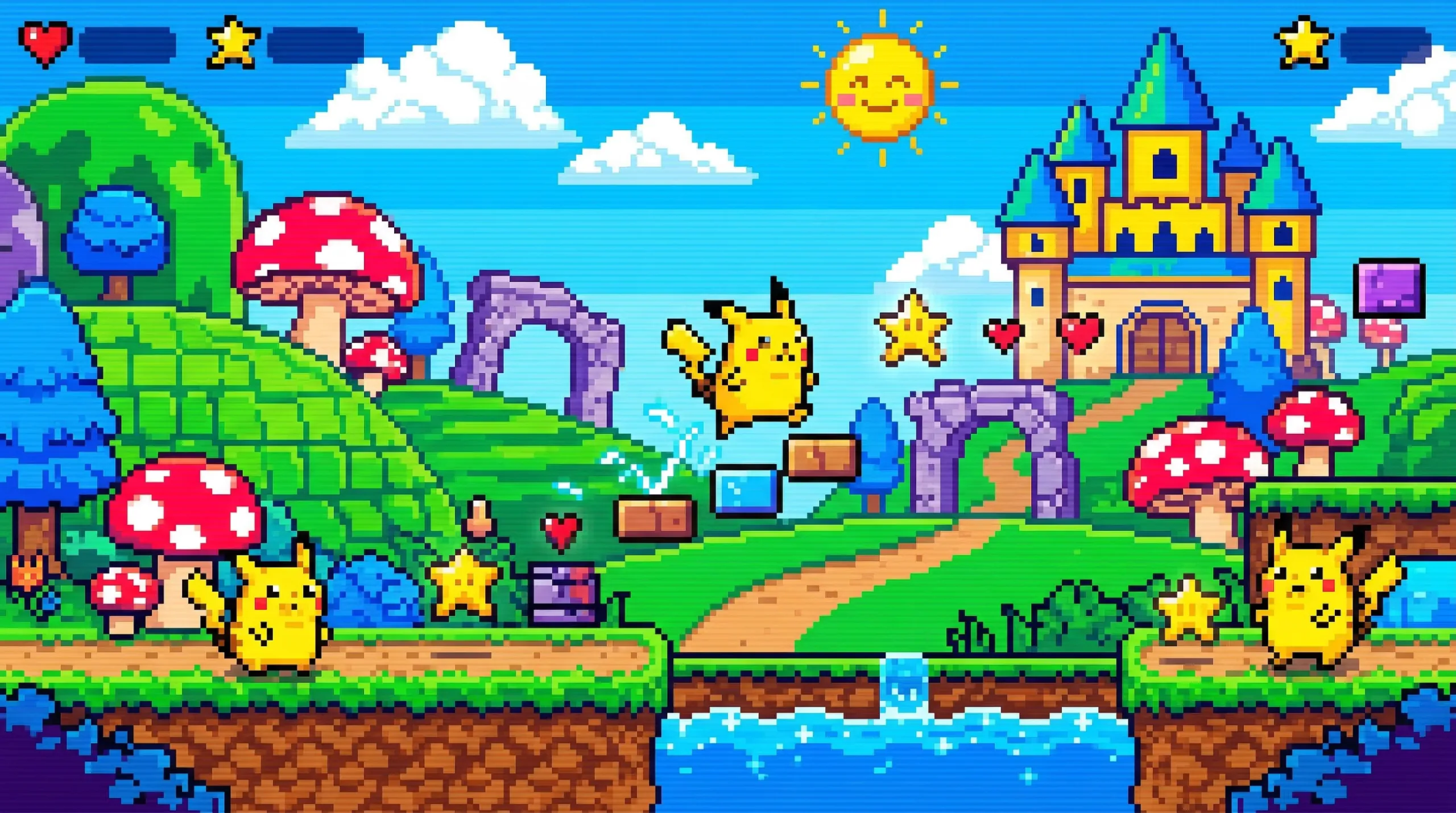
Super Pika Land is a fascinating curiosity from the peak of the late-1990s Pokémon craze — an unlicensed Game Boy title that capitalised on the world’s insatiable appetite for all things Pikachu. Released as part of a wave of unofficial handheld games flooding the market during that era, Super Pika Land represents the kind of scrappy, bootleg gaming history that collectors find endlessly intriguing. While it lacks the polish of official Nintendo releases, it offers a genuine window into the cultural phenomenon that Pokémon had become by the turn of the millennium.
At its core, Super Pika Land is a platform action game built around the iconic yellow mascot. Players guide a Pikachu-like character through side-scrolling levels, avoiding obstacles and enemies in the tradition of classic 8-bit platformers. The controls are simple and accessible — jump, run, and use a basic attack to clear the path ahead. The level design borrows liberally from the platformer playbook of its era, offering straightforward stage progression with increasing difficulty. While the game cannot compete with the sophistication of Nintendo’s official Game Boy platformers, it serves as a playable memento of a remarkable moment in gaming and popular culture history.
The mechanics in Super Pika Land are deliberately simple, making the game accessible to younger players. A lives system and basic scoring keep the gameplay loop familiar to anyone raised on 8-bit action games.
The tight, two-button control scheme means there is almost no learning curve. Jump over hazards, defeat enemies, and reach the end of each stage — the kind of pick-up-and-play design that worked perfectly for gaming on the go in the Game Boy era.
The game’s main appeal is its liberal use of Pikachu’s likeness, with sprite work that is a clear homage to Nintendo’s official design. For young fans desperate for more Pokémon content in any form, this was a novelty in itself.
Levels increase in challenge as the game progresses, introducing new enemy types and more demanding platforming sequences that give the game modest replay value for those chasing high scores.
Given its unofficial origins, the visual presentation is surprisingly competent. The monochrome sprites are clear and recognisable on the original Game Boy’s screen, and the character animations are smooth enough to keep the gameplay readable. The audio features simple chiptune melodies typical of the era — nothing that will lodge itself in your memory the way an official Nintendo soundtrack might, but perfectly adequate background accompaniment for a casual play session.
Super Pika Land is a collector’s piece rather than a critical landmark, but its cultural value is genuine. It stands as physical evidence of how thoroughly Pokémon had permeated global popular culture by the late 1990s — a phenomenon so powerful that unofficial products flooded markets worldwide. For retro game historians, titles like this tell a story that official releases cannot: they document the raw, unfiltered enthusiasm of a fanbase that simply could not get enough.
If you are building a comprehensive Game Boy collection or have an interest in the unofficial and unlicensed corners of gaming history, Super Pika Land is a genuinely interesting addition. It is not a technical masterpiece, but it is a charming artefact of one of gaming’s greatest cultural moments — and that makes it worth having on the shelf.
To view the product page for Super Pika Land please click here