Shop Catagories
00

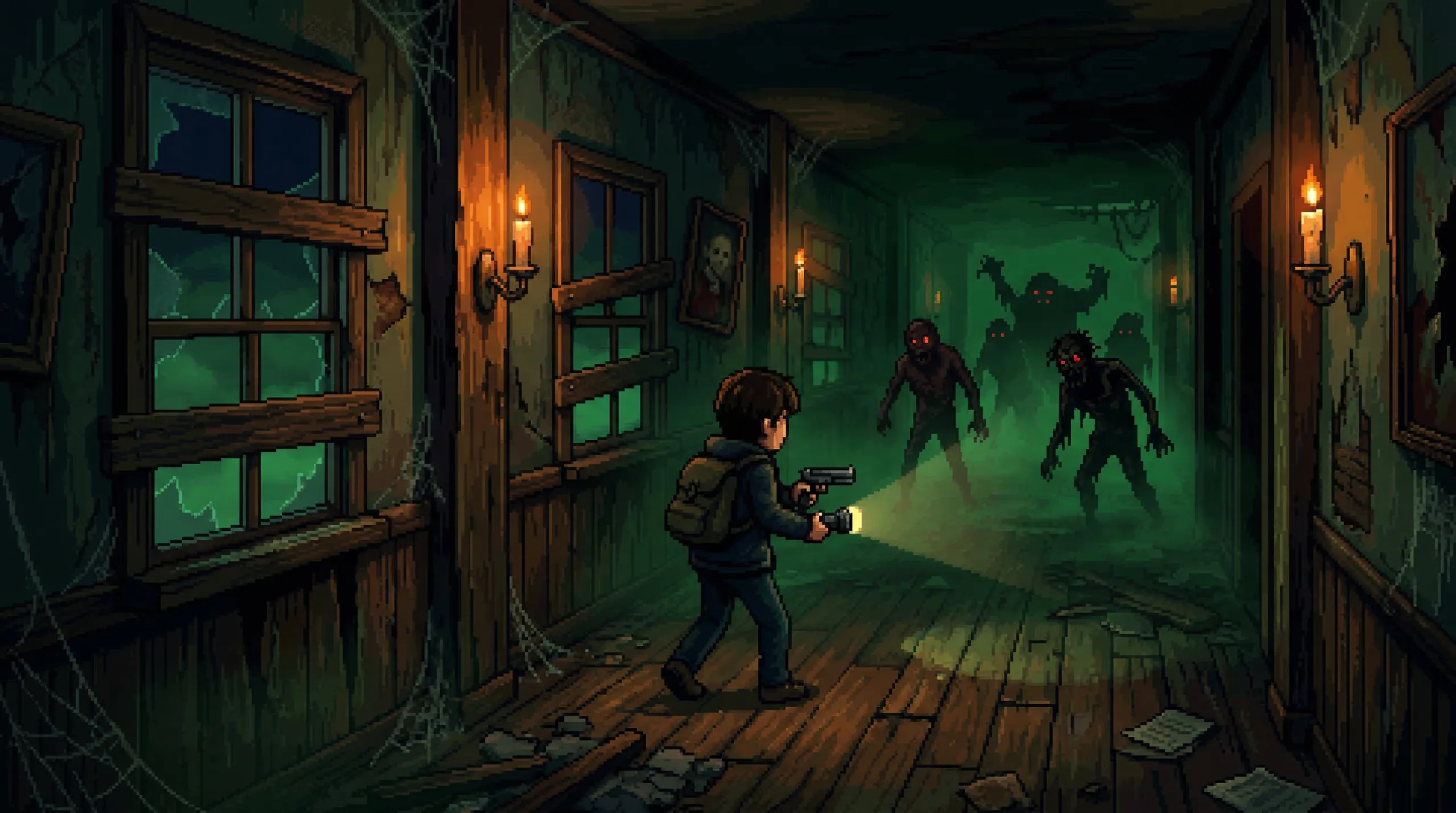
The Resident Evil Game Boy Color cartridge is one of gaming’s most fascinating what-ifs. In the late 1990s, Capcom licensed the RE franchise to HotGen Studios for an ambitious GBC adaptation. The game was developed to near-completion — screenshots and previews appeared in gaming magazines — before Capcom famously pulled the plug, citing quality concerns. The game never officially released, making the cartridges in circulation today unauthorised productions based on the near-complete development build. This makes the Resident Evil GBC one of the most legendary and unusual items in the entire retro gaming world.
The GBC adaptation follows the broad strokes of the original 1996 Resident Evil: members of S.T.A.R.S. Alpha Team investigate the disappearance of their Bravo colleagues in the Arklay Mountains, only to find themselves trapped in the infamous Spencer Mansion overrun by Umbrella Corporation’s escaped biological weapons — zombies, hunters, and worse. Players can choose between Chris Redfield or Jill Valentine, with slightly different item inventories and story access reflecting the original’s structure.
The GBC version is a top-down adaptation rather than a direct port of the 3D original — the pre-rendered backgrounds and tank controls of the PlayStation game are replaced with a bird’s-eye perspective better suited to handheld hardware. Despite this fundamental shift, the core survival horror elements are preserved: limited ammunition, inventory management, puzzle-solving, and the constant threat of enemies that can overwhelm an unprepared player.
Ammunition and healing herbs are scarce and must be managed carefully. The agonising decisions familiar from the console original — do I use my last shotgun shell on this zombie or save it for a potential bigger threat? — are faithfully replicated in the handheld format.
The limited inventory forces players to leave items in storage boxes and plan routes through the mansion carefully. This spatial puzzle of item distribution is one of survival horror’s most distinctive design elements and is present here in recognisable form.
Chris and Jill have different starting loadouts and certain story elements vary between campaigns, giving the game genuine replay value in the tradition of the original. Jill’s access to the lockpick versus Chris’s ability to carry more items creates meaningfully different play experiences.
For a GBC title, the Resident Evil adaptation is genuinely atmospheric. Dark colour palettes, detailed sprite work for the Spencer Mansion rooms, and well-designed enemy sprites capture the horror aesthetic effectively. The audio is appropriately tense — ambient sounds and musical stings borrowed from the series create a mood that is remarkable for the hardware.
The Resident Evil GBC release occupies a unique place in gaming history as a near-complete game that was cancelled before release. It represents both the ambition of the survival horror genre’s portable expansion and a fascinating example of gaming history that was nearly lost entirely. For collectors, owning this cartridge is owning a genuine piece of that history.
The Resident Evil GBC cartridge is genuinely playable, atmospherically effective, and historically significant. Whether you are drawn by the survival horror gameplay, the RE lore, or simply the remarkable story of this game’s near-disappearance from history, it is a must-have for serious retro collectors.
To view the product page for Resident Evil please click here