Shop Catagories
00
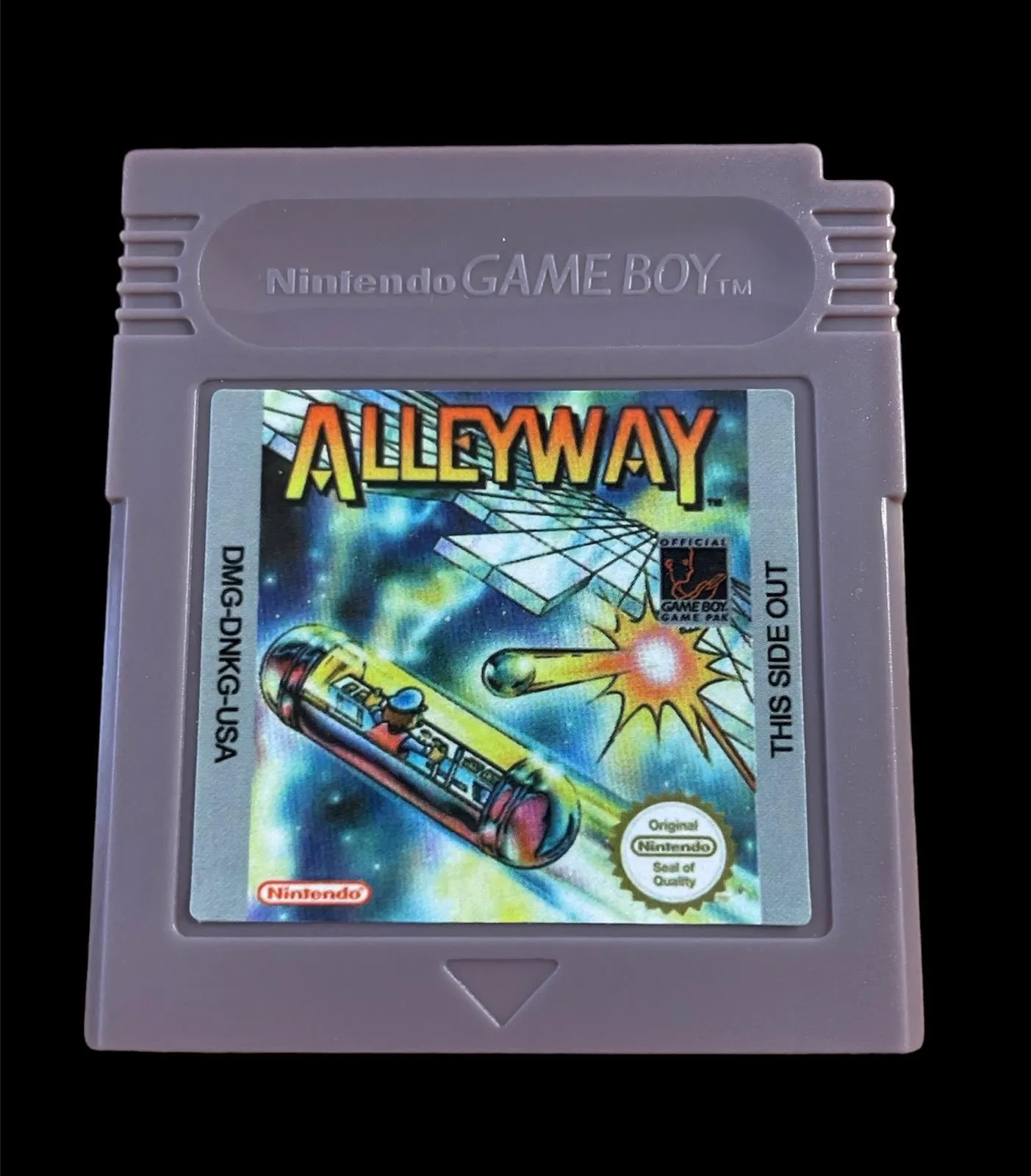
Alleyway holds a special place in Game Boy history as one of the four Japanese launch titles that accompanied the handheld's debut in 1989, alongside Super Mario Land, Baseball, and Yakuman. Developed by Nintendo and Intelligent Systems, it is a lovingly crafted Breakout-style game in which players control a paddle to ricochet a ball and destroy patterns of bricks across dozens of imaginative stages. What sets it apart from a straightforward Breakout clone is the variety in its stage layouts and the appearance of a tiny Mario at the controls of the paddle, adding a layer of Nintendo charm to the classic formula.
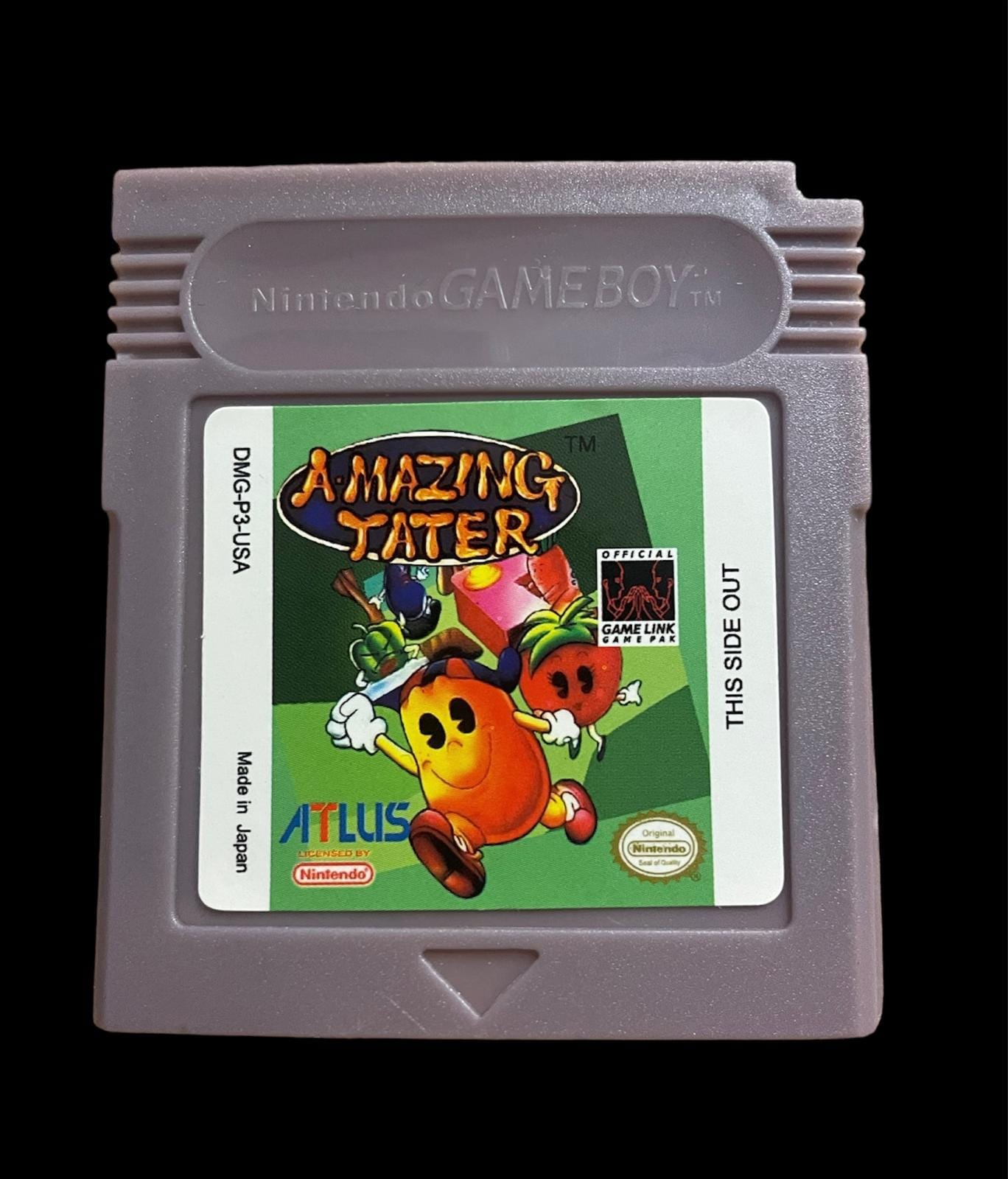
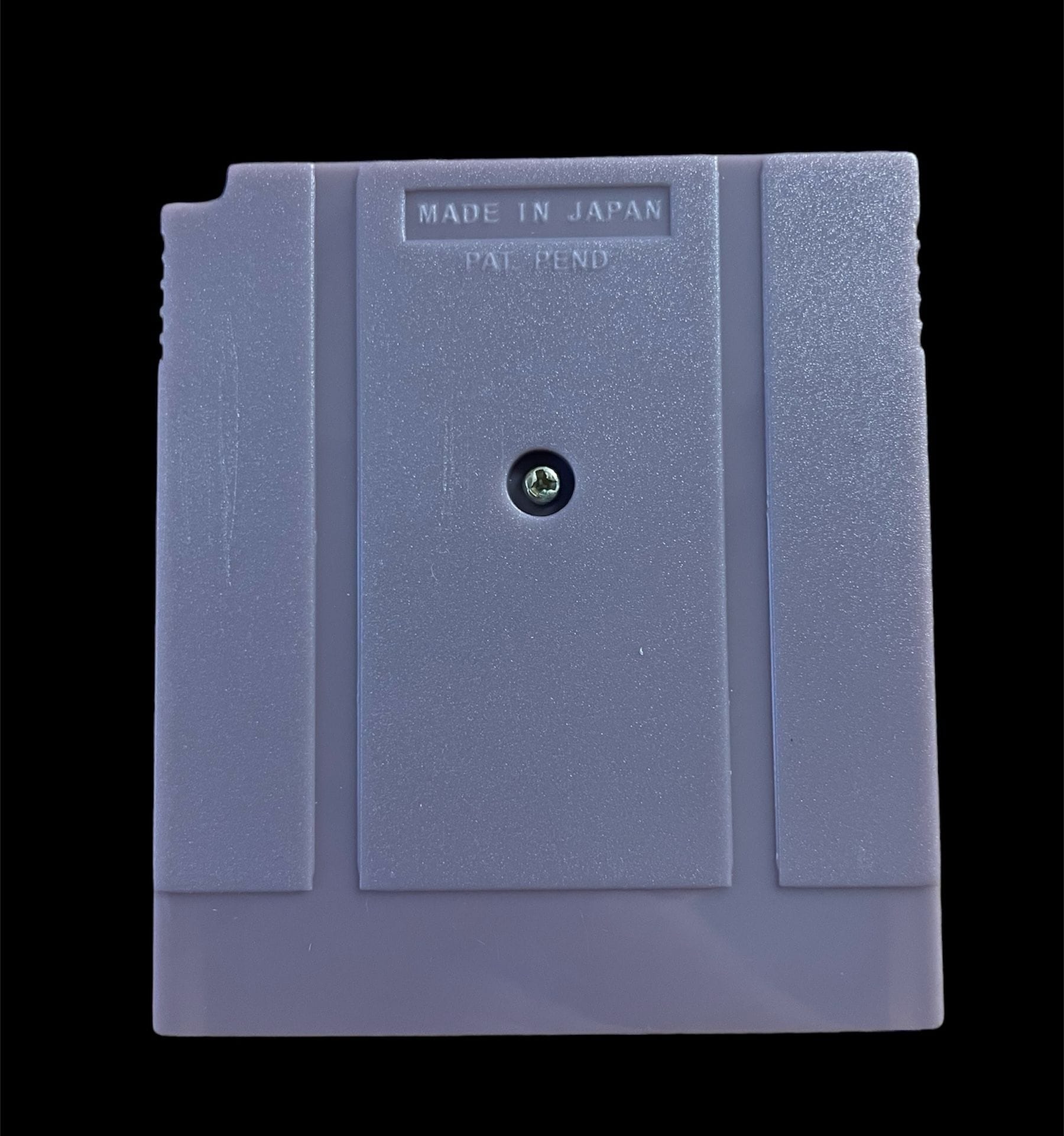
Amazing Tater is one of the rarest and most sought-after games in the entire Game Boy library. Developed and published by Atlus — now renowned for the Persona series — it was released in North America in February 1992 and is known in Japan as Puzzle Boy II, serving as the sequel to the earlier Game Boy puzzle game Kwirk. The game stars Spud, a potato on a quest to pass the King's Challenge and become a Knight, which involves navigating a series of increasingly devious block-pushing puzzles. Players must guide Spud to the exit of each stage by pushing crates to fill holes, manipulating rotation devices, and carefully planning a route through each obstacle-filled environment — a formula that demands genuine spatial reasoning.
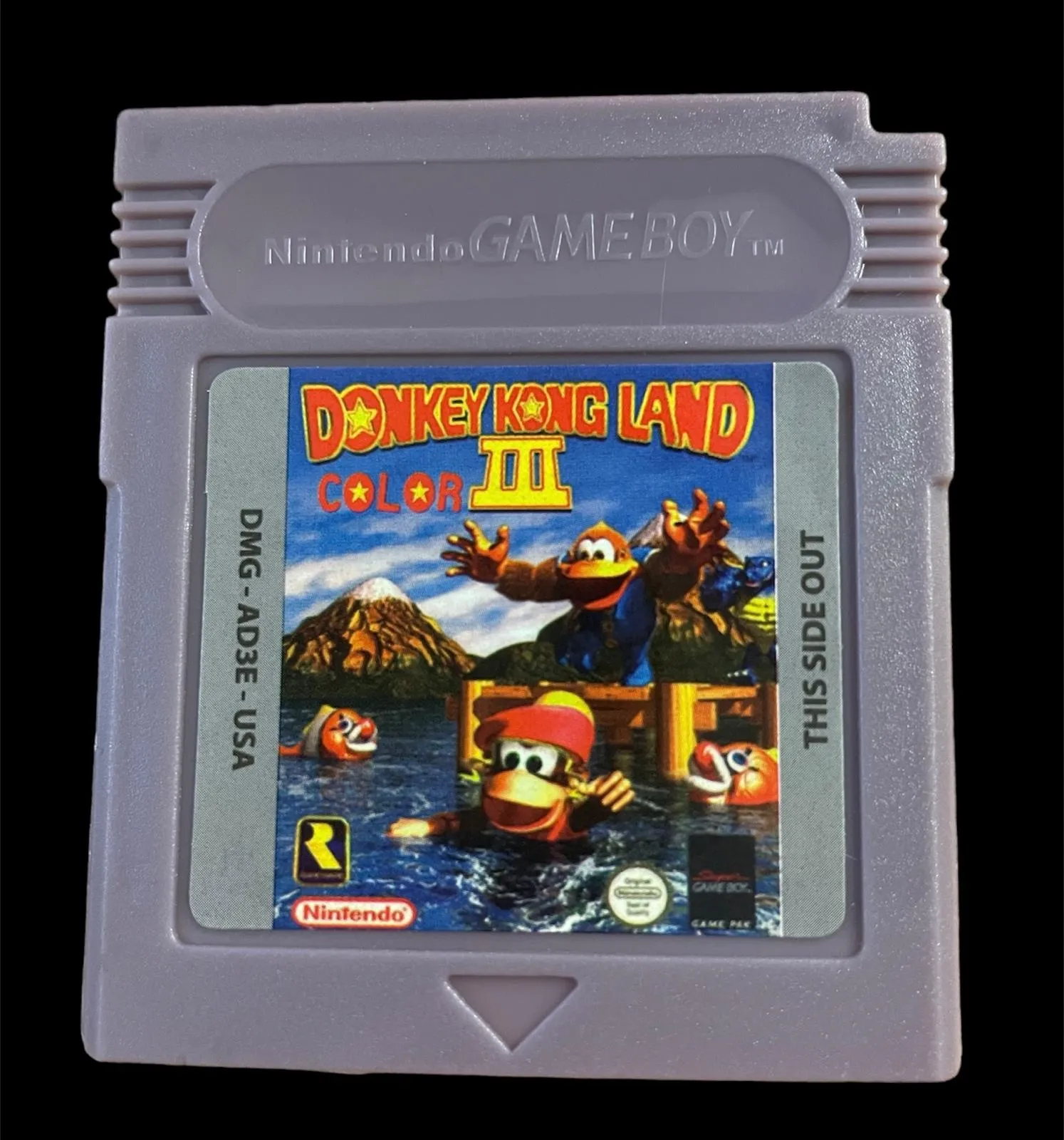
Asterix and Obelix is a side-scrolling action platformer released by Infogrames in 1995 for the Game Boy and Game Boy Color, based on the iconic French comic book series created by René Goscinny and Albert Uderzo. Players choose to control either the wily Asterix or the enormously strong Obelix as they fight their way across Europe to prove to Caesar that the indomitable Gauls cannot be contained. The levels draw directly from several beloved albums in the comic series, with locations including Britannia, Helvetia, Greece, Egypt, and Hispania.
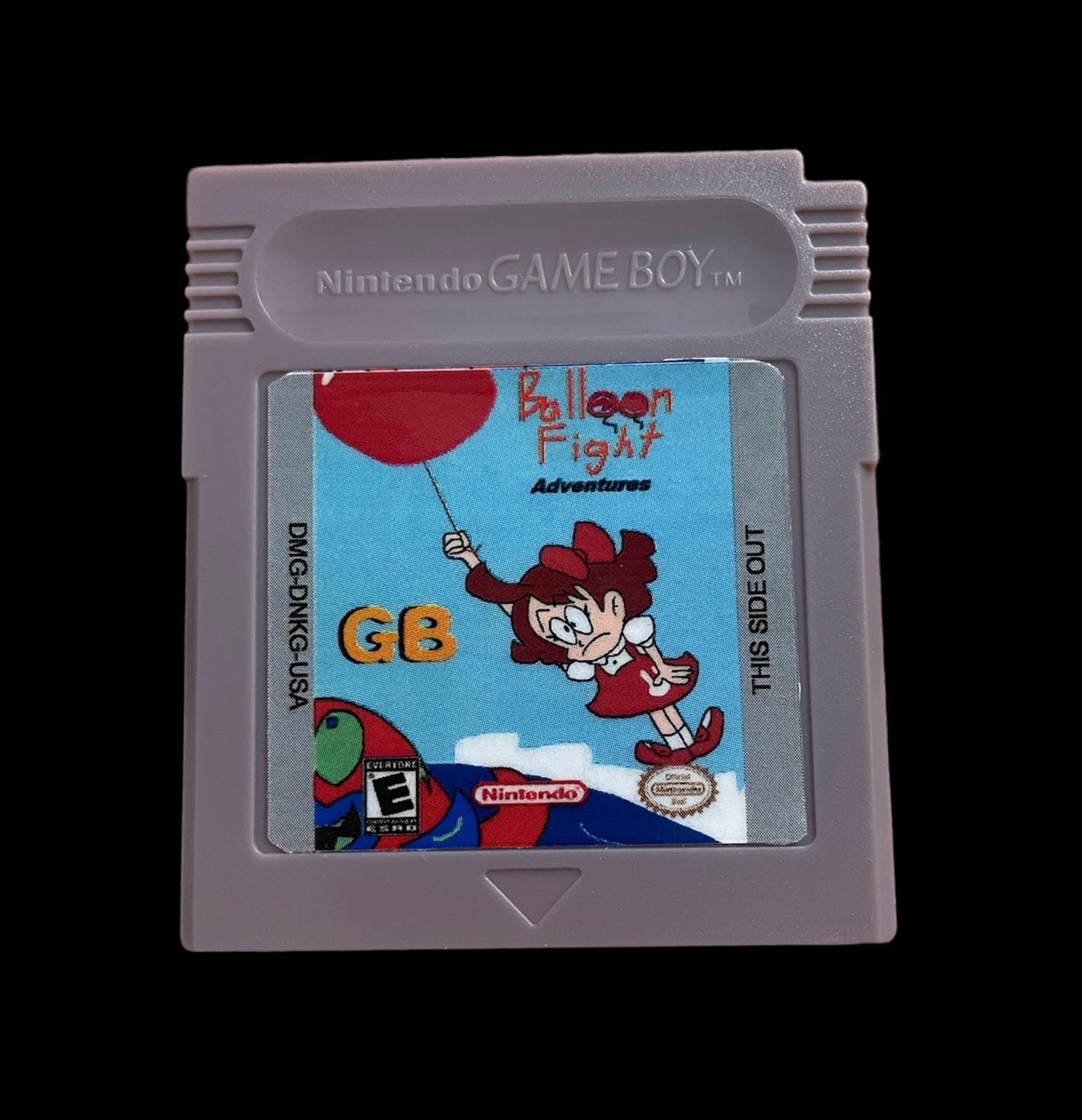
Balloon Fight GB is a delightful Game Boy Color remake of the classic Balloon Kid, the 1990 Game Boy game that itself was a portable evolution of the beloved 1984 NES arcade game Balloon Fight. This particular version was released exclusively in Japan in July 2000 through Nintendo's innovative Nintendo Power cartridge download service — a kiosk-based digital distribution system available at convenience stores that predated modern online game stores by many years. It was developed and published by Nintendo and features notably sharp, colourful sprites that show off the Game Boy Color hardware beautifully. The late president of Nintendo, Satoru Iwata, was involved in programming the original Balloon Fight for the NES, giving this family of games a special place in Nintendo history.
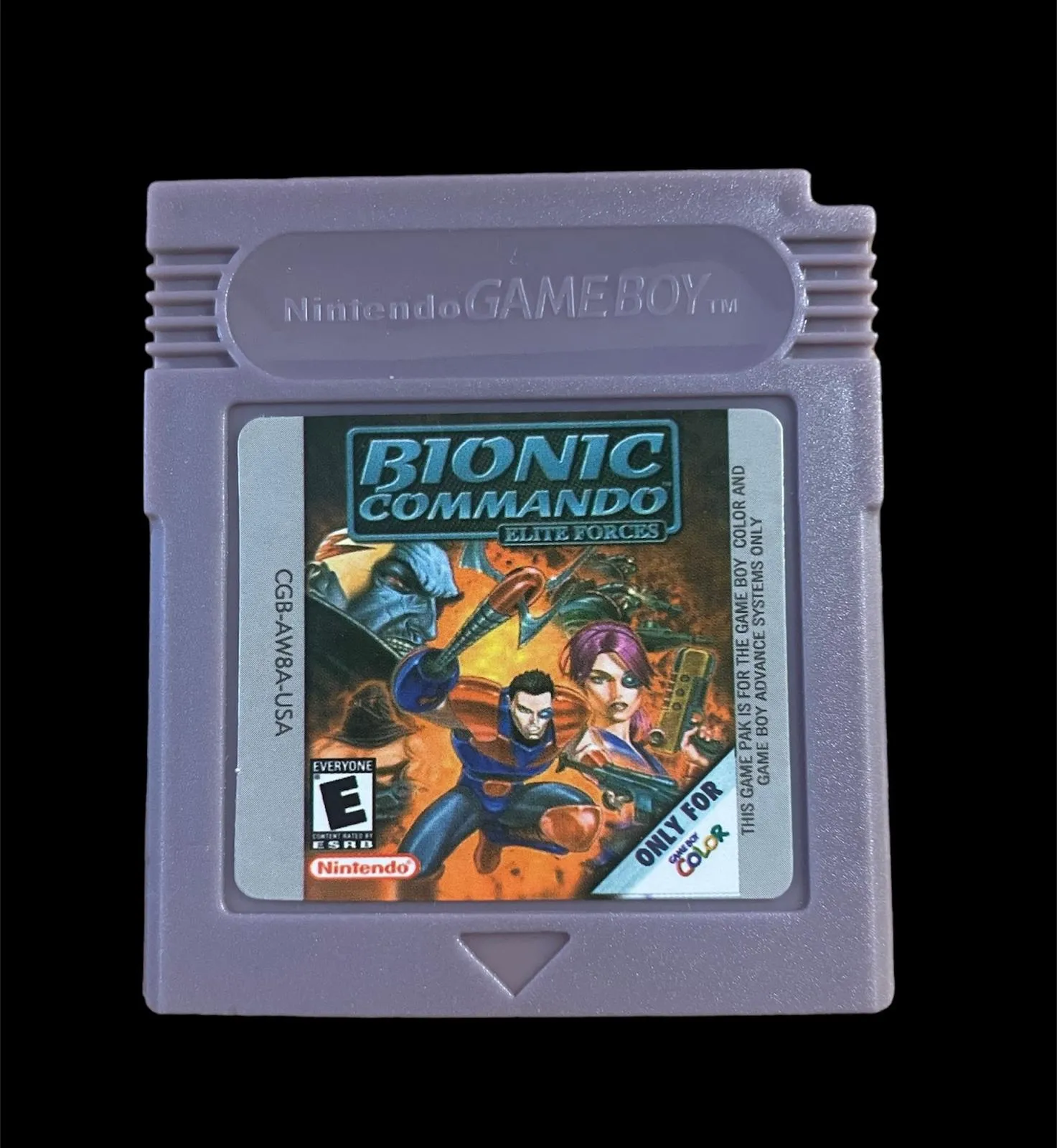
Bionic Commando: Elite Forces for the Game Boy Color is a 2000 platform game with a genuinely unusual pedigree. Developed by Nintendo Software Technology — a Nintendo first-party studio based in Redmond, Washington — it was actually the very first game that studio ever released, making it a notable milestone in Nintendo's internal development history. Published under licence from Capcom, the game is a sequel to the original Game Boy Bionic Commando and introduces two playable commandos, one male and one female, as they work to liberate the peaceful land of Karinia from the Avar army and its leader Arturus, who is plotting to activate the mysterious Albatross Project.
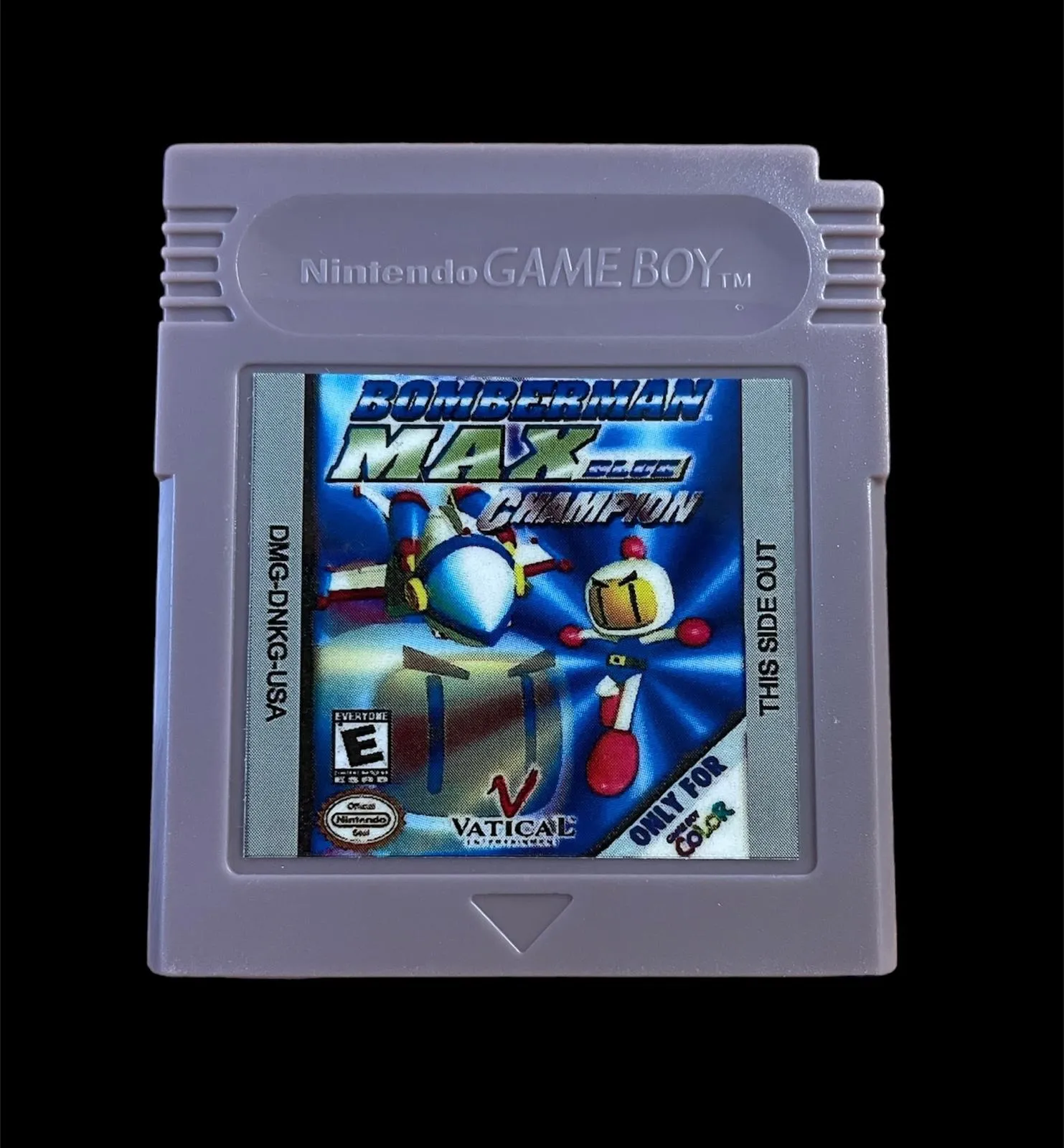
Bomberman Max: Blue Champion is one half of a dual-release Game Boy Color title from Hudson Soft, launched in 2000 as part of a clever two-version strategy clearly inspired by the success of the Pokemon series. While both Blue Champion and its companion Red Challenger deliver the same core experience — classic overhead Bomberman gameplay across eighty areas divided into five zones, each with a dozen levels — the two versions contain exclusive content that can only be fully experienced by linking up with a player of the opposite version via the Game Boy Color's infrared port. In Blue Champion you play as Bomberman himself, working through level objectives that range from defeating all enemies to surviving to the exit within a time limit.
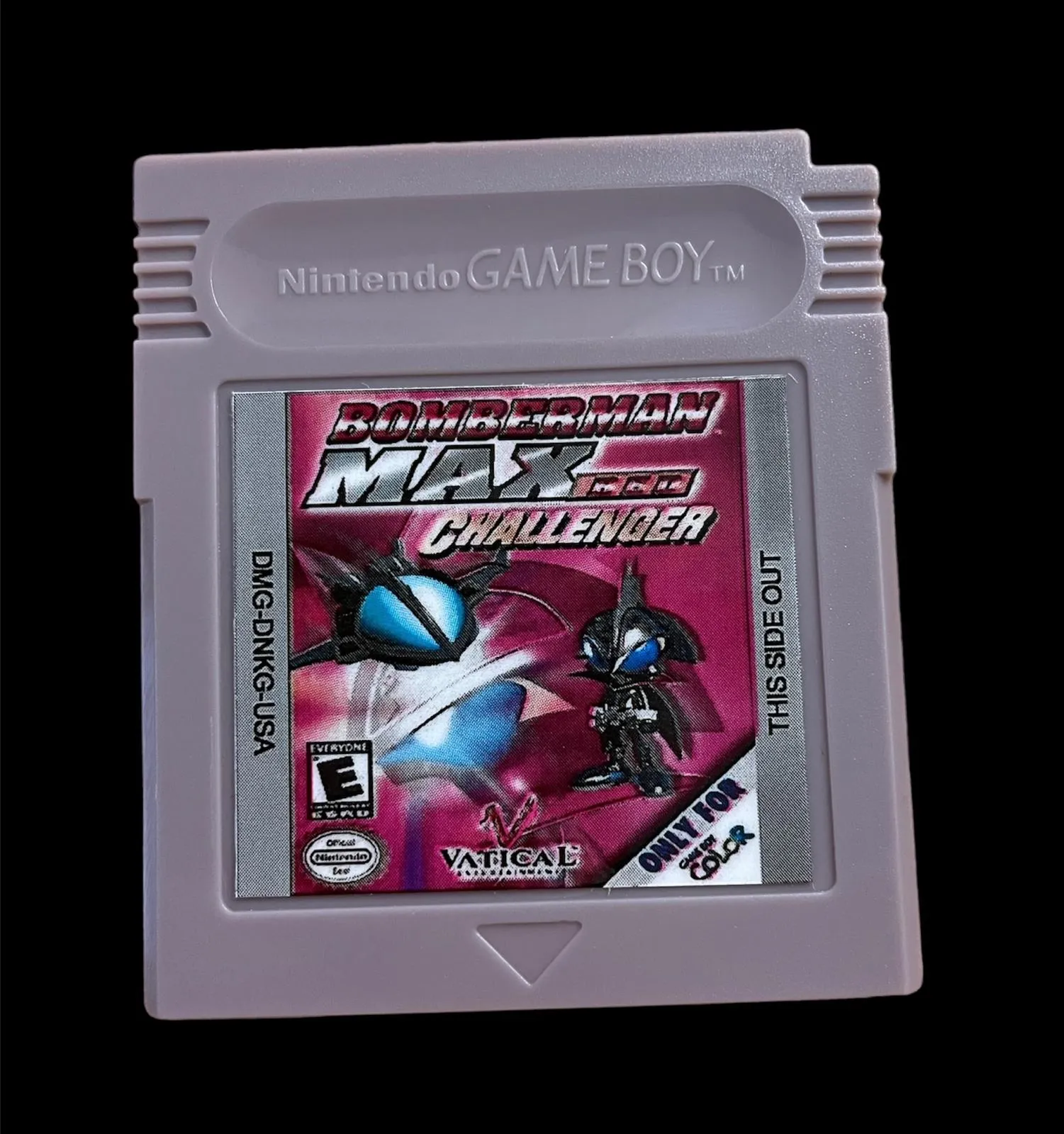
Bomberman Max: Red Challenger is one half of Hudson Soft's twin-version Game Boy Color release from 2000, the counterpart to the Blue Champion edition. In Red Challenger, players take on the role of Max — a brand new character making his franchise debut here — rather than the series' longstanding hero Bomberman. Despite sharing the same story, the two versions each have version-exclusive Charaboms to collect, encouraging link-up trading between players. The premise sends Max across five planets, each one overrun by mechanical creatures created by a rogue supercomputer called Brain that has corrupted the wildlife under its control. Dr. Ein dispatches both Bomberman and Max on a race to shut down Brain and rescue the Charaboms — small elemental creatures that serve as both companions and battle partners.
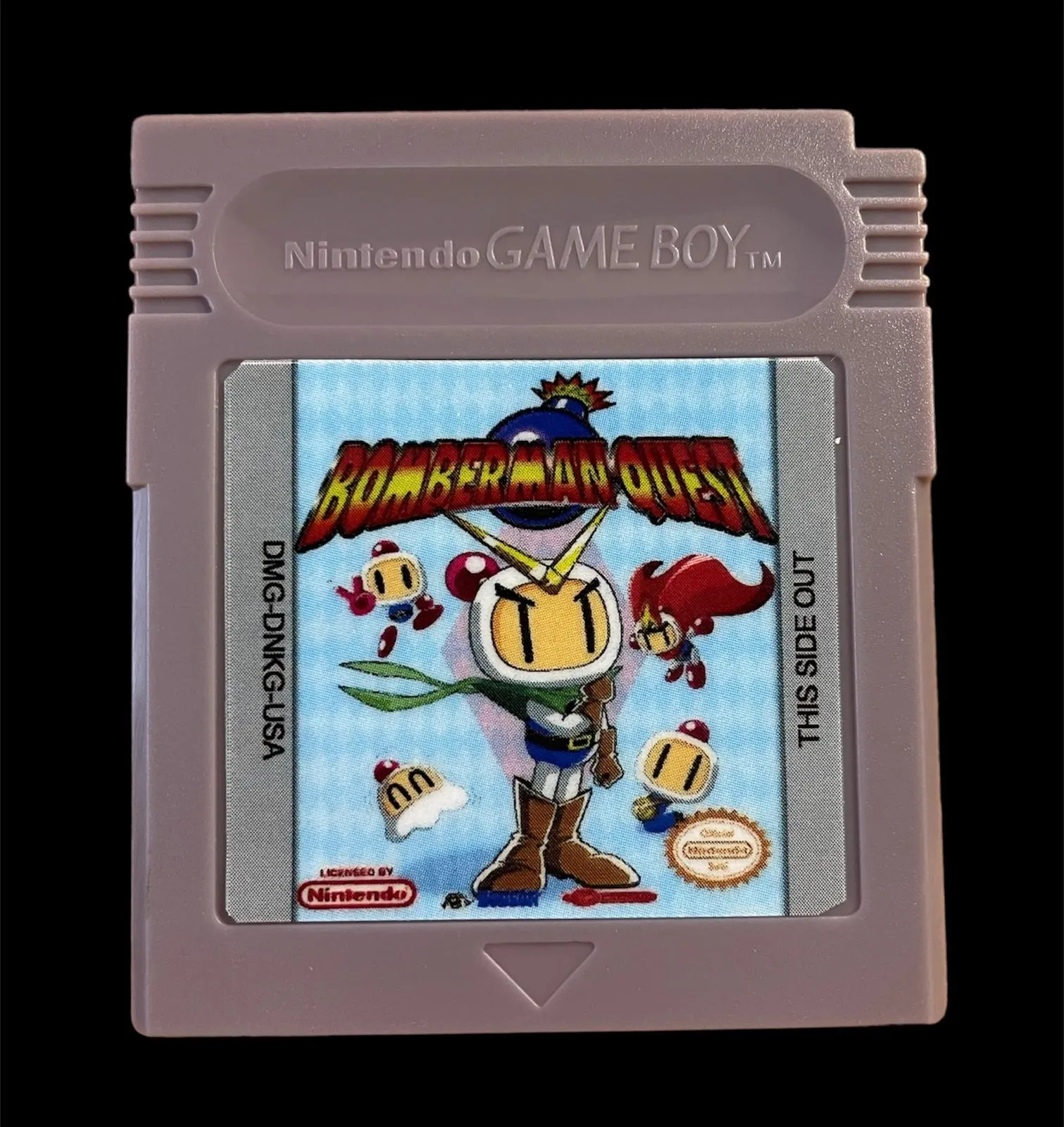
Bomberman Quest is a 1998 Game Boy Color title that takes the classic Bomberman formula in a refreshingly different direction, transforming it from a maze-based action game into a fully-fledged action RPG. Developed by Hudson Soft and published for the GBC, the game begins when Bomberman's shuttle is attacked by four mysterious lights that steal the vessel's four engines, forcing a crash landing on an unknown planet and releasing all the captured monsters Bomberman was transporting. The mission is to explore the planet's interconnected zones, recapture the escaped monsters, reclaim the engines from the four powerful Commanders, and make it home to Planet Bomber.
Cannon Fodder on the Game Boy Color is a port of Sensible Software's iconic 1993 strategy-action game, originally a smash hit on the Amiga and later ported across numerous platforms. The original game was a darkly comic military action title in which players commanded a squad of tiny, cheerfully named soldiers through increasingly brutal combat missions, with the graveyard at the base screen growing longer with every fallen comrade. It was celebrated for its tight, accessible gameplay, its irreverent sense of humour and its surprisingly pointed anti-war message — all wrapped in the infectiously catchy Jingle Bells-influenced theme tune. The Game Boy Color version arrived in 1999 and, by many accounts, produced one of the finest console ports of the game.
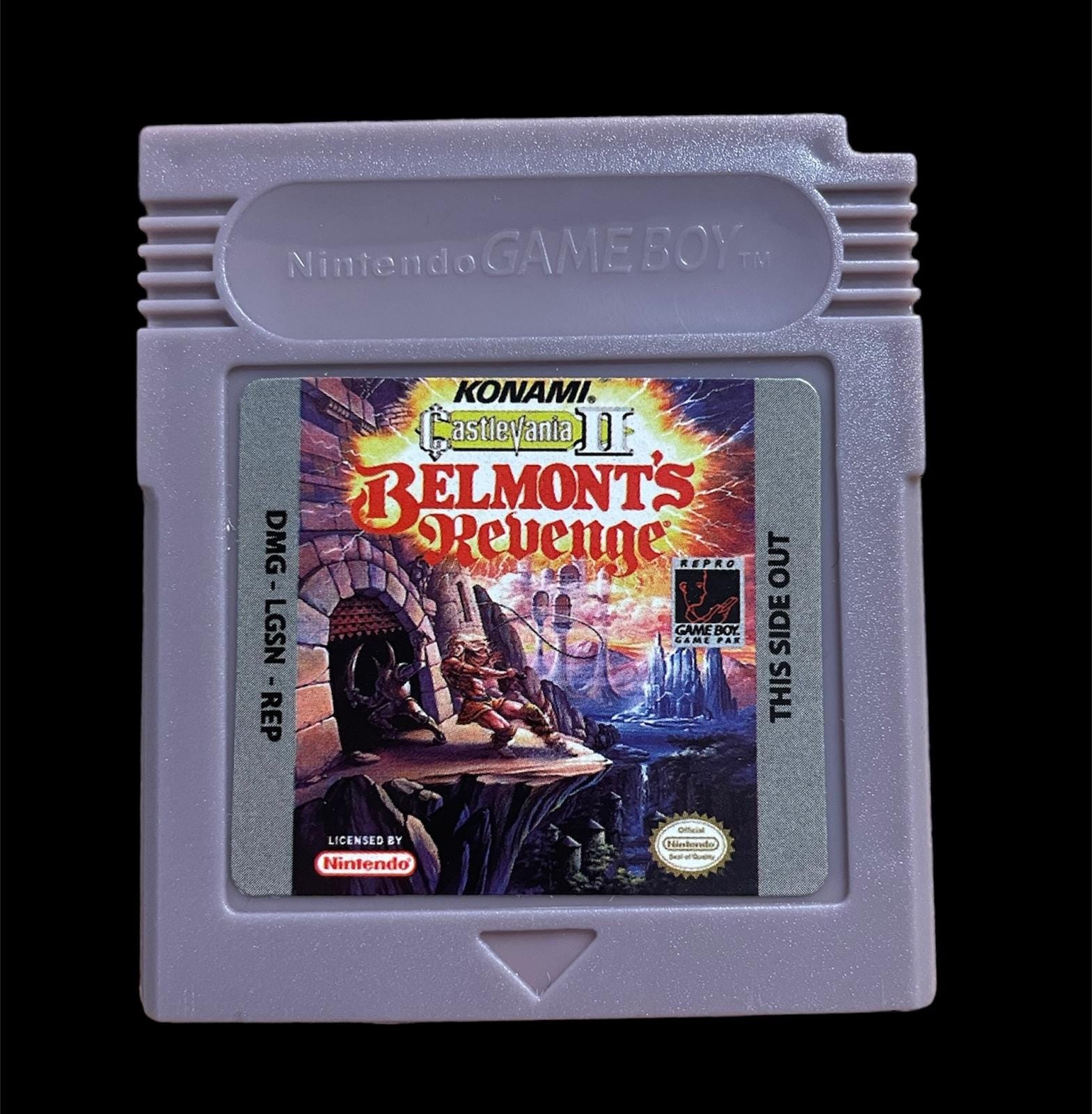
Castlevania II: Belmont's Revenge is widely regarded as the finest of the three Castlevania games released for the original Game Boy, and a clear high point of the handheld's action-platformer library. Published by Konami in 1991, it serves as a direct sequel to Castlevania: The Adventure and picks up fifteen years later when Christopher Belmont, having defeated Dracula once before, discovers that the Count has returned and kidnapped his own son Soleil at the young man's coming-of-age ceremony, transforming him into a vessel for Dracula's rebirth. Christopher must now storm four elemental castles before facing the rebuilt Dracula's fortress — and ultimately, his own corrupted son.
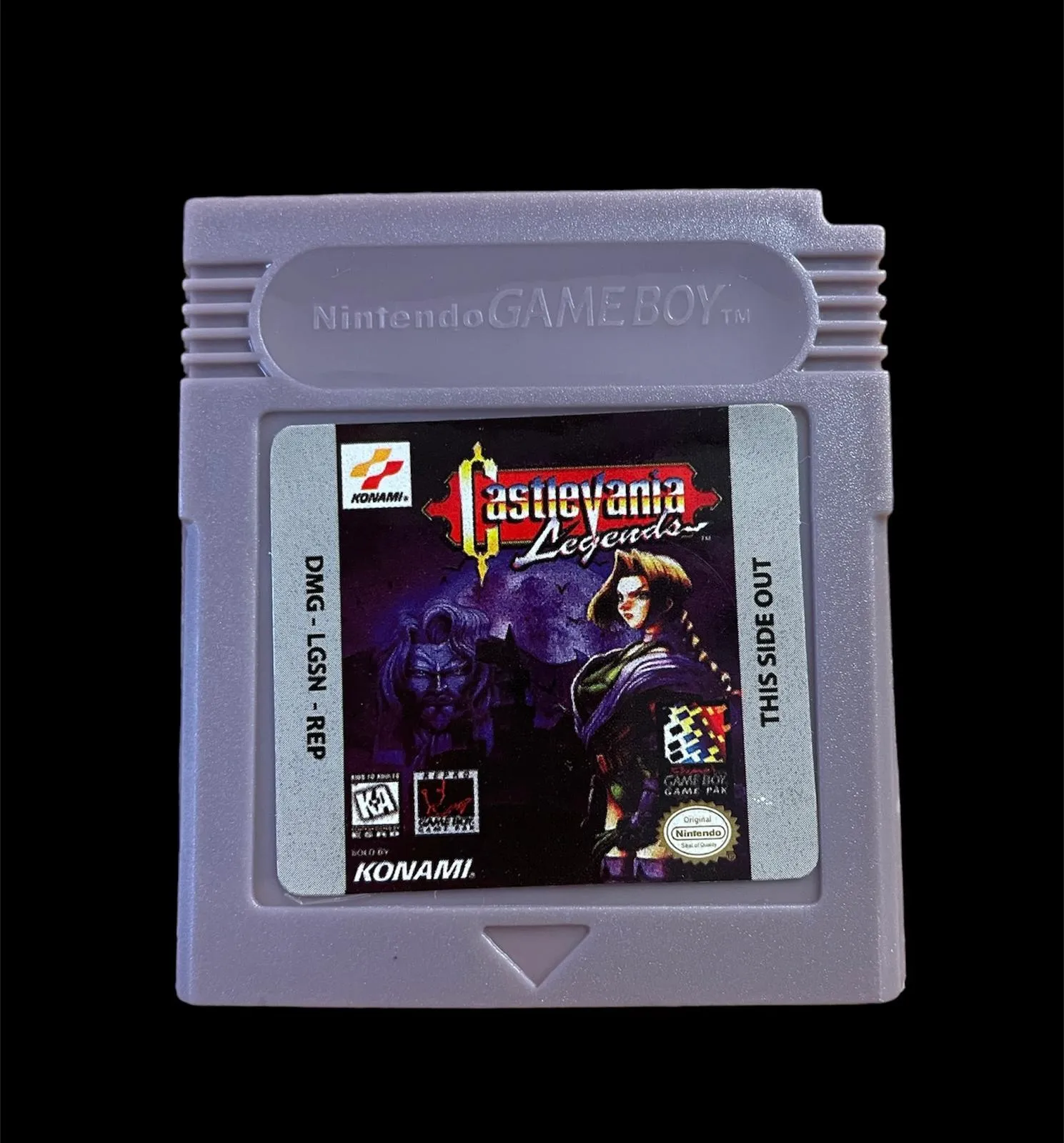
Castlevania Legends holds a unique place in gaming history as the third and final Castlevania title released for the original Game Boy, arriving in 1998. The game introduces Sonia Belmont, a vampire hunter who predates Simon Belmont in the family lineage and serves as the progenitor of the famous Belmont clan. Sonia is sent to confront a young Count Dracula in his castle, confronting the dark lord before the events of the mainline series — a story concept that made Castlevania Legends stand out as a distinctly unique entry in the chronology of the franchise at the time of its release.
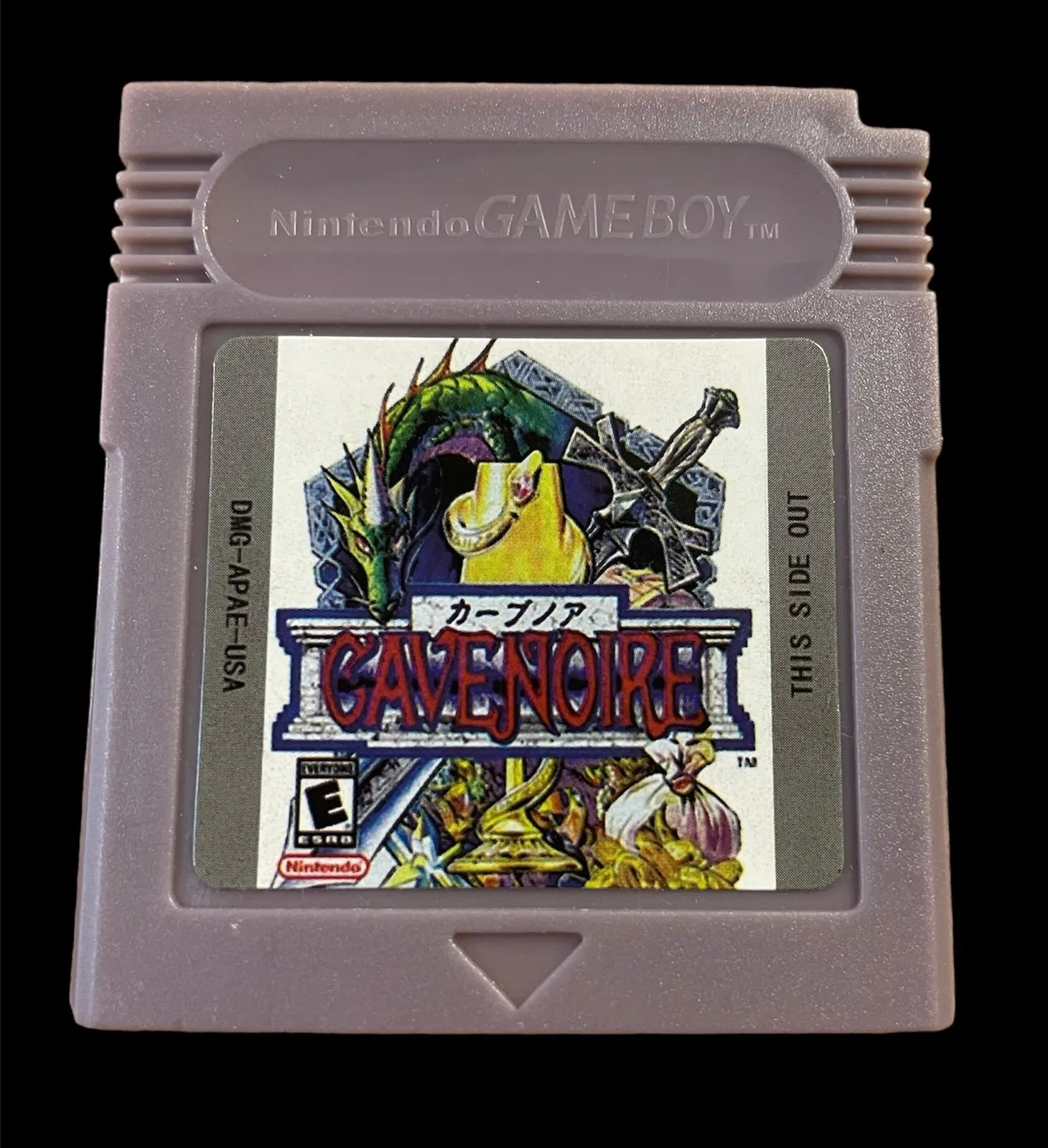
Cave Noire — the title translates from French as "dark cave" — is a pioneering roguelike game developed and published by Konami for the original Game Boy, released in Japan in April 1991. Never officially localised in the West, it holds a remarkable place in gaming history as one of the earliest console roguelike titles, predating the popular Mystery Dungeon series by over two and a half years. The game's structure is elegantly bite-sized: rather than one crushing mega-dungeon, you choose from four distinct quest types — slaying a set number of monsters, collecting gold, gathering orbs, or freeing caged fairies — each with ten escalating difficulty levels across a randomly generated dungeon. Death means starting the dungeon fresh, but because each run is short and the goal is concrete, the experience feels arcade-like and endlessly replayable rather than punishing and demoralising.